
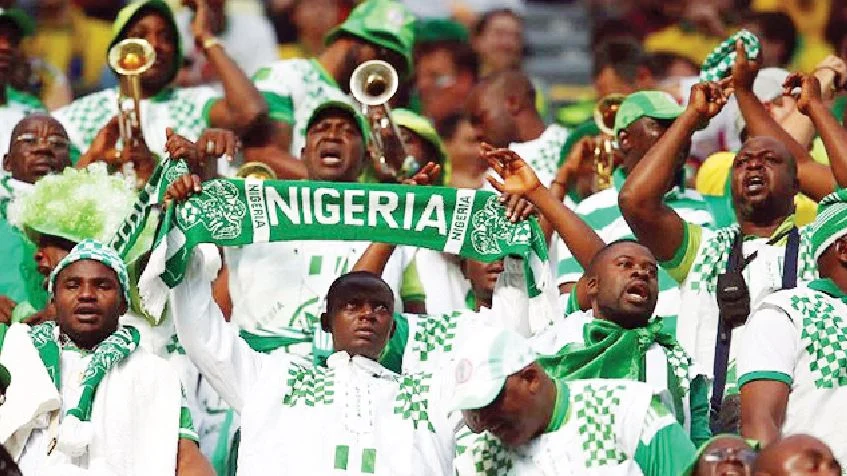
When the referee’s whistle first echoed across Qatar’s Lusail Stadium in 2022, Nigeria’s Super Eagles marched onto the pitch with a swagger that belied their underdog status. The green-and-white jerseys, the pulsating drums, the chants of “Naija, Naija!”—it was a moment of national pride, a fleeting illusion of glory that would soon vanish like the desert heat. Fast forward to June 2026, and the Super Eagles are nowhere to be seen. The World Cup is underway, but Nigeria’s absence looms larger than a missed penalty.
For the second consecutive tournament, Africa’s most populous nation has been left on the sidelines, a bitter pill for a country where football is more than a sport—it’s a lifeline. The disappointment isn’t just emotional; it’s economic. From Lagos to Kano, from Abuja’s bustling markets to the dusty corners of rural villages, the ripple effects of this exclusion are being felt in wallets, businesses, and the fragile psyche of a nation accustomed to footballing triumphs.
Where Did It Go Wrong? The Road to Qatar 2026’s Closed Doors
The path to failure was paved with good intentions—or so it seemed. Nigeria’s qualification campaign began with the kind of optimism that only comes when a new coach is appointed, a fresh tactical vision is promised, and the media is flooded with stories of “renewed hope.” Yet hope, as the saying goes, is not a strategy. The Super Eagles stumbled in their final qualifying matches, their dreams of a third consecutive World Cup berth shattered by a combination of defensive frailties, midfield misfires, and a cruel twist of fate in the form of a penalty shootout defeat.
Analysts point to a deeper malaise: a disconnect between the federation’s lofty ambitions and the reality on the pitch. “We talk about rebuilding, about youth development, about modern tactics,” said one Lagos-based sports commentator. “But when the whistle blows, it’s the same old story—players who can’t read the game, a defense that collapses under pressure, and a lack of cohesion that turns individual brilliance into collective failure.” The result? A nation left watching from the sidelines, its pride dented and its pocketbooks lighter.
The Financial Fallout: Who Pays the Price of Absence?
The economic toll of Nigeria’s World Cup absence is as real as the disappointment in the stands. For local businesses, the World Cup is more than a sporting event—it’s a four-year commercial bonanza. From street vendors selling roasted plantains and cold drinks to betting shops packed with eager punters, the tournament is a lifeline. In 2022, Nigeria’s betting industry alone raked in over $500 million during the World Cup, with fans wagering on everything from match outcomes to player performances. This year? Silence. The empty seats in betting shops and the quiet streets where TV screens would normally blare are a stark reminder of what’s been lost.
Small businesses aren’t the only ones feeling the pinch. Airlines like Air Peace and Asky, which had marketed special World Cup packages to fans hoping to travel to the U.S. for the tournament, are now left with unsold seats and refund requests. Hotels in major cities, from Accra to Johannesburg, had anticipated a surge in Nigerian tourists—football pilgrims who would flock to fan zones, bars, and viewing centers. Instead, they’re left with empty rooms and canceled reservations. “We had planned for a 30% increase in bookings during the World Cup,” said a manager at a Lagos hotel. “Now, we’re just hoping for a miracle.”
The pain extends beyond Nigeria’s borders. In neighboring Benin Republic, where many Nigerians cross daily for trade, the absence of the Super Eagles has dampened the festive spirit. Markets that would have been buzzing with football merchandise—jerseys, scarves, and flags—are eerily quiet. “People come here to buy Super Eagles jerseys, to celebrate together,” said a Benin-based trader. “Without them, it’s just another ordinary day.”
Fans Speak: From Devotion to Despair
In the heart of Lagos, at the bustling Balogun Market, a group of young men huddle around a small radio, their faces etched with frustration. “We saved for months to buy tickets, to travel to the U.S.,” said Chinedu, a 24-year-old university student. “Now, we’re stuck here, watching other countries celebrate while we’re left with nothing but memories of 2018.” His friend, Ade, nods in agreement. “Football is our religion. When the Eagles lose, we lose. It’s not just about the game—it’s about who we are.”
The emotional toll is perhaps most visible in the fan clubs that dot the country. The Lagos-based Eagles Supporters Club, which had organized watch parties and fundraisers for previous tournaments, is quiet this time around. “We had plans to charter buses to the U.S., to organize street parties,” said the club’s president, Emeka Okafor. “But without the team, there’s no point. We’re just waiting for the next qualifying campaign to begin.”
Social media has amplified the frustration. Hashtags like #WhereAreTheEagles and #WorldCupWithoutNigeria trended for days, with fans venting their anger at the federation, the coach, and even the players. “We deserve better,” wrote one Twitter user. “We pay our taxes, we buy jerseys, we cheer until our voices are hoarse. What do we get in return? Another cycle of disappointment.”
The Federation’s Dilemma: Rebuilding Trust in Turbulent Times
For the Nigeria Football Federation (NFF), the fallout from this World Cup absence is more than a sporting failure—it’s a crisis of credibility. Trust in the federation has been eroding for years, with allegations of corruption, poor management, and a revolving door of coaches doing little to inspire confidence. The latest disappointment only deepens the skepticism among fans and sponsors alike.
“The NFF needs to do more than issue press releases,” said a sports analyst based in Abuja. “They need to show accountability. Where is the money going? Why can’t we develop a consistent youth program? Why do we keep repeating the same mistakes?” The questions are mounting, and the answers are in short supply.
In the corridors of power, there are whispers of change. Senator Bamidele Opeyemi, Chairman of the Senate Committee on Sports, has called for a comprehensive review of the federation’s operations. “We cannot afford to keep repeating the same cycle of failure,” he said in a recent statement. “The time for excuses is over. We need action.” Whether this translates into tangible reforms remains to be seen, but the pressure is on.
Meanwhile, the NFF has announced a “reset” plan, promising to overhaul the national team’s structure, invest in grassroots football, and appoint a new technical director. But for many Nigerians, these words ring hollow. “We’ve heard it all before,” said a Lagos-based journalist. “What we need is proof, not promises.”
Looking Ahead: The Long Road to Redemption
The question now is whether Nigeria can rise from the ashes of this disappointment. The road to redemption will be long and arduous, but not impossible. The first step? A ruthless assessment of what went wrong. Was it the players? The coaching staff? The federation’s leadership? Or a combination of all three?
For the Super Eagles to return stronger, they’ll need more than just talent—they’ll need stability. A clear pathway from youth development to the senior team, a coaching staff that understands the modern game, and a federation that prioritizes performance over politics. It’s a tall order, but not an insurmountable one.
In the meantime, Nigeria’s football fans will have to content themselves with other distractions. The Africa Cup of Nations is just around the corner, offering a glimmer of hope. And for those who can’t wait, there’s always the domestic league—the Nigeria Professional Football League—to keep the passion alive. But make no mistake: the World Cup is the pinnacle, and missing out twice in a row is a wound that won’t heal overnight.
As the tournament unfolds in the U.S., with Nigeria’s absence casting a long shadow, one thing is clear: the Super Eagles’ journey to redemption begins now. Whether it ends in glory or another cycle of disappointment depends on the choices made today. For a nation that lives and breathes football, there’s no other option but to fight back.
The whistle has blown. The game has changed. Will Nigeria answer the call?
Copyright notice: Images and source material are credited to their respective owners/source (original source where available). If you are the copyright owner and want an image or content removed, please contact us at topix.news/contact-us; we will review and remove it promptly.

Topix News Desk is a digital editorial team focused on delivering clear, timely, and useful news coverage for readers worldwide. Our reporting highlights African news with global context, including politics, business, economy, technology, health, sports, entertainment, travel, and culture. We aim to publish accessible, well-structured, and informative articles that help readers understand the stories shaping Africa and the world.