

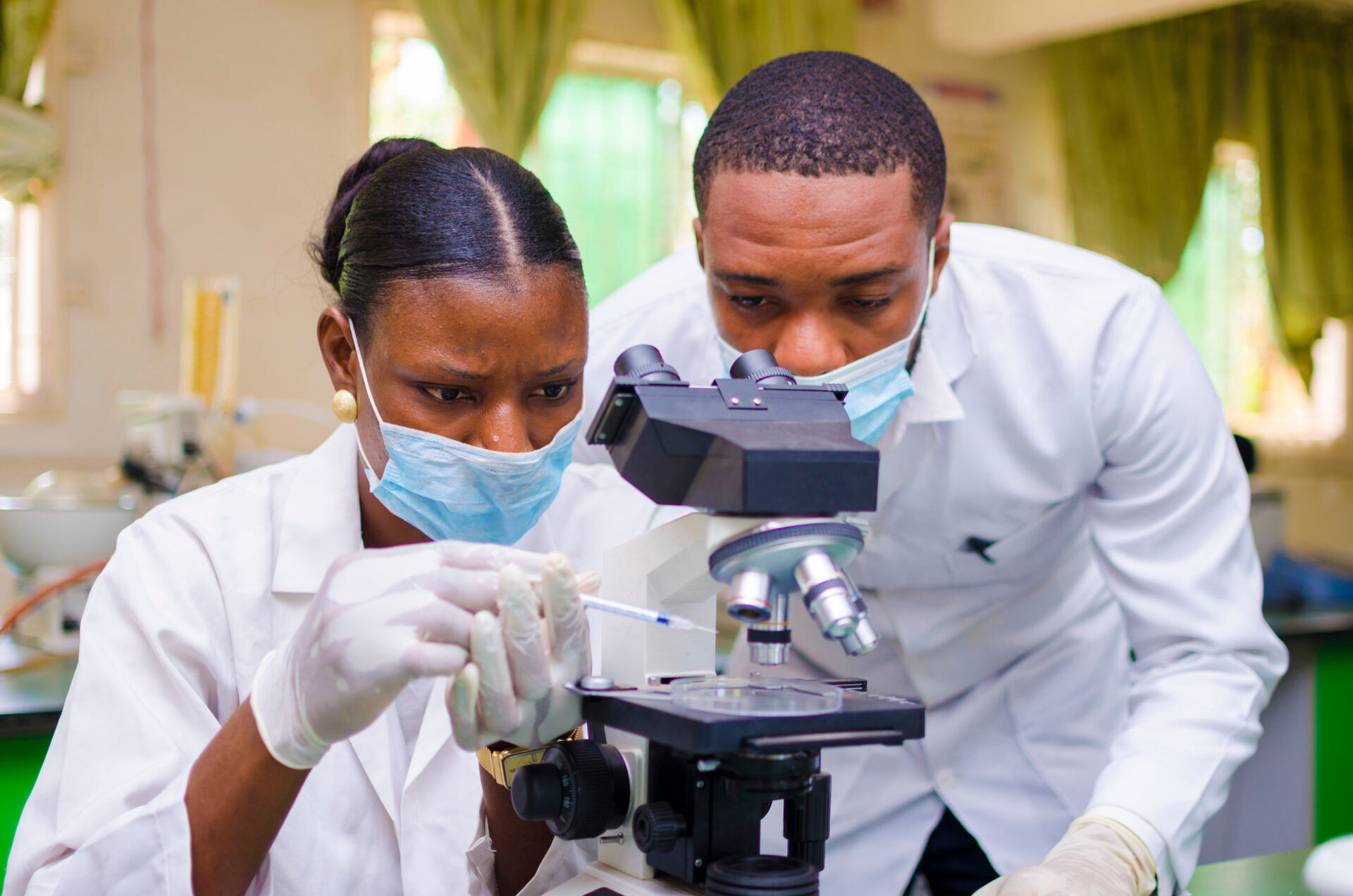
Africa is making significant strides in fortifying its health security infrastructure, yet the path forward demands unwavering commitment, sustained investment, and strategic foresight to ensure resilience against future health crises. Over the past decade, the continent has demonstrated remarkable progress in strengthening its healthcare systems, pandemic preparedness, and disease surveillance networks. However, the fragility of these gains underscores the necessity for continuous, well-coordinated efforts to mitigate emerging threats and safeguard public health.
A Decade of Progress in Health Security
The COVID-19 pandemic exposed critical vulnerabilities in Africa’s health systems, yet it also accelerated the adoption of innovative solutions and regional collaboration. Countries across the continent have invested in expanding laboratory capacities, improving data-sharing mechanisms, and enhancing cross-border health surveillance. For instance, the African Union’s (AU) Africa Centres for Disease Control and Prevention (Africa CDC) has played a pivotal role in coordinating responses to outbreaks, including Ebola, Lassa fever, and monkeypox. The establishment of the Pandemic Preparedness and Response Fund and the African Vaccine Acquisition Trust (AVAT) are testaments to Africa’s growing self-reliance in health emergencies.
Additionally, the African Union’s Continental Health Security Strategy (CHSS) outlines a comprehensive framework to strengthen health security through early detection, rapid response, and sustainable financing. The strategy emphasizes one health approaches, integrating human, animal, and environmental health to prevent zoonotic spillovers—a critical factor in emerging infectious diseases.
Key Achievements and Lessons Learned
-
Enhanced Surveillance and Early Warning Systems
Africa has significantly improved its disease surveillance networks, with countries like South Africa, Rwanda, and Senegal deploying real-time monitoring systems. The African Field Epidemiology Network (AFENET) has trained thousands of epidemiologists and public health professionals, enabling faster detection and response to outbreaks. However, challenges remain in rural and underserved areas, where infrastructure gaps persist. -
Strengthened Regional Cooperation
The African Union’s Emergency Medical Reserve (EMR) and the African Union’s Health Emergency Preparedness and Response (HEPR) program have facilitated the sharing of medical supplies, expertise, and resources across borders. The ECOWAS Regional Centre for Specialised Training and Research in Epidemiology and Public Health (ECOWAS-CRESP) serves as a regional hub for capacity building, demonstrating the power of continental collaboration. -
Accelerated Vaccine Development and Distribution
Africa’s response to COVID-19, including the COVAX Facility and AVAT, showcased the continent’s ability to secure vaccines at scale. While challenges such as supply chain disruptions and vaccine hesitancy persisted, these initiatives proved that Africa can navigate global health crises with strategic partnerships and local leadership. -
Investment in Health Workforce and Infrastructure
Countries like Ethiopia, Ghana, and Kenya have expanded their health workforce through training programs and digital health initiatives. The mHealth Alliance and WHO’s Digital Health Strategy for Africa have integrated mobile technology into healthcare delivery, improving access to diagnostics, telemedicine, and health information.
The Critical Role of Sustained Investment
Despite these advancements, Africa’s health security remains vulnerable due to limited funding, political instability, and climate-related disruptions. The Global Fund to Fight AIDS, Tuberculosis, and Malaria and Gavi, the Vaccine Alliance have been instrumental in providing financial support, but long-term sustainability requires domestic funding, international partnerships, and innovative financing mechanisms.
-
Domestic Resource Mobilization
Many African nations rely heavily on external aid, which can be inconsistent. Strengthening domestic health budgets and tax reforms are essential to ensure predictable funding for health security programs. Countries like Rwanda and Botswana have demonstrated that progressive taxation and public-private partnerships can generate sustainable revenue for healthcare. -
International Partnerships and Aid Reforms
Donor countries and global health organizations must align their funding strategies with Africa’s priorities. The WHO’s International Health Regulations (IHR) monitoring framework should be adapted to reflect Africa’s unique challenges, including conflict zones, climate change, and urbanization-driven disease spread. -
Climate-Resilient Health Systems
Rising temperatures, extreme weather events, and vector-borne diseases pose growing threats to Africa’s health security. Investments in climate-adaptive infrastructure, early warning systems, and vector control are critical. The African Climate Risk Framework and African Development Bank’s Climate Investment Funds are steps in the right direction but require expanded funding and implementation. -
Strengthening Health Workforce and Innovation
The brain drain of skilled healthcare workers remains a significant obstacle. Programs like the African Union’s Health Workforce Support Mechanism and partnerships with global universities can help retain talent and foster innovation. Additionally, digital health startups and AI-driven diagnostics offer promising solutions to improve efficiency and accuracy in disease detection.
Challenges and Future Directions
While progress is evident, several challenges threaten Africa’s health security:
- Political Instability and Conflict: Wars and displacements disrupt healthcare services, as seen in Sudan, South Sudan, and the Sahel region. Sustainable peace and security are essential for long-term health system stability.
- Economic Constraints: Many African nations face debt burdens and economic instability, limiting their ability to invest in health infrastructure. Debt restructuring and economic diversification are necessary to free up resources for health security.
- Antimicrobial Resistance (AMR): The overuse of antibiotics is accelerating AMR, a silent but deadly threat. Strengthening antibiotic stewardship programs and investing in alternative treatments are urgent priorities.
- Urbanization and Informal Settlements: Rapid urban growth has led to overcrowded slums, poor sanitation, and disease outbreaks. Slum upgrading programs and integrated urban health planning must be prioritized.
A Call for Collective Action
Africa’s health security is not just a continental issue but a global responsibility. The lessons learned from COVID-19—from vaccine inequity to the importance of regional solidarity—must shape future strategies. Sustained investment, political will, and innovative solutions are essential to build a resilient health security framework.
-
Strengthening Regional Health Governance
The African Union’s Health Security Council should be empowered with binding authority to enforce health regulations and allocate resources efficiently. Cross-border health agreements must be formalized to ensure rapid response to transnational threats. -
Expanding Public-Private Partnerships
Private sector involvement, including pharmaceutical companies, tech firms, and philanthropic organizations, can accelerate innovation and resource mobilization. Models like the Coalition for Epidemic Preparedness Innovations (CEPI) should be replicated across Africa. -
Empowering Communities
Community-based health workers, traditional healers, and local leaders play a crucial role in disease prevention and response. Capacity-building programs and community engagement initiatives must be scaled up to ensure inclusive health security. -
Global Solidarity and Fair Funding
The world must recognize that health security is a shared responsibility. Debt relief, technology transfer, and equitable access to medical countermeasures should be prioritized in global health agreements. Initiatives like the WHO’s Pandemic Fund must be adequately funded to support Africa’s preparedness efforts.
Conclusion
Africa’s journey toward health security is marked by progress, resilience, and unmet challenges. While the continent has made strides in surveillance, vaccine access, and regional cooperation, sustained investment, political commitment, and global partnership are indispensable to ensure long-term success. The time to act is now—before the next pandemic or health crisis exposes the fragility of Africa’s gains. By learning from past experiences and embracing innovative solutions, Africa can build a healthier, more secure future for its people.
