

Egypt’s Higher Education and Scientific Research Ministries Forge New Frontiers in International Cooperation
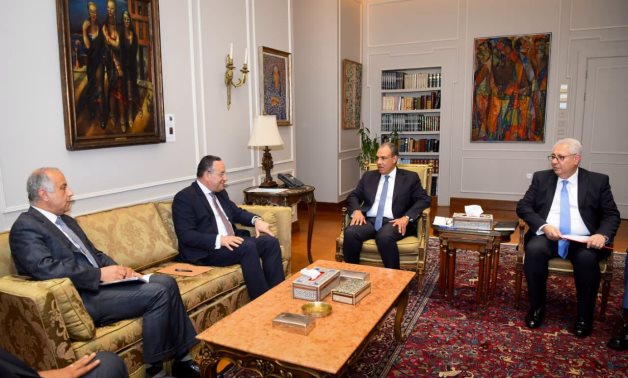
CAIRO – June 30, 2026 — In a landmark strategic meeting, Egypt’s Minister of Foreign Affairs, International Cooperation, and Egyptians Abroad, Badr Abdelatty, hosted Minister of Higher Education and Scientific Research, Dr. Abdel Aziz Qansouh, to chart a bold new course for cross-ministerial collaboration in higher education, scientific research, and global academic diplomacy. The discussions centered on expanding Egypt’s influence in international academia, fostering student and researcher mobility, and strengthening institutional partnerships with nations across the globe.
The high-level dialogue, held at the Ministry of Foreign Affairs headquarters, marked a pivotal step in unifying Egypt’s diplomatic and academic efforts to position the country as a regional and continental leader in knowledge exchange. Both ministers emphasized the need for streamlined coordination between their respective ministries to accelerate Egypt’s scientific and educational advancements while reinforcing its regional and global standing.
A Unified Vision for Global Academic Influence
The meeting delved into mechanisms to enhance synergy between the Ministry of Foreign Affairs and the Ministry of Higher Education and Scientific Research, ensuring that Egypt’s diplomatic missions, embassies, and cultural offices play an active role in promoting academic and scientific cooperation. Abdelatty underscored the critical importance of these diplomatic channels in facilitating student exchanges, research collaborations, and the internationalization of Egyptian universities.
Minister Badr Abdelatty and Minister Dr. Abdel Aziz Qansouh during their strategic discussion on higher education and scientific research cooperation.
He highlighted that by leveraging Egypt’s extensive network of embassies and consulates, the country can attract a larger number of international students, while simultaneously showcasing the cutting-edge research and academic excellence of its universities. This strategic approach aims to solidify Egypt’s reputation as a premier destination for higher education, particularly in Africa and the Middle East.
Empowering Egyptian Students and Researchers Abroad
A key focus of the dialogue was supporting Egyptian students and researchers studying overseas. The ministers explored enhanced coordination mechanisms between Egyptian diplomatic missions and the Ministry of Higher Education to ensure that students and researchers abroad receive comprehensive support, including visa facilitation, academic guidance, and integration assistance.
Egyptian students and researchers participating in international exchange programs—key beneficiaries of strengthened diplomatic-academic collaboration.
The discussion also emphasized the importance of harnessing the expertise of Egyptian scholars abroad to contribute to national development priorities. By fostering stronger ties with host institutions, Egypt can repatriate knowledge and innovation, ensuring that its global talent pool remains engaged and aligned with national goals.
Expanding Africa’s Human Capital Through Scholarly Exchange
One of the most transformative aspects of the meeting was the focus on capacity-building initiatives across Africa. The ministers outlined a comprehensive strategy to expand scholarship programs, research partnerships, and institutional collaborations between Egyptian universities and their African counterparts.
A collaborative research project between Egyptian and African universities, symbolizing Egypt’s commitment to continental development.
Dr. Qansouh emphasized that these efforts align with Egypt’s African Renaissance vision, aiming to strengthen human resource development across the continent. By investing in African students and researchers, Egypt seeks to foster a new generation of leaders who can drive economic growth, technological innovation, and social progress in Africa.
Key initiatives include:
– Expanded scholarship programs for African students to study in Egypt.
– Joint research projects addressing regional challenges such as climate change, healthcare, and sustainable development.
– Capacity-building workshops to enhance academic and research infrastructure in African universities.
These measures are expected to reinforce Egypt’s role as a catalyst for African development, while also strengthening cultural and academic ties between the two regions.
Strengthening Institutional Coordination for Global Impact
At the conclusion of the meeting, both ministers reiterated the urgency of maintaining close institutional coordination between their ministries. They agreed that seamless collaboration would enable Egypt to:
– Maximize the use of diplomatic channels to advance higher education and scientific research objectives.
– Promote the internationalization of Egyptian universities, making them more competitive on the global stage.
– Enhance Egypt’s scientific reputation, ensuring its research institutions are recognized as leaders in innovation and discovery.
A visual representation of Egypt’s expanding network of international academic partnerships.
Abdelatty noted that by uniting diplomatic and academic efforts, Egypt can accelerate its transition into a knowledge-based economy, while simultaneously positioning itself as a bridge between Africa and the world.
A Roadmap for the Future: Key Takeaways from the Dialogue
The strategic discussions yielded several actionable outcomes, including:
1. Enhanced Diplomatic Support for Academic Mobility – Egyptian embassies will actively promote study-abroad opportunities and facilitate research collaborations with global institutions.
2. Strengthened African Academic Partnerships – A dedicated task force will be established to coordinate scholarship programs, joint research, and institutional exchanges with African universities.
3. Improved Support for Egyptian Talent Abroad – Diplomatic missions will provide tailored assistance to Egyptian students and researchers, ensuring they contribute effectively to Egypt’s development agenda.
4. Global Recognition of Egyptian Research – The ministries will collaborate on international research funding opportunities, publication partnerships, and academic conferences to elevate Egypt’s scientific profile.
 A student from an African nation participating in a research program at an Egyptian university, symbolizing the continent’s growing academic ties with Egypt.
Dr. Qansouh concluded the meeting by stating:
“This collaboration marks a new era in Egypt’s higher education and scientific research strategy. By uniting our diplomatic and academic efforts, we can transform Egypt into a global hub for innovation, learning, and development, while empowering Africa and the world with knowledge and expertise.”
Looking Ahead: Egypt’s Academic Ambitions on the Global Stage
The meeting between Minister Abdelatty and Minister Qansouh signals a bold new chapter in Egypt’s international academic diplomacy. As the country expands its research infrastructure, strengthens partnerships, and attracts global talent, it is poised to become a leading voice in the global education and scientific communities.
A futuristic depiction of Egypt’s evolving role as a global academic and research leader.
With strategic coordination between its foreign policy and higher education sectors, Egypt is not only enhancing its own capabilities but also playing a pivotal role in shaping the future of education and innovation in Africa and beyond.
