

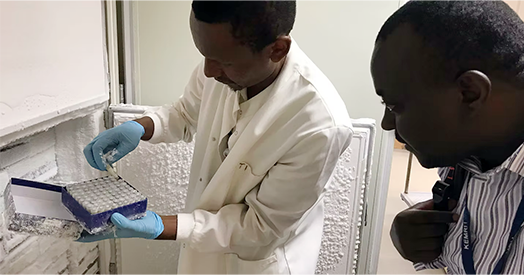
A landmark study known as NeuroDev has uncovered previously undocumented genetic variations linked to neurodevelopmental conditions, including autism and related disorders, in children from Africa. The research, published as a preprint, represents a pivotal advancement in understanding the genetic underpinnings of neurodevelopmental conditions, particularly in populations that have been historically underrepresented in genetic databases.
A New Frontier in Genetic Research
The NeuroDev study focuses on participants from families in South Africa and Kenya, regions where neurodevelopmental conditions such as autism, intellectual disabilities, and related disorders are prevalent but poorly understood from a genetic perspective. By analyzing genetic data from these populations, researchers have identified over 30 novel genes that may play a role in neurodevelopmental disorders, offering critical insights that were previously inaccessible.
The Critical Need for Genetic Diversity in Research
One of the most significant challenges in genetic research has been the overrepresentation of European ancestry in clinical databases. This bias has led to a limited understanding of how genetic variations in other populations—particularly those in Africa, which boasts the most genetically diverse population on Earth—contribute to disease risk and development.
Elise Robinson, an investigator at the Broad Institute of MIT and Harvard and a key contributor to the NeuroDev study, emphasizes the importance of this diversity:
“There is a substantial amount of previously unseen genetic variation in the NeuroDev cohort. Including such variations in clinical databases could significantly improve health outcomes for individuals with African ancestry, many of whom have been overlooked in traditional genetic research.”
Expanding the Genetic Landscape of Neurodevelopmental Disorders
Neurodevelopmental conditions are complex and influenced by a combination of genetic, environmental, and epigenetic factors. While research in Western populations has identified several key genes associated with autism and related disorders, these findings may not fully apply to other ethnic groups due to genetic heterogeneity.
Maria Chahrour, an associate professor of neuroscience at the University of Texas Southwestern Medical Center, who was not involved in the NeuroDev study but has pioneered research on African children with autism, highlights the necessity of such work:
“We are generating essential data that will provide new insights into the genetic architecture of neurodevelopmental diseases. Studies like NeuroDev are crucial because they help bridge the gap in our understanding. Without data from diverse populations, we risk missing critical genetic factors that could influence diagnosis, treatment, and prevention.”
Why Africa’s Genetic Diversity Matters
Africa’s genetic diversity stems from centuries of migration, adaptation, and isolation, leading to a vast array of genetic variations that are rarely seen in other populations. These variations can influence how individuals respond to diseases, medications, and environmental factors.
By incorporating African genetic data into global research, scientists can:
– Improve diagnostic accuracy for neurodevelopmental disorders in populations with African ancestry.
– Develop more effective treatments tailored to genetic differences.
– Enhance our understanding of disease mechanisms, potentially leading to breakthroughs in other areas of medicine.
The Broader Implications for Global Health
The NeuroDev study is not just a step forward for neurodevelopmental research—it represents a broader shift toward inclusive genetic research. As Chahrour notes, the exclusion of African populations from genetic databases has created a knowledge gap that could have far-reaching consequences for public health.
“For too long, genetic research has been dominated by data from European populations. This has left many communities without access to personalized medicine and targeted therapies. Studies like NeuroDev are helping to correct this imbalance and ensure that genetic research reflects the true diversity of human genetics.”
Future Directions and Challenges
While the NeuroDev study provides promising initial findings, there are still challenges ahead. Expanding genetic research in Africa requires:
– Increased funding for large-scale genetic studies in underrepresented regions.
– Collaboration between global research institutions to ensure equitable participation.
– Ethical considerations regarding data ownership, consent, and the potential for genetic discrimination.
As researchers continue to analyze the NeuroDev dataset, they hope to uncover even more genetic insights that could transform how neurodevelopmental disorders are understood and treated worldwide.
Conclusion
The NeuroDev study marks a significant milestone in genetic research by highlighting the importance of diverse genetic populations in uncovering the full spectrum of neurodevelopmental disorders. With Africa’s genetic diversity offering a wealth of untapped information, this research paves the way for more accurate diagnoses, personalized treatments, and global health equity.
As the field moves forward, the inclusion of African genetic data will be essential in ensuring that medical advancements benefit everyone—regardless of ancestry. This study is just the beginning of what promises to be a revolution in genetic medicine.
