

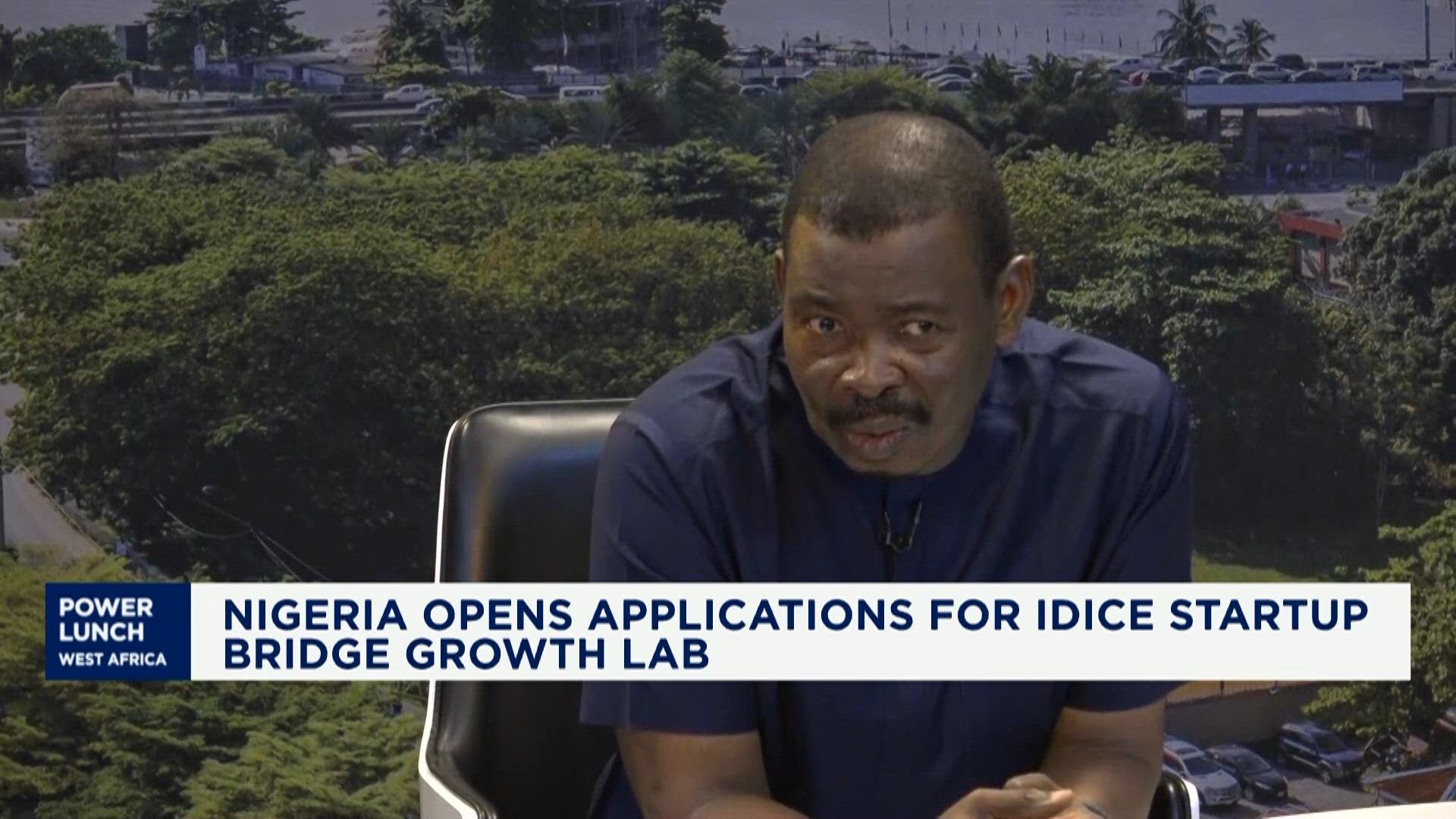
Nigeria’s tech ecosystem is on the cusp of a transformative shift, with the launch of a new government-backed startup accelerator designed to inject much-needed capital into the continent’s most dynamic innovation hub. Under the initiative, led by the Bank of Industry (BoI), qualifying startups could secure up to $350,000 in funding—a significant boost in an era where venture capital (VC) has become increasingly selective, prioritizing growth potential, financial discipline, and measurable returns over speculative valuations. However, as industry experts like Collins Onoe, founder of Signal Alliance Technology Holding, caution, the program’s long-term impact hinges on clarity in funding structure, scalability, and alignment with market realities.
A Lifeline in a Tough Fundraising Landscape
The African startup landscape has undergone a radical correction in recent years. Once fueled by high-growth, narrative-driven valuations, the sector now faces tighter investor scrutiny, with many backers demanding proof of revenue, sustainable business models, and clear exit strategies. In this climate, Nigeria’s accelerator—offering $100,000 in seed funding for a 7.5% equity stake—represents a rare opportunity for early-stage founders. Yet, Onoe emphasizes that the devil lies in the details, particularly in how the state-backed fund positions itself within the capital stack—whether as an angel investor, institutional backer, or a hybrid model.
“Any investment that comes into the ecosystem is good,” Onoe states, “but the effectiveness depends on how it integrates with existing funding sources.” The challenge, he argues, is ensuring that the BoI’s program doesn’t create silos but instead complements private capital—a critical factor given Nigeria’s fragmented funding ecosystem, where startups often juggle multiple investors with differing expectations.
Scale, Distribution, and the Geopolitical Divide
One of the most debated aspects of the accelerator is its regional distribution strategy. While Lagos and Abuja have long dominated Nigeria’s startup scene—hosting 80% of VC activity and the majority of high-growth companies—the BoI’s plan to select startups across Nigeria’s geopolitical zones is a bold attempt to decentralize innovation. However, Onoe warns that market realities remain uneven, with Lagos’s concentration of talent, customers, and investors making it the most logical scaling ground for most startups.
“It’s good to promote entrepreneurship across all regions,” Onoe notes, “but investors ultimately back companies with the strongest path to scale. At the end of the day, it’s not charity—it’s about returns.” This raises a critical question: How many startups will the accelerator support annually? Onoe speculates that funding 1,000 startups per year is unrealistic, given the resource constraints and due diligence required. Instead, he suggests a targeted, high-impact approach, where the BoI focuses on a smaller, more promising cohort—one that can demonstrate traction, market fit, and scalability.
Beyond the First Check: The Follow-On Funding Challenge
The accelerator’s success will not be measured solely by the initial $100,000 injection but by its ability to enable follow-on financing. Onoe highlights that many startups fail not because of a lack of early capital, but because they struggle to secure subsequent rounds—a gap that the BoI must address. “If a company proves its core attributes—market access, execution capacity, and a realistic growth path—it should qualify for the next round,” he explains. However, he cautions that backing a startup in a remote region and expecting it to become a unicorn is optimistic at best.
The broader lesson, Onoe argues, is that geographic inclusion must be paired with market depth. Startups outside Lagos and Abuja may need to build a presence in the commercial hubs to attract further investment, as network effects, customer concentration, and investor confidence remain heavily skewed toward Nigeria’s largest cities.
De-Risking Angel Investing: A Policy Imperative
While institutional funding gains traction, angel investors remain the lifeblood of early-stage startups—yet their participation is deterred by high risk and long holding periods. Many angels commit personal capital with no guaranteed returns, often waiting five to seven years to recoup their investments, if at all. Onoe advocates for policy interventions that reduce losses for angel investors, such as tax incentives, loss-deductible provisions, or government-backed guarantees, to encourage more early-stage funding.
“Angel investing is extremely risky,” Onoe states. “If an investor loses money, they may stop participating entirely. We need mechanisms that protect their capital while still fueling innovation.”
The Shift from Unicorn Hype to Sustainable Growth
Nigeria’s tech sector is undergoing a fundamental reset, moving away from the growth-at-all-costs mentality of the past. Many businesses previously labeled as “startups” are now operating like mature companies, requiring diverse financing strategies—including debt financing, revenue-based loans, and strategic partnerships. Onoe observes that debt is increasingly filling the gap where equity once dominated, particularly for startups that have proven traction but lack the high-growth narratives that once attracted VC dollars.
“Sometimes, you become a normal company and must operate like one,” Onoe says. This shift is reflected in consolidation trends, where larger startups are acquiring smaller players rather than building everything in-house. Not every company will achieve $500 million or $1 billion valuations, he notes—some will instead become acquisition targets or feed into larger platforms, a reality that investors are now more openly acknowledging.
AI: The Double-Edged Sword for African Startups
Artificial intelligence (AI) has become the new buzzword in tech, but Onoe warns that most AI claims lack substance. Signal Alliance, his own firm, has helped enterprise clients adopt AI in Nigeria and beyond, but he cautions that genuinely investable AI opportunities remain scarce. “Everybody is saying they’re doing AI today,” he says, “but we need to see realistic, scalable applications—not just hype.”
The opportunity for African startups, Onoe believes, lies in building AI solutions tailored to local challenges—whether in agriculture, fintech, or healthcare—rather than chasing global trends without local relevance. Meanwhile, the International Monetary Fund (IMF) and other institutions have highlighted AI’s potential to boost sub-Saharan Africa’s GDP, but this hinges on improved electricity access, digital infrastructure, and workforce upskilling—areas where Nigeria’s accelerator must also play a role.
The Bigger Test: Building an Investable Pipeline
Nigeria’s new accelerator is more than just a funding vehicle—it’s a test of the country’s ability to nurture a sustainable startup ecosystem. The $350,000 headline figure is significant, but the real challenge lies in consistency: identifying high-potential startups, providing ongoing support, and ensuring they remain attractive to private investors. If the BoI’s program can bridge the gap between seed funding and Series A, it could de-risk early-stage investing and attract more capital—both domestic and international—to Nigeria’s tech sector.
However, Onoe’s final warning is clear: without structural reforms in funding, infrastructure, and policy, even the most ambitious accelerators may struggle to create lasting impact. “The accelerator is a step forward,” he concludes, “but the real work begins when we ask: Can Nigeria build a pipeline of investable companies beyond its traditional tech hubs?” The answer will determine whether this initiative is a temporary lifeline or a catalyst for systemic change.
