

The Malaria Challenge: A Persistent Threat Across Africa
Malaria remains one of the most formidable public health challenges in Africa, claiming an estimated 608,000 lives annually according to the World Health Organization (WHO). The disease, primarily transmitted through the bite of infected female Anopheles mosquitoes, disproportionately affects children under five and pregnant women, perpetuating cycles of poverty and underdevelopment. Traditional methods of malaria control—such as indoor residual spraying (IRS) and insecticide-treated bed nets (ITNs)—have made significant strides in reducing transmission. However, the emergence of insecticide resistance, environmental degradation, and limited healthcare infrastructure in rural regions have underscored the need for innovative, technology-driven solutions.
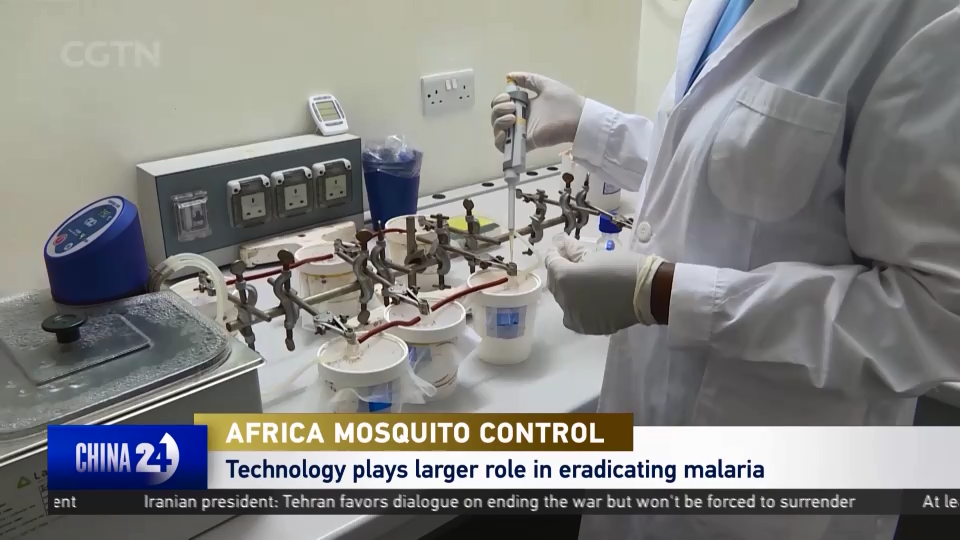
In recent years, Africa has witnessed a surge in science-backed interventions that leverage artificial intelligence (AI), biotechnology, and data analytics to combat malaria more effectively. These advancements are not only enhancing the precision of mosquito control but also empowering communities with real-time monitoring and adaptive strategies. Below, we explore how technology is reshaping the fight against malaria across the continent.
AI and Machine Learning: Predicting and Preventing Outbreaks
One of the most transformative applications of technology in malaria control is predictive analytics, powered by AI and machine learning algorithms. These systems analyze vast datasets—including weather patterns, mosquito population trends, and historical malaria cases—to forecast outbreaks with unprecedented accuracy.
In Kenya, researchers at the International Centre of Insect Physiology and Ecology (icipe) have developed an AI-driven model that integrates satellite imagery, climate data, and mosquito trapping records to predict high-risk zones. By identifying areas where malaria transmission is likely to spike, health authorities can deploy targeted interventions, such as ultra-low-volume (ULV) spraying or community education campaigns, before outbreaks escalate.
Similarly, in Ghana, the Malaria Elimination Initiative has partnered with tech firms to deploy drones equipped with thermal imaging to detect mosquito breeding sites in hard-to-reach swamps and wetlands. These drones, programmed with AI algorithms, can cover vast areas in a fraction of the time it would take human teams, significantly improving surveillance efficiency.
Biotechnology: Gene-Drive Mosquitoes and Beyond
While behavioral and chemical interventions remain critical, biological solutions are gaining traction as a long-term strategy for malaria eradication. One of the most promising breakthroughs is the gene-drive technology, which involves modifying mosquito populations to make them resistant to malaria or even sterile.
In Malawi, the Target Malaria project has conducted field trials using CRISPR-Cas9 gene editing to develop mosquitoes that cannot transmit the Plasmodium falciparum parasite. These genetically modified mosquitoes, when released into the wild, could theoretically disrupt malaria transmission by reducing the overall mosquito population or making it impossible for them to spread the disease.
Another innovative approach is the use of Wolbachia-infected mosquitoes, which have been successfully tested in Tanzania and Uganda. Wolbachia is a naturally occurring bacterium that, when introduced into Aedes aegypti mosquitoes, reduces their ability to transmit dengue and other viruses. While primarily developed for dengue control, researchers are exploring its potential for malaria prevention by weakening the mosquitoes’ reproductive capacity or making them more susceptible to insecticides.
Digital Health Platforms: Empowering Communities with Real-Time Data
The success of malaria control efforts hinges on community engagement and timely intervention. Digital health platforms are bridging the gap between healthcare providers and local populations by delivering personalized, actionable information via mobile apps and SMS alerts.
In Nigeria, the Malaria Consortium has launched the “Mama Ye” (meaning “Good Mother” in Hausa) app, which provides pregnant women with real-time malaria prevention tips, symptoms to watch for, and nearby healthcare facilities. The app also connects women to telemedicine services, ensuring they receive prompt treatment if symptoms arise.
Similarly, in Zambia, the Zambia National Malaria Control Centre (NMCC) has partnered with mobile network operators to send SMS alerts to high-risk communities before the rainy season, when mosquito populations peak. These alerts include reminders to use ITNs, seek early treatment, and report suspected cases to local health workers.
Blockchain and Supply Chain Optimization: Ensuring Access to Essential Tools
One of the biggest challenges in malaria control is the distribution of insecticide-treated bed nets (ITNs) and antimalarial drugs to remote and underserved areas. Supply chain inefficiencies often lead to stockouts or counterfeit products, undermining prevention efforts.
To address this, blockchain technology is being explored as a transparent and secure way to track the distribution of malaria commodities. In Rwanda, the Rwanda Biomedical Centre (RBC) has piloted a blockchain-based system that records every step of the ITN supply chain—from manufacturing to delivery to end-users. This ensures authenticity, reduces theft, and improves accountability, while also providing data for real-time inventory management.
Additionally, AI-powered logistics platforms are optimizing the delivery of medical supplies to rural clinics. For example, in Mozambique, the Global Fund to Fight AIDS, Tuberculosis and Malaria has implemented an automated warehouse management system that uses predictive algorithms to forecast demand and minimize delays in drug and net distribution.
The Role of Citizen Science: Crowdsourcing for Malaria Surveillance
Traditional malaria surveillance relies heavily on health facility-based reporting, which can miss cases in rural or mobile populations. Citizen science—where community members act as data collectors—is emerging as a cost-effective and inclusive approach to monitoring mosquito populations and disease transmission.
In Burkina Faso, the “Mosquito Alert” initiative encourages residents to report mosquito sightings via a mobile app. Users can upload photos, GPS coordinates, and behavioral observations, which are then analyzed by entomologists to identify high-risk areas. This crowdsourced data helps local authorities target mosquito control efforts more effectively.
Similarly, in South Africa, the “Malaria Early Warning System” uses community health workers to conduct weekly mosquito surveys in at-risk regions. The data collected is fed into a centralized dashboard, allowing epidemiologists to detect early signs of resurgence and deploy rapid response teams.
Challenges and Ethical Considerations
While technology offers unprecedented opportunities in malaria eradication, several challenges must be addressed:
-
Digital Divide: Not all African communities have access to smartphones or reliable internet, limiting the reach of digital health tools. Solutions include offline apps, SMS-based systems, and community radio campaigns to ensure inclusivity.
-
Regulatory Hurdles: The release of genetically modified mosquitoes raises ethical and environmental concerns. Governments must establish clear guidelines for field trials and long-term monitoring to ensure safety.
-
Sustainability: Many tech-driven interventions require ongoing funding and technical support. Partnerships between governments, NGOs, and private sector entities are essential to maintain these programs beyond pilot phases.
-
Resistance and Adaptation: Mosquitoes and malaria parasites are evolving, leading to insecticide resistance and drug failures. Continuous innovation—such as new insecticides, vaccines, and gene-drive technologies—must keep pace with these challenges.
The Future: A Tech-Enabled Malaria-Free Africa
The integration of AI, biotechnology, digital health, and citizen science is accelerating Africa’s progress toward malaria elimination. While the path forward is complex, the continent’s rapid technological adoption and collaborative research initiatives offer hope for a future where malaria is no longer a leading cause of morbidity and mortality.
Key milestones to watch include:
– Expansion of gene-drive mosquito trials in multiple African countries.
– Wider deployment of AI-driven predictive models for outbreak prevention.
– Scaling of blockchain-based supply chains to ensure equitable access to malaria commodities.
– Enhanced citizen science programs that empower communities to take ownership of their health.
As Africa continues to invest in innovative solutions, the dream of a malaria-free continent moves closer to reality. The fusion of cutting-edge technology with traditional public health strategies is not just a tool for control—it is a blueprint for sustainable eradication.
Final Thoughts
The fight against malaria in Africa is entering a new era of technological empowerment. From AI-powered outbreak predictions to genetically modified mosquitoes and blockchain-secured supply chains, these advancements are redefining what is possible in global health. However, success will depend on collaboration, ethical stewardship, and unwavering commitment from governments, researchers, and communities alike. With the right strategies in place, Africa can lead the world in malaria eradication, proving that even the most daunting health challenges can be overcome through innovation and determination.
