

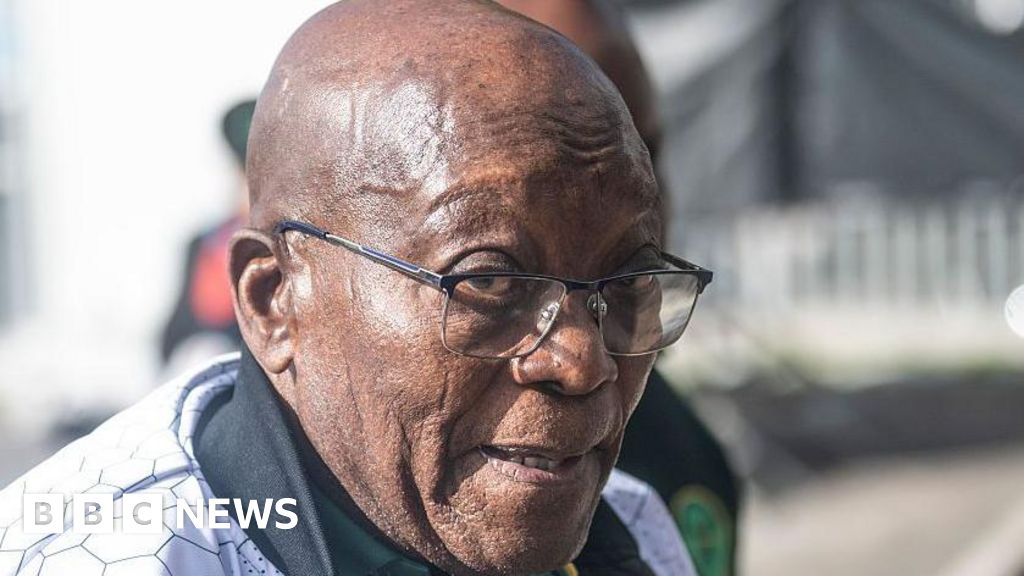
South Africa’s government is set to introduce stricter regulations governing foreign travel by former state leaders, following widespread criticism over Jacob Zuma’s recent visit to India. The move, spearheaded by Foreign Affairs Minister Ronald Lamola, aims to enhance transparency and mitigate potential diplomatic, political, and reputational risks associated with such trips.
A Controversial Meeting Sparks Outrage
Zuma’s trip to India in late 2024 drew significant backlash after reports emerged that he met with Ajay Gupta, one of the brothers linked to the state capture scandal that plagued his presidency. The Gupta brothers—Ajay, Atul, and Rajesh—were accused of exerting undue influence over South African governance in exchange for lucrative business deals during Zuma’s tenure (2009–2018).
The scandal, later investigated by the Zondo Commission, revealed that Zuma had allegedly appointed and dismissed key economic ministers at the behest of the Gupta family. While the commission concluded that Zuma’s role was central to the corruption scheme, the Gupta brothers denied wrongdoing. Despite an arrest warrant issued for Ajay Gupta in 2022, it was later cancelled due to insufficient evidence. The younger brothers, Atul and Rajesh, fled to the United Arab Emirates (UAE), where a South African extradition request was rejected in 2023.
Diplomatic Fallout and Public Backlash
Zuma’s meeting with Ajay Gupta in India—captured in a widely circulated photograph at a temple—fueled accusations that he was exploiting his political influence for personal gain. A senior South African minister reportedly called the encounter a “middle finger” to the nation, underscoring the public’s disapproval.
The controversy extended to South Africa’s diplomatic representation in India, as Anil Sooklal, the country’s high commissioner, was photographed alongside Zuma and Gupta. Sooklal, who has since been recalled, denied any wrongdoing, but the incident further strained South Africa’s image abroad.
New Protocols for Former Leaders’ Travels
In response to the backlash, Lamola announced that his ministry had proposed new protocols for former presidents and state leaders traveling internationally. Under the proposed rules, such individuals would be required to:
– Disclose all trip details in advance, including destinations, itineraries, and accompanying parties.
– Undergo a risk assessment to evaluate potential diplomatic, political, or security implications.
– Seek prior approval from the government to ensure alignment with national interests.
Lamola emphasized that the reforms were necessary to “prevent reputational damage” and ensure that foreign engagements do not undermine South Africa’s sovereignty or international standing.
A Pattern of Controversial Foreign Visits
Zuma’s India trip was not his first internationally polarizing appearance. In 2023, he traveled to Morocco as leader of the opposition uMkhonto we Sizwe (MK), where he publicly supported Morocco’s territorial claims over Western Sahara—a position directly contradicting South Africa’s long-standing stance on the dispute.
During the visit, Zuma was photographed standing in front of the South African flag while meeting Morocco’s foreign minister, further fueling criticism. The government condemned the trip, issuing a formal diplomatic protest to Morocco over Zuma’s actions.
Zuma’s Political Exile and Ongoing Scrutiny
Since his expulsion from the African National Congress (ANC) in 2018, Zuma has operated as the leader of the MK, a faction that has faced accusations of political opportunism and corruption ties. His foreign travels—particularly those involving alleged associates from his presidency—continue to draw scrutiny, raising questions about his motivations and the integrity of his political legacy.
As South Africa strengthens oversight on former leaders’ international movements, the debate over accountability and transparency in post-presidency engagements is likely to intensify, with broader implications for the nation’s diplomatic and political future.


