

Tanzania’s foreign policy trajectory over the past decade has undergone a dramatic transformation, marked by a stark contrast between the tenure of President John Magufuli (2015–2021) and his successor, President Samia Suluhu Hassan, who assumed office following Magufuli’s sudden death. While the shift has been attributed to leadership style—Magufuli’s combative nationalism versus Hassan’s diplomatic pragmatism—this narrative oversimplifies the underlying dynamics. A deeper examination reveals that Tanzania’s evolving foreign policy is intricately tied to domestic power struggles, elite bargaining, and the fragile equilibrium of political settlements. These internal forces dictate not only diplomatic posture but also resource management, legal commitments, and regional alliances.
From Magufuli’s Isolationist Stance to Hassan’s Re-Engagement
Under Magufuli, Tanzania adopted a sovereignty-first approach, characterized by skepticism toward foreign investment, reduced international engagement, and withdrawal from key legal frameworks. His government expanded state control over natural resources, particularly in mining, framing policies as a defense against foreign exploitation. The withdrawal from the African Court on Human and Peoples’ Rights (ACHPR)—based in Arusha—was a notable move, effectively silencing dissent by closing a critical avenue for opposition figures and civil society to challenge state actions.
Magufuli’s foreign policy was not merely a personal preference but a strategic consolidation of power. His rise to presidency in 2015 followed factional infighting within the ruling Chama Cha Mapinduzi (CCM), Tanzania’s dominant political party. To centralize authority, he weakened rival factions, sidelined business elites tied to previous administrations, and concentrated decision-making in the presidency. His political settlement was narrow and personalized, relying on an anti-corruption narrative and nationalist rhetoric to legitimize his rule.
This domestic strategy had direct foreign policy consequences. For instance, Tanzania’s mining laws were revised to assert state dominance, alienating foreign investors while reinforcing Magufuli’s image as a protector of national interests. Similarly, the suspension of membership in the International Criminal Court (ICC) and restrictions on foreign media reflected a broader pattern of reducing external scrutiny to maintain internal control.
Hassan’s Diplomatic Pivot: Reconciling Domestic Factions
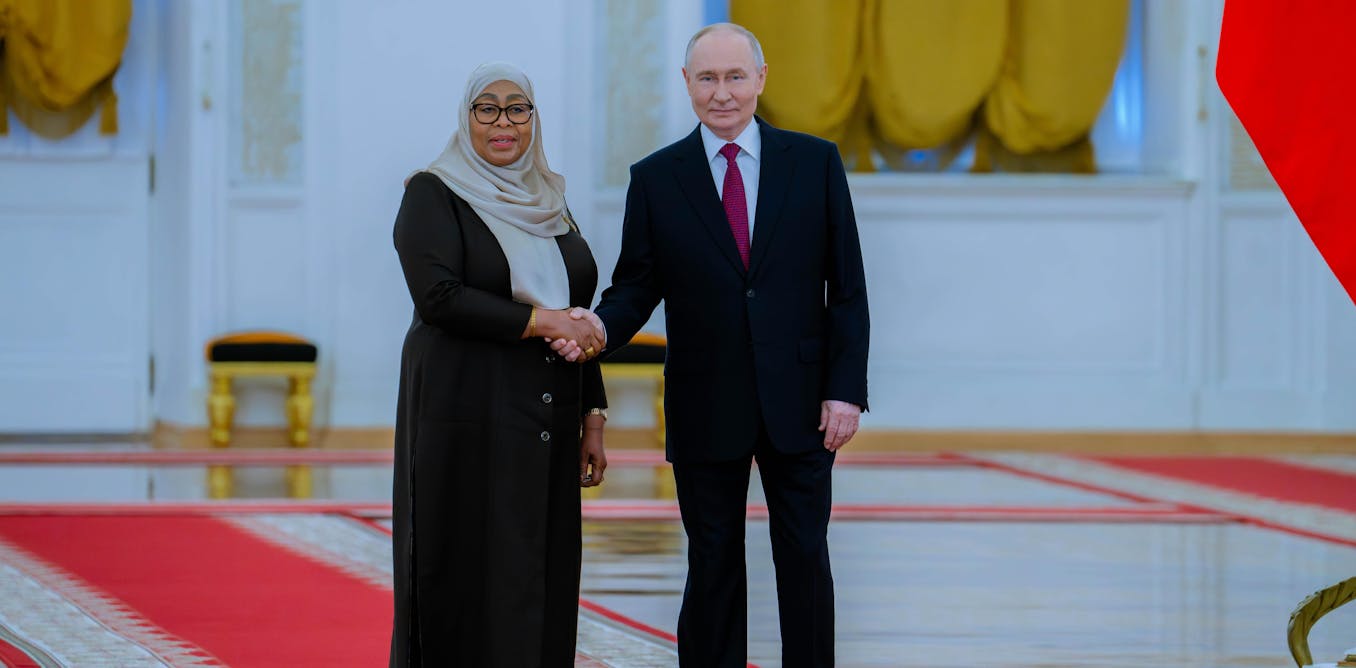
President Samia Suluhu Hassan’s ascension to power in 2021 introduced a radical shift in diplomatic approach. Unlike Magufuli’s confrontational stance, Hassan’s administration has courted foreign investors, repaired diplomatic ties, and repositioned Tanzania as an open-for-business hub. This reversal is not merely a leadership change but a response to the fragility of her political mandate.
Hassan inherited a politically unstable environment. As vice president, she lacked a strong factional base within CCM and faced resistance from Magufuli’s loyalists, business elites, and regional allies. To consolidate power, she pursued three key strategies:
- Rebuilding Elite Consensus – She sought to reintegrate sidelined factions within CCM, including business networks that had been marginalized under Magufuli.
- Restoring Bureaucratic and Diplomatic Trust – By reopening channels with foreign companies and international organizations, she aimed to rebuild confidence among bureaucrats, investors, and diplomats.
- Reframing Tanzania’s Global Role – Her government has reintroduced economic diplomacy, emphasizing trade, investment, and regional cooperation as pillars of foreign policy.
This shift is evident in policy reversals and new initiatives:
– Mining Sector: While Hassan retained some of Magufuli’s nationalist policies, she softened restrictions on foreign investment, signaling a more business-friendly approach.
– International Legal Commitments: Tanzania has reconsidered its stance on the ACHPR, though no formal re-entry has been announced. The government has also reopened dialogue with the ICC, though with conditions.
– Regional Engagement: Hassan has strengthened ties with East African neighbors, particularly Kenya and Uganda, to counterbalance Magufuli’s isolationist tendencies.
However, the transition has not been seamless. Nationalist factions within CCM remain skeptical of foreign influence, while economic elites push for deeper integration with global markets. Hassan must balance these competing interests, ensuring that foreign policy aligns with both domestic stability and national development goals.
The Role of Political Settlements in Shaping Foreign Policy
The Tanzanian case underscores the indispensable link between domestic politics and foreign policy. A political settlement—an informal agreement among elites over power, resources, and influence—dictates how governments navigate both internal and external relations. In Tanzania, these settlements have evolved in response to factional rivalries, economic pressures, and ideological shifts.
-
Julius Nyerere’s Pan-Africanism (1964–1985): Tanzania’s founding president pursued a non-aligned, socialist foreign policy, aligning with liberation movements and promoting African unity. His settlement relied on party loyalty and ideological consensus, with foreign policy serving as a tool for regional influence and ideological solidarity.
-
Economic Diplomacy (2000s–2015): As Tanzania transitioned toward a market-driven economy, business networks within CCM gained influence. Foreign policy shifted toward trade agreements, investment incentives, and regional economic blocs, reflecting a broader elite consensus on economic growth.
-
Magufuli’s Personalized Rule (2015–2021): His settlement was exclusionary, relying on anti-corruption rhetoric and nationalist sentiment to marginalize rivals. Foreign policy became a tool to consolidate power domestically, even at the cost of economic and diplomatic isolation.
-
Hassan’s Coalition-Building (2021–Present): Her settlement requires reconciliation with sidelined factions, making foreign policy a means of rebuilding trust. By re-engaging with investors and international bodies, she seeks to stabilize her coalition while maintaining nationalist appeal.
This dynamic interplay between domestic power structures and foreign policy explains why governments often pursue apparently irrational decisions. For example:
– Magufuli’s anti-investor stance may have damaged economic growth, but it strengthened his domestic base by appearing to resist foreign dominance.
– Hassan’s re-engagement with global markets may boost investment, but it risks alienating nationalist factions who see it as surrendering sovereignty.
Broader Implications for African Foreign Policy
Tanzania’s experience challenges conventional explanations for African foreign policy, which often attribute shifts to external pressure, presidential personality, or abstract “national interest.” Instead, the Tanzanian case demonstrates that foreign policy is a battleground for domestic power.
This insight has regional and continental significance:
– Elite Bargaining Over Foreign Policy: Many African governments face competing domestic coalitions—military factions, business elites, regional allies, and opposition groups—that influence diplomatic decisions. A government’s relationship with foreign investors, international courts, or regional blocs can either strengthen or weaken these factions.
– The Cost of Isolationism: Magufuli’s approach alienated global partners, limiting Tanzania’s access to development funding, technology, and trade opportunities. His successor’s re-engagement strategy reflects an acknowledgment that economic stability depends on international cooperation.
– The Balance Between Sovereignty and Pragmatism: African leaders must navigate the tension between nationalist rhetoric and practical governance. While anti-colonial sentiment remains strong, the need for foreign capital and expertise often necessitates a more pragmatic foreign policy.
Conclusion: A Foreign Policy Shaped by Power, Not Just Leadership
Tanzania’s foreign policy evolution is not merely a reflection of leadership style but a direct consequence of domestic power dynamics. The transition from Magufuli’s isolationist nationalism to Hassan’s diplomatic pragmatism reveals how political settlements dictate foreign engagement. As Tanzania seeks new investments, regional influence, and global partnerships, its future foreign policy will continue to be shaped by the fragile balance between domestic coalitions, economic pragmatism, and nationalist sentiment.
For African nations facing similar challenges, the Tanzanian model offers a critical lesson: foreign policy is not an isolated domain but an extension of internal power struggles. Understanding this connection is essential for predicting diplomatic shifts, economic policies, and regional alliances across the continent.

President Samia Suluhu Hassan addresses a diplomatic gathering, symbolizing Tanzania’s renewed engagement with international partners.
