

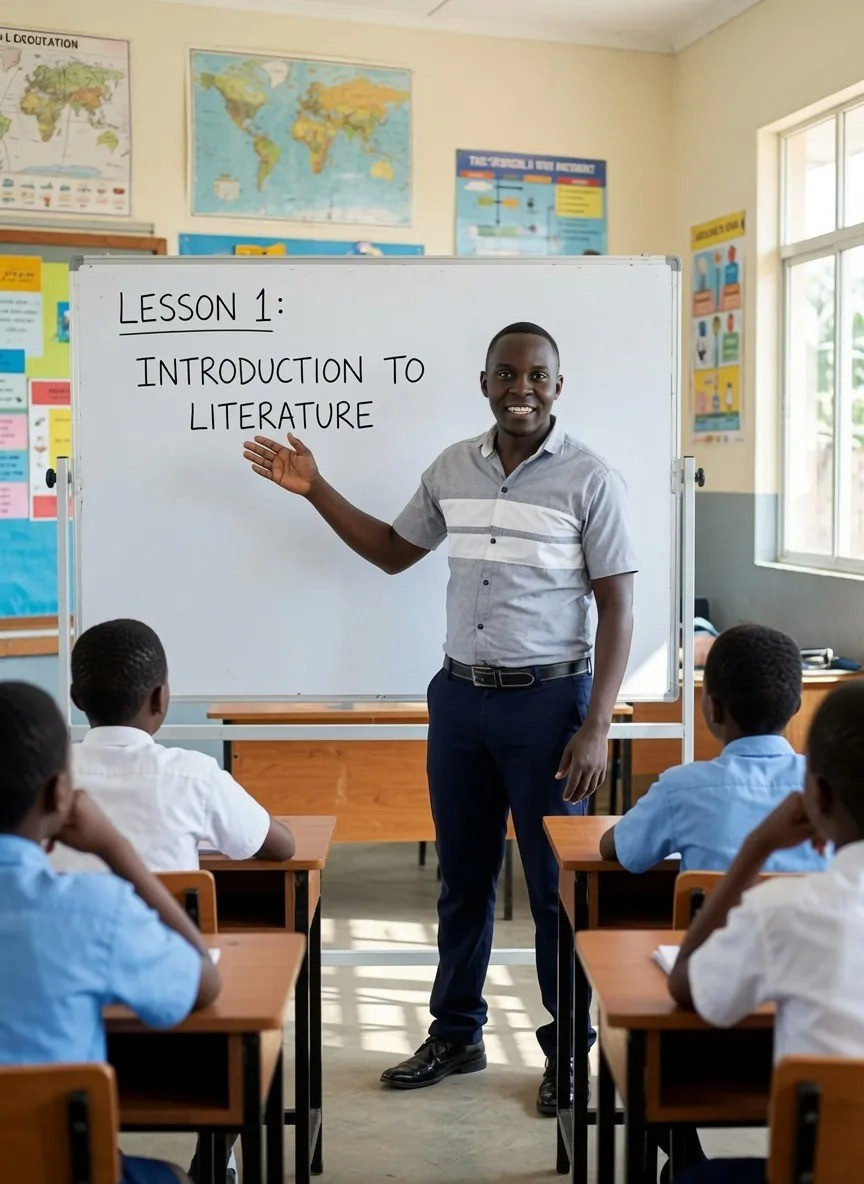
Uganda’s education system faces a complex array of challenges that extend far beyond mere enrollment statistics. While the country has made strides in expanding access to schooling, the quality of education remains a critical concern, particularly in ensuring that learners receive meaningful, personalized instruction. Ssali Badru, a seasoned educator specializing in Chemistry and Mathematics and a graduate of Makerere University, argues that sustainable progress requires a multi-faceted approach—one that prioritizes teacher welfare, parental involvement, and the integration of digital learning tools—to transform education from a one-size-fits-all model into a dynamic, student-centered system.
The Teacher Crisis: A Foundation for Educational Success
At the heart of Uganda’s education challenges lies the underappreciated and often under-resourced teaching profession. Badru emphasizes that teachers are not merely instructors but architects of the future, shaping the cognitive, emotional, and social development of students. However, systemic issues such as low salaries, excessive workloads, and inadequate infrastructure continue to erode teacher morale and effectiveness.
“Teachers are the backbone of any education system,” Badru states. “Yet, they operate in environments that rarely reflect the respect and support they deserve. When educators are overwhelmed by administrative burdens, underpaid for their expertise, or forced to teach in poorly equipped classrooms, their ability to inspire and educate is compromised.”
The consequences of this neglect ripple across the education ecosystem. High teacher turnover, burnout, and disengagement lead to inconsistent teaching quality, leaving students—particularly those in rural or underserved areas—with limited opportunities for growth. Badru argues that investing in teacher welfare is not a cost but a strategic imperative for national development. This includes competitive remuneration, professional development opportunities, and policies that reduce administrative red tape, allowing educators to focus on what they do best: teaching.
Parental Involvement: Bridging the Gap Between Home and School
While schools bear the primary responsibility for education, Badru underscores the indispensable role of parents in fostering academic success. Research consistently shows that children whose families actively engage in their education—whether through monitoring progress, reinforcing learning at home, or providing emotional support—excel academically and develop stronger work ethics.
Yet, in Uganda, parental involvement remains uneven, often limited to formal events like parent-teacher meetings rather than sustained, hands-on participation. Badru highlights that education is a shared responsibility that extends beyond school walls. “A child’s learning does not stop when they leave the classroom,” he explains. “Parents must be partners in this journey, creating environments where curiosity is nurtured, discipline is instilled, and challenges are approached collaboratively.”
To bridge this gap, Badru advocates for community-based education initiatives that educate parents on how to support their children’s learning. This could include workshops on effective study habits, digital literacy, and subject-specific guidance, particularly in STEM fields where Uganda has both potential and gaps. By fostering a culture of mutual accountability, schools and families can work together to ensure that no student is left behind.
The Digital Divide: Leveraging Technology for Equitable Learning
In an era where technology reshapes industries and economies, Uganda’s education system must evolve to meet the demands of the 21st-century workforce. Badru has been at the forefront of this transformation, integrating digital tools into his teaching methodology to enhance accessibility and engagement.
Through platforms like Zoom and online learning resources, he provides students with flexible, supplementary instruction that extends beyond traditional classroom hours. This is particularly valuable for subjects like Chemistry and Mathematics, where students often struggle with complex concepts. “Digital education breaks down barriers,” Badru notes. “It allows students to revisit lessons, seek clarification, and engage with content at their own pace—regardless of their location or schedule.”
However, the benefits of digital learning are not universally accessible. Uganda’s digital infrastructure disparities, particularly in rural areas, create a two-tiered education system—one for students with internet access and another for those who remain dependent on traditional teaching methods. To address this, Badru calls for government and private sector collaboration to expand broadband connectivity, provide low-cost devices, and develop offline learning solutions that ensure no student is excluded due to technological limitations.
Personalized Learning: Adapting to Diverse Student Needs
One of the most persistent challenges in Ugandan classrooms is the lack of individualized attention. With large class sizes and limited instructional time, teachers often struggle to address the unique learning paces, strengths, and weaknesses of each student. Badru advocates for personalized and differentiated instruction, where educators tailor teaching methods to accommodate various cognitive styles and abilities.
This approach requires resourceful planning, adaptive teaching strategies, and, where possible, smaller class sizes. While systemic changes may take time, Badru suggests that peer learning, mentorship programs, and technology-driven tools can help bridge the gap. For instance, AI-driven educational platforms could provide real-time feedback to students, while mentorship initiatives pair advanced learners with those who need additional support.
A Vision for the Future: Empowerment, Innovation, and Collaboration
Badru’s vision for Uganda’s education system is rooted in three pillars: empowered teachers, engaged parents, and innovative learning methods. He believes that by addressing these areas concurrently, the country can move toward a model where education is inclusive, adaptive, and future-ready.
“Education is not just about filling heads with information,” Badru asserts. “It’s about cultivating critical thinkers, problem-solvers, and innovators who can navigate an uncertain world. To achieve this, we must rethink our approach—prioritizing quality over quantity, collaboration over isolation, and innovation over stagnation.”
His work extends beyond the classroom, as he actively develops educational resources, conducts workshops, and mentors young learners with a focus on STEM education. By fostering critical thinking and scientific curiosity, he aims to inspire the next generation of Ugandan innovators.
A Call to Action
As Uganda grapples with the dual challenges of expanding access and improving quality, Badru’s insights serve as a blueprint for systemic reform. The path forward requires political will, financial investment, and a cultural shift toward valuing education as a collective responsibility.
For educators, parents, policymakers, and stakeholders, the message is clear: education thrives when it is supported, adaptive, and inclusive. By heeding Badru’s advocacy—empowering teachers, engaging families, and embracing digital innovation—Uganda can transform its education system into a powerhouse of learning and opportunity for all its citizens.
Note: For academic consultations, Chemistry and Mathematics lessons, workshops, or educational partnerships, Ssali Badru can be reached via Phone/WhatsApp: +256 792 140 217.
