
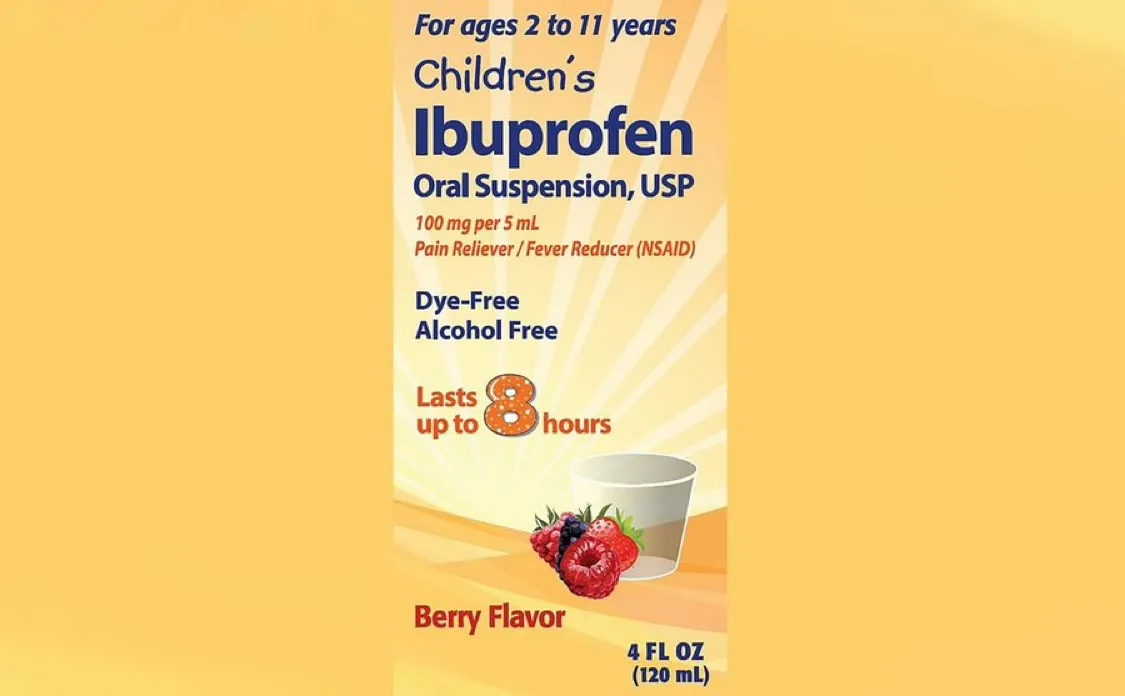
The United States has just recalled a widely used children’s pain reliever, sending shockwaves through African health systems. The alarm bells are ringing not just in Washington, D.C., but in pharmacies from Lagos to Luanda. The medication in question? A liquid ibuprofen suspension, a staple in households battling childhood fevers and aches. The recall, triggered by contamination fears, has left parents and regulators scrambling to assess risks across borders. But this isn’t just America’s problem—it’s a continental wake-up call.
Nigeria’s National Agency for Food and Drug Administration and Control (NAFDAC) has stepped into the fray, issuing a stern advisory for Nigerian families. The agency’s warning isn’t just a bureaucratic formality; it’s a lifeline. With millions of children relying on this medication, the stakes couldn’t be higher. The contamination scare isn’t isolated—it’s part of a troubling pattern of drug safety lapses that have sent ripples through global supply chains.

Why the US Recall Matters Beyond American Shores
At first glance, a drug recall in the United States might seem like a distant issue. But in today’s interconnected world, pharmaceutical supply chains are a spiderweb of dependencies. Many African countries import medications from the US or rely on suppliers that source ingredients globally. When a major recall happens in one market, the ripple effects can cross continents in days.
The recalled ibuprofen, a liquid suspension for children, is a common fixture in pediatric care. Parents reach for it without hesitation when fevers spike or headaches strike. But the US Food and Drug Administration (FDA) has flagged potential contamination with a harmful substance—one that could pose serious risks to young patients. The contamination isn’t just a technical glitch; it’s a direct threat to child health.
For African families, the implications are immediate. Nigeria, a hub for pharmaceutical imports in West Africa, often serves as a distribution point for neighboring countries. If contaminated batches slip through, the consequences could spread far beyond the US. The recall isn’t just about one drug—it’s a test of Africa’s drug safety infrastructure.
The Hidden Risks in Global Pharmaceutical Supply Chains
This isn’t the first time contamination scares have rocked the pharmaceutical world. Over the past decade, recalls of everything from cough syrups to blood pressure medications have exposed vulnerabilities in global supply chains. The ibuprofen recall is a stark reminder that even trusted medications can harbor unseen dangers.
Experts warn that contamination often stems from lapses in manufacturing or ingredient sourcing. In some cases, substandard raw materials slip through unchecked. In others, poor storage conditions or packaging failures introduce hazards. The result? A medication that was supposed to heal can instead harm. For children, whose bodies are still developing, the risks are magnified.
The FDA’s recall notice didn’t mince words. It cited “potential contamination with a harmful substance” in the ibuprofen suspension. While the agency hasn’t disclosed the exact contaminant, the implication is clear: this isn’t a minor issue. Parents who’ve trusted this medication for years now face an unsettling question—how safe is the next bottle on the shelf?
NAFDAC’s Swift Response: A Model for African Regulators?
Nigeria’s NAFDAC has earned a reputation for being one of Africa’s most vigilant drug regulators. Its response to the US recall underscores why. Within hours of the FDA’s announcement, NAFDAC issued a public advisory, urging parents to check their medicine cabinets and pharmacies to pull suspect batches. The agency also launched a rapid assessment of local supplies to ensure no contaminated versions had entered the Nigerian market.
But NAFDAC’s role isn’t just about damage control. It’s about prevention. The agency has been tightening its oversight of pharmaceutical imports, particularly from markets with weaker regulatory frameworks. Nigeria imports a significant portion of its medications, and NAFDAC’s scrutiny is a critical safeguard. The ibuprofen recall is a case study in why such vigilance matters—not just for Nigeria, but for the entire region.
Other African countries are watching closely. Ghana, South Africa, and Kenya have all faced their own drug safety challenges in recent years. The ibuprofen recall serves as a reminder that no nation is immune to supply chain risks. Strengthening regional cooperation on pharmaceutical safety could be the next frontier for African health regulators.
What African Parents Need to Know Right Now
For parents across Africa, the recall is a jarring wake-up call. The ibuprofen in question is a liquid suspension, commonly used for children aged six months to twelve years. Symptoms of contamination exposure may include nausea, vomiting, or more severe reactions in extreme cases. The challenge? Recognizing the signs early and acting fast.
NAFDAC’s advice is clear: if you have a bottle of the recalled ibuprofen, stop using it immediately. Check the packaging for lot numbers and expiration dates, and contact your pharmacy or healthcare provider. If your child has taken the medication recently and shows unusual symptoms, seek medical attention without delay. The agency has set up hotlines and online portals for reporting concerns, ensuring that help is just a call away.
But the recall also raises broader questions. How many other medications in African homes might carry hidden risks? How can parents trust the safety of the drugs they rely on daily? The answers aren’t simple. Regulatory agencies like NAFDAC are working to improve transparency, but the onus also falls on parents to stay informed and vigilant.
How African Countries Are Fortifying Their Drug Safety Nets
The ibuprofen recall isn’t just a health crisis—it’s a policy test. African nations are increasingly recognizing that drug safety is a shared responsibility. Countries like Rwanda and Ethiopia have invested in stronger regulatory frameworks, while regional bodies like the African Union are pushing for harmonized standards. The goal? To ensure that no child, no matter where they live, is put at risk by a contaminated medication.
One critical step is improving supply chain transparency. Many African countries import medications through intermediaries, making it difficult to trace the origin of ingredients. Strengthening direct partnerships with trusted manufacturers could reduce risks. Another priority is public education. Parents need to know not just what medications to avoid, but how to spot red flags in the first place.
Technology is also playing a role. Some countries are piloting blockchain-based tracking systems to monitor drug distribution. Others are leveraging mobile health platforms to disseminate safety alerts in real time. The ibuprofen recall is accelerating these efforts, proving that even in crisis, there’s an opportunity to build resilience.
The Road Ahead: Lessons from a Global Health Scare
The US ibuprofen recall is a stark reminder that drug safety is a global challenge. For African families, it’s a call to action. Regulators must double down on oversight. Parents must stay informed. And manufacturers must prioritize quality at every stage of production. The stakes are too high to do otherwise.
In the coming weeks, health authorities across Africa will be reviewing their protocols, tightening import controls, and ramping up public awareness campaigns. The ibuprofen scare may fade from headlines, but its lessons will linger. It’s a reminder that in the world of pharmaceuticals, vigilance isn’t optional—it’s essential.
For now, the focus is on containment. But the bigger picture is about prevention. Africa’s drug safety net is only as strong as its weakest link. The ibuprofen recall has exposed a crack. The question is whether it will be repaired—or if it will widen into a chasm. One thing is certain: complacency isn’t an option.
Key Takeaways for African Families and Policymakers
- Check your medicine cabinet: If you have children’s ibuprofen in liquid form, verify the lot number against the recall list. When in doubt, dispose of the medication safely and consult your doctor.
- Trust but verify: Not all medications are created equal. Stick to brands with transparent supply chains and reputable regulatory approvals.
- Demand stronger oversight: Advocate for policies that prioritize drug safety, from import controls to post-market surveillance.
- Stay informed: Follow updates from your national drug regulator. Sign up for alerts, and report any adverse reactions immediately.
- Support regional cooperation: Drug safety is a shared challenge. Strengthening collaboration between African regulators can prevent future crises.
The ibuprofen recall isn’t just about one medication—it’s about the trust we place in the systems that keep us healthy. For African families, that trust is non-negotiable. The path forward requires action, not just words. And in the world of pharmaceuticals, every action counts.
Copyright notice: Images and source material are credited to their respective owners/source (original source where available). If you are the copyright owner and want an image or content removed, please contact us at topix.news/contact-us; we will review and remove it promptly.

Topix News Desk is a digital editorial team focused on delivering clear, timely, and useful news coverage for readers worldwide. Our reporting highlights African news with global context, including politics, business, economy, technology, health, sports, entertainment, travel, and culture. We aim to publish accessible, well-structured, and informative articles that help readers understand the stories shaping Africa and the world.