

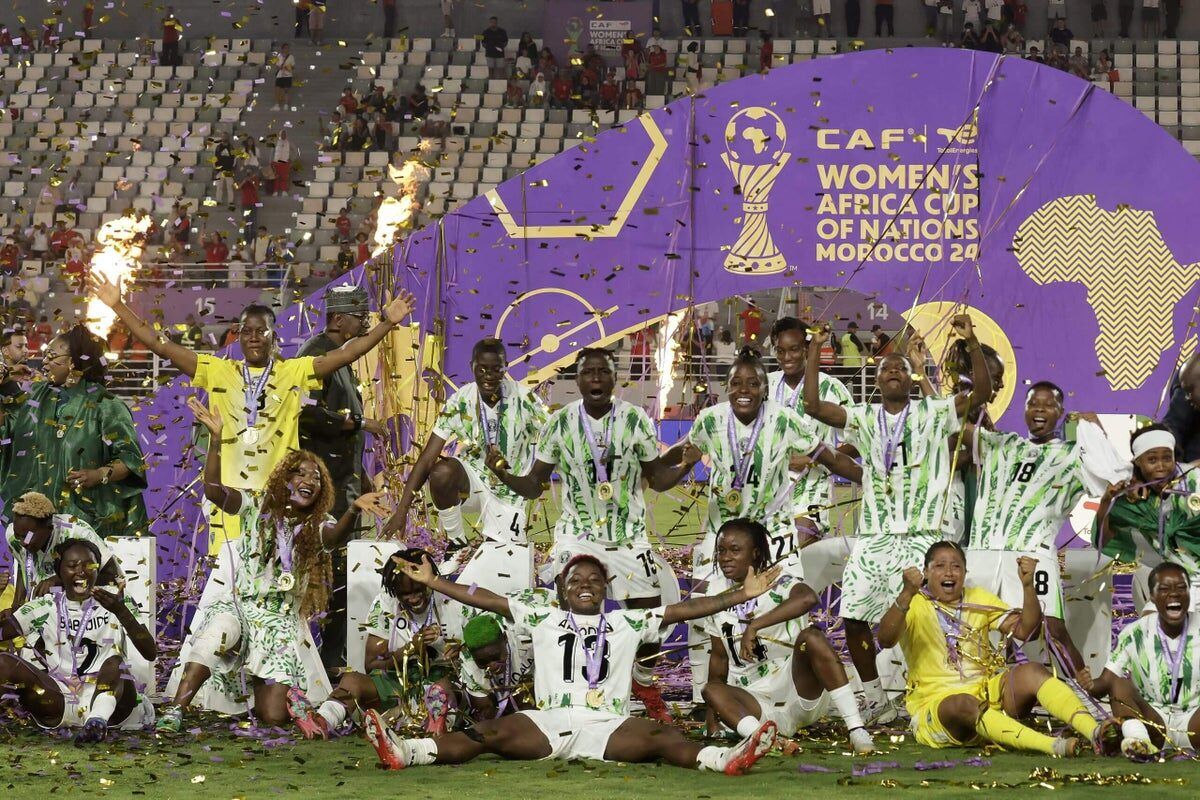
A Tournament of Unprecedented Scale and Significance
The 2026 Women’s Africa Cup of Nations (WAFCON), set to begin on July 26, 2026, in Morocco, is poised to be the most consequential edition of the biennial tournament yet. Beyond the pursuit of continental glory, the competition serves as the primary qualifying pathway for Africa’s teams to secure spots at the 2027 FIFA Women’s World Cup in Brazil. With 16 nations participating—an expansion from the usual 12—this edition marks the largest field in WAFCON history, amplifying the stakes for every team involved.
The tournament’s delayed and expanded format, originally scheduled for March-April 2026, was pushed back due to “unforeseen circumstances,” as stated by the Confederation of African Football (CAF). The postponement, announced just 12 days before the scheduled start, ensured the competition’s success amid logistical and operational challenges. Now, with 22 days of high-octane football stretching from July 26 to August 16, WAFCON 2026 promises to deliver thrilling matches, historic rivalries, and potential World Cup qualifiers.
The Road to Glory: Format and Structure
WAFCON 2026 follows a group-stage followed by single-elimination knockout rounds, a structure designed to test teams across multiple phases. The tournament features:
- Four groups of four teams, where each nation plays a round-robin (three matches per group).
- Top two teams from each group advance to the quarterfinals.
- Semifinals, a third-place playoff, and the final to crown Africa’s champions.
Morocco, as the host nation, will become the first country to stage WAFCON three consecutive times, having previously hosted in 2022 and 2024. Matches will be played across five stadiums in two cities—Rabat and Casablanca—offering a mix of historic venues and modern facilities.
Key Storylines and Team Deep Dives
1. Nigeria: The Unstoppable Force Seeking an 11th Title
Nigeria enters as the defending champions, having won 10 of the last 13 WAFCON editions. With 10 stars adorning their jersey—a nod to their dominance—this team is the clear favorite. However, the added pressure of World Cup qualification means they cannot afford complacency. Nigeria’s squad, featuring star strikers like Asisat Oshoala and Grace Chukwuma, will need to maintain their lethal attacking prowess while reinforcing their defense, which has faced criticism in past tournaments.
2. Morocco: Hosts with Heart, Seeking Their First Title
Morocco, as the hosts, have reached the final in the past two editions (2022 and 2024) but have yet to claim the trophy. Their third-place finish in 2025 suggests they are on the rise, but the road to glory remains challenging. With a young, dynamic squad, Morocco must capitalize on their home advantage and overcome defensive vulnerabilities that have cost them in previous finals. Their group-stage clash against Algeria—a team known for their iron defense—will be a litmus test for their ambitions.
3. Ghana: The Underdogs with World Cup Ambitions
Ghana, who finished third in 2025, have shown significant growth under new management. Their penalty shootout victory over Morocco in 2024 proved their resilience, and their attacking firepower, led by players like Jane Ghansah and Abena Awingya, could be the difference in this tournament. If Ghana can consistently challenge Nigeria and Morocco, they may well be in the mix for a semifinal berth—and a World Cup spot.
4. Malawi and Zambia: Rising Stars with World Cup Dreams
Two of the most exciting teams in this edition are Malawi and Zambia, both making their mark with elite attacking talent.
- Malawi’s Chawinga Sisters (Temwa and Tabitha) are a dual-threat force, combining speed, skill, and clinical finishing. Their NWSL experience (Temwa plays for Kansas City Current) adds a layer of sophistication to their game. However, their group-stage clash against Zambia—a team boasting Barbra Banda, Racheal Kundananji, and Prisca Chilufya—will be a test of endurance and adaptability.
- Zambia, known for their physicality and tactical discipline, will need to stifle Malawi’s attack while managing their own defensive frailties. A deep run into the knockout stages could see Zambia break into the World Cup for the first time.
5. Algeria: The Defensive Wall with a World Cup Eye
Algeria, a defensive powerhouse, did not concede a single goal in their 2025 WAFCON campaign before losing to Ghana on penalties. Their midfield control and organized backline make them a hard nut to crack, but their limited attacking options could be exploited by teams like Nigeria and Morocco. If Algeria can navigate their group and avoid early elimination, they may surprise many by advancing deep into the tournament.
6. The New Kids on the Block: Ivory Coast and Burkina Faso
With the tournament expanded to 16 teams, Ivory Coast and Burkina Faso—both making their WAFCON finals debuts—add fresh energy to the competition.
- Ivory Coast, featuring Rosemonde Kouassi (Washington Spirit) and Aïssata Niamke, will be fighting for respect in a group that includes Nigeria and Egypt. A strong showing could set them up for future tournaments.
- Burkina Faso, with Alimata Bélem (a Washington Spirit signing) in their ranks, will be testing their mettle against more experienced nations. Their defensive organization will be crucial if they hope to avoid an early exit.
World Cup Qualification: The Ultimate Prize
The most significant aspect of WAFCON 2026 is its direct impact on the 2027 FIFA Women’s World Cup. The four semifinalists earn automatic qualification, while the four losing quarterfinalists enter a playoff bracket to determine the final three African representatives for the inter-continental playoffs.
- Inter-Continental Playoffs (November 2026 – February 2027): The six winners (four from CAF, one each from CONCACAF, UEFA, CONMEBOL, AFC, and OFC) will compete for the remaining three World Cup spots.
- Africa’s Stakes: With only three direct spots available, every match in WAFCON carries World Cup weight. A single loss in the knockout stages could mean elimination from World Cup contention, making every game a high-pressure affair.
The Impact on Global Leagues: NWSL and EWSL Absences
The mid-season timing of WAFCON 2026 means several NWSL and EWSL stars will be missing from their clubs, creating a skills gap for their teams.
- Orlando Pride will miss Barbra Banda, currently leading the NWSL Golden Boot race.
- Kansas City Current will be without Temwa Chawinga, a two-time NWSL MVP, as she reunites with her sister Tabitha in Malawi.
- Washington Spirit faces the biggest roster disruption, with six players (including Rosemonde Kouassi and Alimata Bélem) competing in Morocco. Their group-stage match against Burkina Faso will be a must-win to avoid early elimination.
- Only two EWSL players will be in action: Chiamaka Nnadozie (Brighton & Hove Albion) and Rofiat Imuran (London City Lionesses), both from Nigeria.
How to Watch WAFCON 2026
Fans worldwide can access the tournament through multiple platforms, depending on their region:
- North America: beIN Sports (available via beinsports.com or streaming partners).
- Middle East & North Africa: beIN Sports (Qatar-based network).
- Germany & Surrounding Territories: DAZN (newly acquired rights).
- French-Speaking Africa: Canal+.
- Global Highlights & Select Matches: CAF TV (YouTube) and FIFA+ (availability depends on local licensing).
For Washington Spirit fans, the Ivory Coast vs. Burkina Faso match will be particularly relevant, as it features Rosemonde Kouassi (Ivory Coast) against Alimata Bélem (Burkina Faso)—both former Spirit players.
A Tournament of Firsts and Historic Moments
WAFCON 2026 is not just about national pride—it’s about breaking barriers. With 16 nations competing, the tournament will likely see new records in goals, clean sheets, and individual performances. The Chawinga sisters, Banda, and Kundananji could dominate the scoring charts, while defensive units like Algeria’s may set new benchmarks for tactical discipline.
For Malawi and Zambia, this could be their best chance yet to qualify for the World Cup, while Nigeria and Morocco will be fighting for supremacy in a three-time host nation’s final. Every match, every goal, and every penalty decision will be carried with the weight of history.
As the 2027 FIFA Women’s World Cup looms, WAFCON 2026 will serve as the final proving ground for Africa’s best. The semifinalists will be crowned, the World Cup qualifiers will be decided, and the legacy of this tournament will be etched into football history.
