

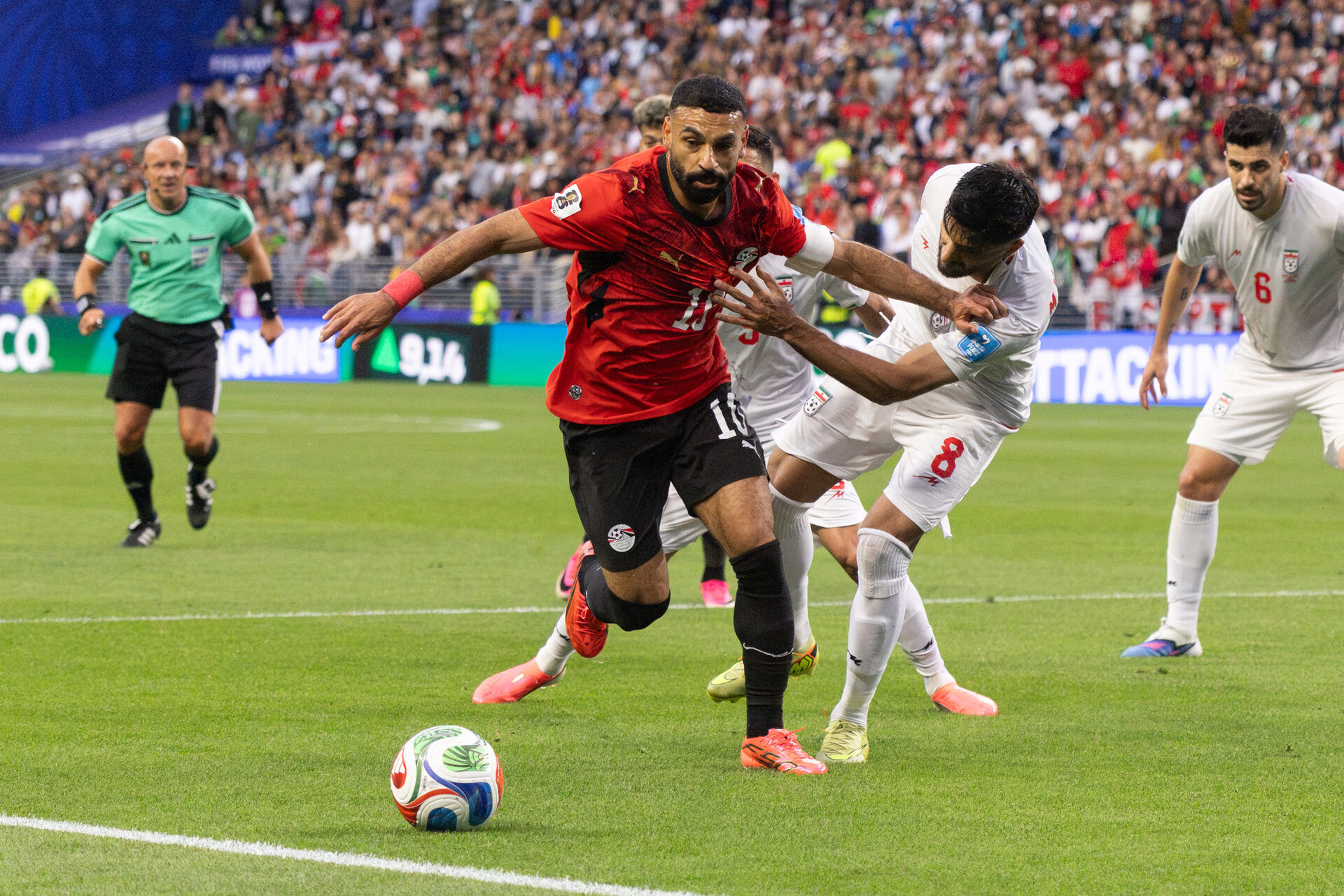
Seattle’s Lumen Field became a microcosm of global conflict and unity on June 27, 2024, as the city’s Pride Weekend collided with an emotionally charged World Cup match between Iran and Egypt. The 1-1 draw, played under a cloudy sky, was overshadowed not just by the drama on the pitch but by the political, religious, and cultural tensions that swirled around the stadium. For many spectators, the game became a symbol of FIFA’s promise of unity—or its failure to deliver—amidst a backdrop of homophobia, Islamophobia, and geopolitical hostility.
A Stadium Divided: Protests, Anthems, and Counter-Messages
Before kickoff, the streets near Lumen Field erupted in clashing chants and demonstrations. Some protesters screamed for Iranian freedom, decrying the country’s Islamic hardline government. Nearby, Palestinian supporters held signs in Pioneer Square, while Christian evangelists amplified their messages through loudspeakers. Meanwhile, LGBTQ+ activists, draped in rainbow flags and attire, moved through the crowds, embodying Seattle’s reputation as a haven for diversity—a stark contrast to the anti-LGBTQ+ laws in both Iran and Egypt.
Inside the stadium, the diversity of the crowd reflected FIFA’s stated mission of global unity. Fans wore black hijabs, rainbow scarves, golden Tutankhamun headdresses, and team jerseys, all seated side by side. The scene was a visual representation of FIFA President Gianni Infantino’s rhetoric—that soccer transcends borders. Yet, the Iranian national anthem was met with boos from a small but vocal minority, only to be drowned out by cheers as Palestinian flags waved alongside rainbow banners.
Iran’s Controversial World Cup Journey: From Diplomatic Tensions to Stadium Protests
Iran’s participation in the 2026 World Cup—co-hosted by the U.S., Canada, and Mexico—has been fraught with controversy. The team’s first two games in Los Angeles sparked divisions within the Iranian-American diaspora, particularly as the U.S. and Iran remained in a tense geopolitical standoff. The Trump administration’s 2020 bombing campaign in Iraq, which targeted Iranian-backed militias, had escalated tensions, leading to backlash at home.
Before the Seattle match, Iran’s delegation faced travel restrictions in the U.S., forcing them to relocate their training base to Tijuana, Mexico. Some players, media personnel, and fans were denied entry into the country. Iranian coach Amir Ghalenoei addressed the issue before the game:
“What these young players did should be written in history because the host country treated us unfairly.”
Jules Boykoff, a political scientist and author of Red Card: The 2026 World Cup, Sportswashing, and the FIFA Greed Machine, criticized the U.S. government’s treatment of Iran, calling it “second-class citizenship” for athletes. Boykoff, speaking from France, questioned FIFA’s hypocrisy:
“It’s hard to know where performative cruelty ends and Islamophobia begins. Iran’s treatment hardly aligns with FIFA’s claim that ‘football unites the world.’”
The U.S. military struck Iran on the same day as the match, following President Donald Trump’s accusations of a ceasefire violation in the Strait of Hormuz. This military escalation added another layer of geopolitical tension to an already charged atmosphere.
A Team Under Siege: Iran’s Struggle for Recognition
Despite the hostile environment, Iran’s team—nicknamed Team Melli—gained unexpected sympathy from global fans. Mehdi Taremi, the team’s captain, expressed frustration with U.S. travel bans:
“If they want us to be out, OK, let’s get out. We always complain, but no one helps.”
The Iranian diaspora in Seattle was deeply divided. Some, like Mansour Khajehpour, a Persian pastor in Lake Stevens, opposed supporting Iran, arguing that the country’s government was responsible for mass killings in recent protests. Khajehpour, a former revolutionary, stated:
“It is so painful to be an Iranian but not root for Iran. We had 42,000 massacred just a few months ago. These guys kicking the ball did not care.”
Others, however, defended the team’s right to compete. Rezaeian Ramin, a 36-year-old defender, acknowledged the struggles of the Iranian people but emphasized the team’s resilience:
“My people in Iran deserve more. I hope in the next few days, God sees what the players sacrifice in the game.”
The Match: Drama, Controversy, and a Missed Victory
The Iran-Egypt game was a rollercoaster of emotions, ending in a 1-1 draw that left fans disappointed but united. Iran, needing a win to advance, nearly secured victory in extra time when Shoja Khalilzadeh scored what appeared to be the game-winning goal. However, VAR (Video Assistant Referee) overturned the decision, ruling offside by millimeters.
Moments later, Saeid Ezatolahi headed the ball off the crossbar, leaving the match deadlocked. Earlier, captain Mehdi Taremi had missed a penalty kick, further frustrating Iranian fans. The team’s failure to advance—despite outplaying Egypt—highlighted their luck in a tournament where they had little control.
Pride vs. Tradition: FIFA’s Dilemma
Seattle’s World Cup organizing committee (SeattleFWC26) had intentionally scheduled the match during Pride Weekend, framing it as the “Pride Match”—a celebration of LGBTQ+ rights in a city known for its inclusivity. However, Egypt and Iran, both Muslim-majority nations, criminalize same-sex relations, leading to backlash.
The Egyptian Football Association publicly protested the Pride displays, stating in a social media post:
“It is essential to avoid activities that could trigger cultural and religious sensitivities among supporters from both Egypt and Iran, particularly as such activities conflict with the cultural and religious values of both nations.”
Peter Tomozawa, CEO of SeattleFWC26, defended the decision, emphasizing respect for local culture:
“We just ask the same of anybody visiting our country—respect our laws, cultures, and traditions. But we also stay true to ourselves.”
Roxanne Murphy, a Bremerton nurse, expressed nervousness about attending the game, given the tensions over Pride. She argued:
“Did they think they were going to catch it? I don’t know what they thought was going to happen.”
Yet, despite the political and cultural clashes, the stadium remained largely peaceful. By early Saturday morning, Egyptian fans—now knockout-stage bound—filled Pioneer Square bars, singing and dancing to Arabic music, oblivious to the global controversies that had surrounded their journey.
Conclusion: A World Cup Defined by Contradictions
The Iran-Egypt match in Seattle was more than just a soccer game—it was a microcosm of global tensions. While FIFA preaches unity, the reality of travel bans, political hostility, and cultural clashes exposed the fragility of its message. The Pride Weekend celebrations clashed with conservative values, while Iran’s presence highlighted the double standards of Western nations that condemn authoritarianism while restricting athletes’ movements.
As the 2026 World Cup continues, the Seattle match serves as a reminder that sport, politics, and culture are inextricably linked. Whether FIFA can bridge these divides remains to be seen—but for now, the stadiums remain a battleground for ideologies, identities, and the ever-elusive dream of global unity.
