
Global Health Alert: Ebola and Beyond

As the Democratic Republic of the Congo (DRC) grapples with a resurgent Ebola outbreak, the head of the World Health Organization (WHO) has issued a stark warning about the world’s vulnerability to rapidly spreading infectious diseases. Speaking at the close of the 79th World Health Assembly in Geneva, Tedros Adhanom Ghebreyesus emphasized that the simultaneous emergence of Ebola and hantavirus in recent months underscores a critical gap in global pandemic preparedness.
The DRC, which has battled multiple Ebola epidemics in the past decade, is once again at the epicenter of a crisis that threatens not only Central Africa but also global health security. The WHO chief’s remarks come at a time when the international community is still recovering from the devastating impacts of COVID-19, raising urgent questions about how prepared nations are for the next major health emergency.
Ebola’s Persistent Shadow Over Central Africa
Ebola virus disease, one of the deadliest known pathogens, has re-emerged in the DRC’s northeastern provinces, a region already burdened by conflict, displacement, and weak healthcare infrastructure. The current outbreak, declared by the DRC’s Ministry of Health in early May 2026, has spread to urban areas, increasing the risk of rapid transmission. Health officials report that the virus has claimed dozens of lives, with cases confirmed in both rural and densely populated regions.
The resurgence is particularly alarming because it follows a period of relative stability in Ebola control. After the devastating 2018–2020 outbreak in the DRC, which infected over 3,400 people and killed more than 2,200, global health authorities had hoped the worst was over. However, the virus’s ability to persist in animal reservoirs and re-emerge under favorable conditions—such as heavy rainfall, population displacement, or weakened surveillance—has once again exposed the fragility of containment efforts.
Hantavirus: An Underestimated Threat
While Ebola dominates headlines, the recent detection of hantavirus cases in Southern Africa has added another layer of concern to the continent’s health landscape. Unlike Ebola, which spreads through direct contact with bodily fluids, hantavirus is primarily transmitted via rodent excrement and urine, making it a silent but deadly threat in both rural and urban settings. The WHO has noted that outbreaks of hantavirus, though less frequently reported, can lead to severe respiratory illnesses with high fatality rates.
Experts warn that climate change and urbanization are expanding the habitats of rodents carrying hantavirus, increasing the risk of human exposure. In countries like South Africa and Zambia, health authorities have reported clusters of hantavirus infections, prompting calls for enhanced surveillance and public health education. The overlap of multiple infectious diseases in Africa highlights the need for a coordinated, multi-disease approach to pandemic preparedness.
Global Pandemic Preparedness: A Failing Grade?
Tedros Ghebreyesus’s warning at the World Health Assembly was not just about Ebola or hantavirus—it was a broader indictment of the world’s readiness for future pandemics. Despite the lessons learned from COVID-19, many nations have yet to implement the structural reforms necessary to prevent or rapidly contain outbreaks. Key weaknesses include:
- Delayed Response Times: Many countries lack the rapid-response systems needed to detect and contain outbreaks before they escalate.
- Underfunded Health Systems: Weak healthcare infrastructure in low- and middle-income countries, particularly in Africa, hampers effective disease surveillance and treatment.
- Vaccine Inequity: The unequal distribution of vaccines and medical countermeasures during the COVID-19 pandemic revealed glaring disparities in global health security.
- Insufficient Research: Limited investment in research on neglected and emerging pathogens leaves the world unprepared for diseases that could emerge suddenly.
The WHO chief stressed that pandemic preparedness must be treated as a global priority, not an afterthought. “The world cannot afford another crisis like COVID-19,” he said. “We must act now to strengthen our defenses against all infectious diseases, not just the ones that make headlines.”
Africa’s Leadership in Health Security
Despite these challenges, Africa is emerging as a leader in pandemic preparedness and response. The African Union’s African Medicines Agency and the Africa Centres for Disease Control and Prevention (Africa CDC) have been instrumental in coordinating regional efforts to combat Ebola and other outbreaks. The Africa CDC, in particular, has played a crucial role in mobilizing resources, training health workers, and deploying rapid-response teams to hotspots across the continent.
In the DRC, local health authorities have partnered with international organizations to implement innovative strategies, such as community-based surveillance and mobile testing units, to track and contain the spread of Ebola. These efforts, though commendable, highlight the need for sustained investment and support from the global community.
What’s Next for Global Health?
The WHO’s call for urgent action comes at a critical juncture. With Ebola and hantavirus outbreaks unfolding simultaneously, the risk of a larger, interconnected health crisis is growing. Governments, international organizations, and civil society must collaborate to address the root causes of these outbreaks, including poverty, conflict, climate change, and weak healthcare systems.
For Africa, this means prioritizing investment in healthcare infrastructure, strengthening disease surveillance, and ensuring equitable access to vaccines and treatments. For the global community, it means honoring commitments to pandemic preparedness, including the establishment of a global pandemic treaty and the creation of a robust early-warning system for emerging infectious diseases.
The stakes could not be higher. As Tedros Ghebreyesus noted, “The next pandemic is not a question of if, but when.” The question is whether the world will be ready when it arrives.
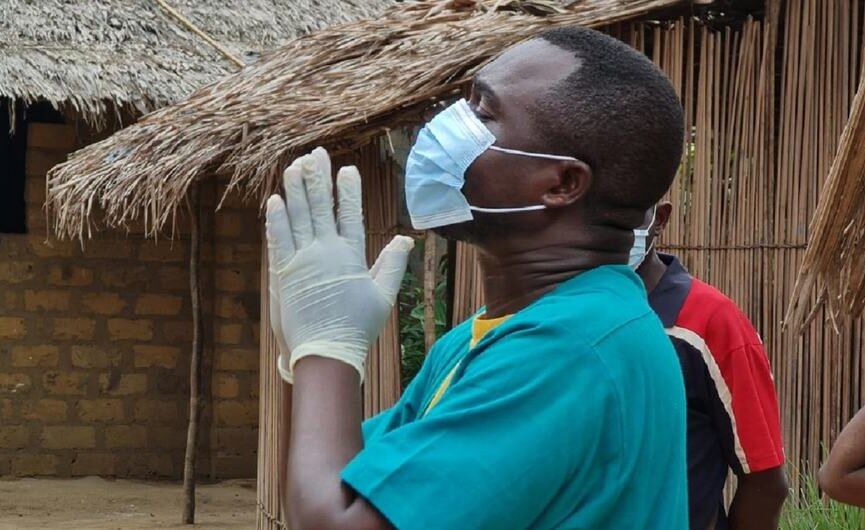
For now, the focus remains on controlling the current outbreaks and preventing the next one. In the DRC and beyond, health workers are on the front lines, risking their lives to protect communities. Their efforts are a reminder that pandemic preparedness is not just a policy issue—it is a humanitarian imperative.

Topix News Desk is a digital editorial team focused on delivering clear, timely, and useful news coverage for readers worldwide. Our reporting highlights African news with global context, including politics, business, economy, technology, health, sports, entertainment, travel, and culture. We aim to publish accessible, well-structured, and informative articles that help readers understand the stories shaping Africa and the world.