
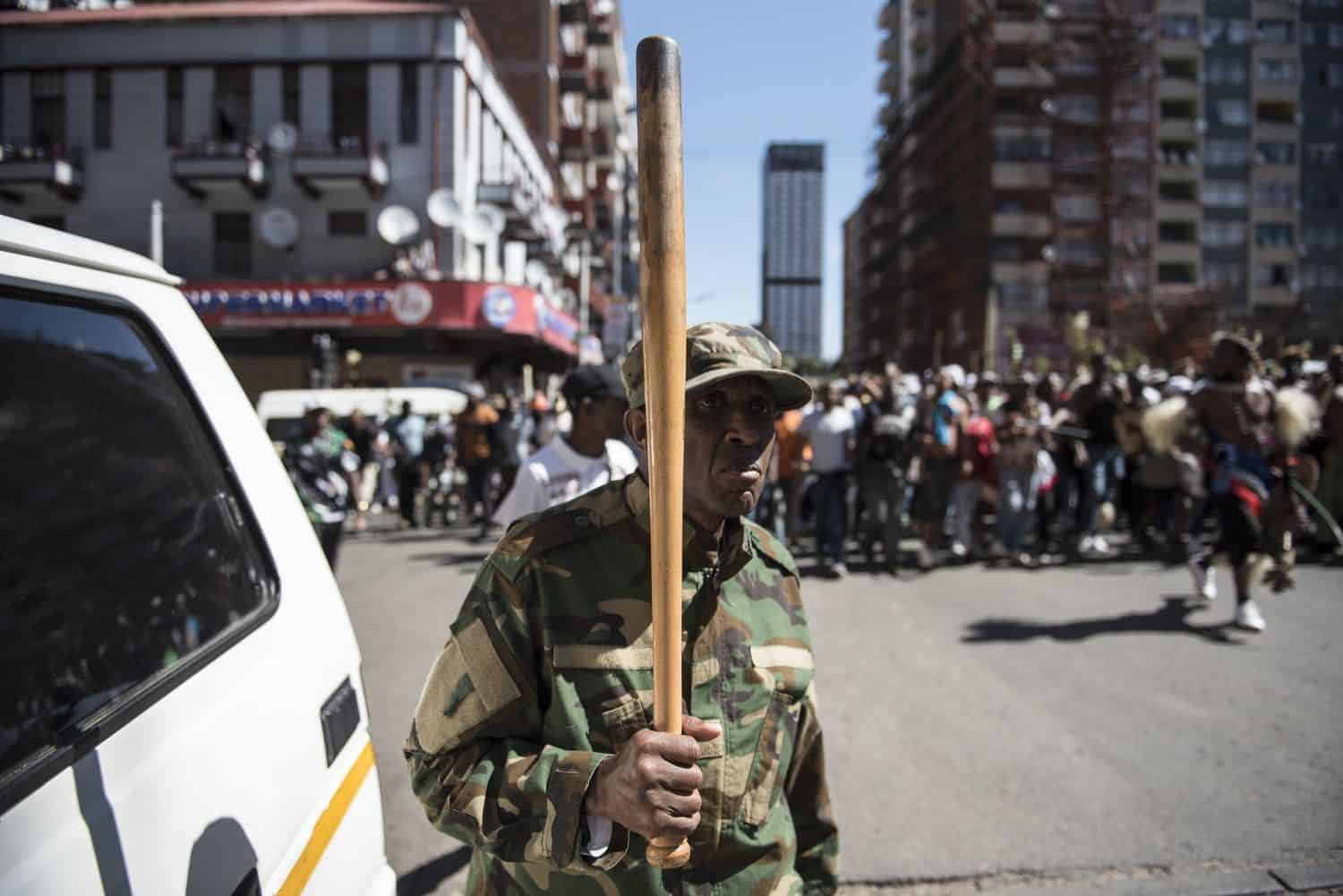
South Africa woke up to a wave of uncertainty on Sunday, 24 May 2026, as hundreds of Ghanaian nationals prepared to leave the country, citing escalating xenophobic tensions and deteriorating safety conditions. The announcement, made by Ghanaian community leaders in Johannesburg, followed a series of violent incidents targeting foreign nationals in recent weeks. Authorities have yet to comment on the development, but local immigration officials confirmed that exit permits were being processed for those seeking to return to Ghana.
Meanwhile, the African National Congress (ANC) faced fresh criticism after failing to meet a self-imposed deadline to address the controversial Phala Phala farm scandal. The party had pledged to conclude internal investigations by the end of May, but insiders reveal that key testimonies remain unheard, and key evidence has yet to be scrutinized. Opposition parties have seized on the delay, demanding transparency and accountability from President Cyril Ramaphosa’s administration. Political analysts warn that the prolonged uncertainty could further erode public trust in the ANC ahead of next year’s elections.

In a separate development, the South African Police Service (SAPS) confirmed the arrest of Captain Sibusiso Mthembu, the head of the forensic science laboratory in Durban, on charges of fraud and embezzlement. Investigators allege that Mthembu misappropriated over R5 million in state funds designated for critical forensic equipment and training programs. The arrest follows a months-long investigation by the Hawks, South Africa’s elite anti-corruption unit, which uncovered irregularities in procurement processes and falsified invoices. Mthembu’s case has been transferred to the Durban Magistrate’s Court, where he is expected to appear for a bail hearing later this week.
The forensic science lab scandal comes at a time when South Africa’s criminal justice system is under intense scrutiny. High-profile cases, including the murder of a prominent businesswoman in Cape Town and a string of unsolved cash-in-transit heists, have raised concerns about the reliability of forensic evidence. Legal experts argue that the arrest of Mthembu could further delay justice for victims, as his lab was responsible for processing DNA, ballistics, and toxicology reports for multiple high-profile cases. The SAPS has assured the public that alternative forensic services will be sourced to mitigate the impact of the disruption.
Ghanaian Nationals Seek Safe Passage Amid Rising Xenophobia
What began as isolated incidents of violence against foreign nationals in Johannesburg’s inner city has spiraled into a full-blown exodus, with Ghanaian community leaders estimating that at least 400 individuals have already secured travel documents. The decision to leave follows a series of attacks on migrant-owned businesses and homes, which have left several people injured and properties destroyed. Ghana’s High Commission in Pretoria has set up an emergency hotline to assist its citizens, while local NGOs are providing shelter and legal support to those stranded.
Interviews with departing Ghanaians reveal a mix of fear and resignation. A 32-year-old trader named Kwame, who has lived in South Africa for seven years, told reporters that he no longer feels safe sending his children to school. “The police don’t respond in time, and the attackers are never caught,” he said. “We’ve lost everything—our savings, our businesses. There’s nothing left for us here.” The South African Human Rights Commission has condemned the violence, calling it a violation of international law and urging the government to implement stronger protections for foreign nationals.
Economists warn that the departure of skilled migrants could have long-term consequences for South Africa’s economy, particularly in sectors like healthcare and construction, where Ghanaian professionals play a significant role. The Reserve Bank has yet to comment on the potential macroeconomic impact, but analysts predict a contraction in remittances and a decline in tax revenue if the trend continues.
ANC’s Phala Phala Deadline Collapses Under Scrutiny
The ANC’s failure to meet its self-imposed deadline to resolve the Phala Phala scandal has deepened political fissures within the ruling party. The controversy centers on allegations that President Ramaphosa and his allies used funds from the sale of buffalo to finance his 2017 presidential campaign. While the ANC had initially promised a full report by 31 May 2026, internal sources suggest that the investigation has been bogged down by bureaucratic delays and resistance from key figures within the party.
>
Opposition parties, including the Democratic Alliance (DA) and the Economic Freedom Fighters (EFF), have seized on the ANC’s missteps to demand Ramaphosa’s resignation. DA leader John Steenhuisen accused the president of “a blatant attempt to sweep corruption under the rug,” while EFF leader Julius Malema called for immediate impeachment proceedings. The ANC’s integrity commission, tasked with overseeing the investigation, has yet to issue a statement, fueling speculation that the party is struggling to control the narrative.
Public sentiment appears increasingly divided. A recent poll by the Institute of Race Relations found that 58% of South Africans believe Ramaphosa should step down if the allegations against him are proven true. Meanwhile, ANC loyalists argue that the delays are a result of the complexity of the case and that rushing the investigation could lead to miscarriages of justice. Political analysts caution that the scandal risks overshadowing the ANC’s policy achievements, including its handling of the COVID-19 pandemic and efforts to stabilize the energy grid.
Forensic Lab Captain’s Arrest Exposes Systemic Graft
The arrest of Captain Sibusiso Mthembu has cast a spotlight on the pervasive corruption within South Africa’s forensic science laboratories. According to court documents, Mthembu allegedly diverted funds meant for upgrading the Durban lab’s DNA sequencing equipment to purchase luxury vehicles and pay for personal travel. Investigators also allege that he colluded with private contractors to inflate invoices for forensic kits and training programs, pocketing the difference.
The scandal is the latest in a series of high-profile corruption cases involving SAPS forensic services. In 2024, a similar investigation led to the dismissal of the head of the Johannesburg forensic lab after he was caught accepting bribes from private laboratories to falsify evidence. The SAPS has since implemented stricter oversight measures, including random audits and whistleblower protections, but critics argue that these reforms are insufficient. “Corruption in the forensic labs is a direct threat to justice,” said forensic scientist Dr. Thando Nkosi. “If evidence is tampered with or delayed, innocent people go to jail, and guilty parties walk free.”
The arrest of Mthembu also raises questions about the SAPS’s ability to self-regulate. The Independent Police Investigative Directorate (IPID) has confirmed that it is reviewing the case to determine whether higher-ranking officials were complicit in the fraud. Meanwhile, the National Prosecuting Authority (NPA) has fast-tracked the case, with prosecutors aiming to secure a conviction within six months. Legal experts predict that Mthembu’s trial could set a precedent for future corruption cases within the SAPS, signaling a shift toward greater accountability.
What’s Next for South Africa?
As South Africa grapples with multiple crises, the coming weeks will be critical in determining the country’s trajectory. The exodus of Ghanaian nationals, if left unchecked, could exacerbate labor shortages and strain diplomatic relations with neighboring countries. The ANC’s handling of the Phala Phala scandal will test its commitment to transparency, while the arrest of Captain Mthembu may signal a turning point in the fight against corruption within the SAPS.
For ordinary South Africans, the events of 24 May 2026 serve as a stark reminder of the fragility of stability in a nation still healing from decades of apartheid and economic inequality. Whether the government can address these challenges without further eroding public trust remains an open question. One thing is certain: the decisions made in the coming days will shape South Africa’s future for years to come.
For real-time updates on these stories and more, follow our live coverage throughout the week.

Topix News Desk is a digital editorial team focused on delivering clear, timely, and useful news coverage for readers worldwide. Our reporting highlights African news with global context, including politics, business, economy, technology, health, sports, entertainment, travel, and culture. We aim to publish accessible, well-structured, and informative articles that help readers understand the stories shaping Africa and the world.