
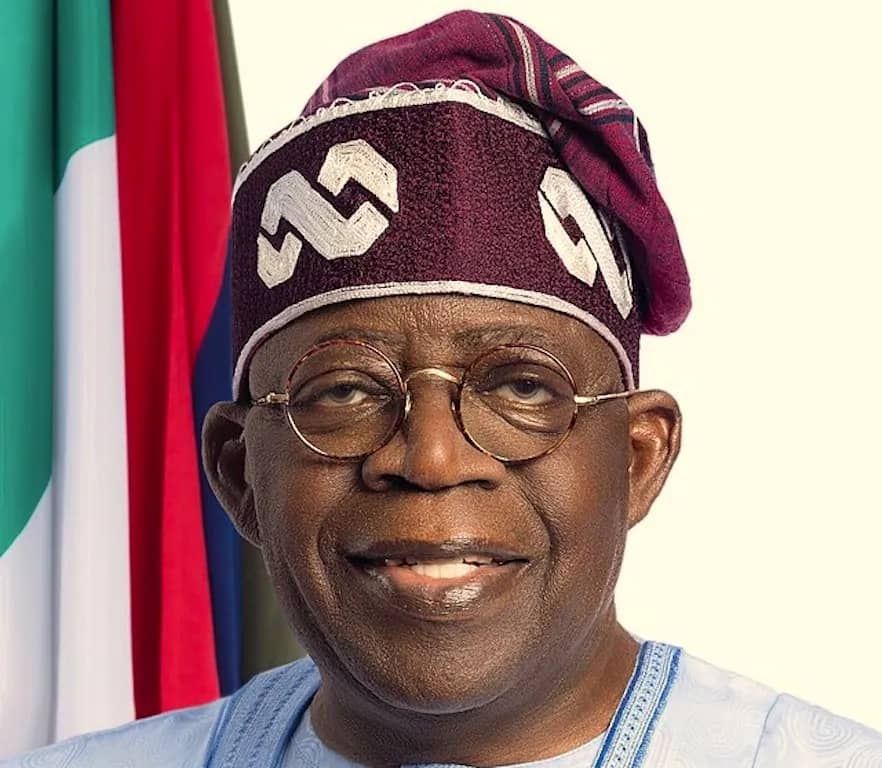
Three years ago, Nigeria stood at a crossroads. The nation’s economic pulse was weak, its currency fluctuated wildly, and citizens grappled with the crushing weight of fuel subsidies that drained public coffers while doing little to ease daily hardships. Today, under President Bola Tinubu’s administration, that narrative is being rewritten—not without controversy, but with a clarity that demands attention. As Africa’s most populous country and its largest economy turns a new chapter, the question isn’t just what has changed, but how these shifts are reverberating across the continent and beyond.
Tinubu’s tenure has been nothing short of a high-stakes experiment in economic shock therapy. His administration’s boldest moves—removing fuel subsidies in one fell swoop and unifying Nigeria’s fractured exchange rates—have sent shockwaves through markets, households, and international boardrooms. Critics warn of short-term pain; supporters argue the long-term gains are already visible. But what do the numbers say? And more importantly, what do they mean for the millions of Nigerians who have lived through the turbulence?

Economic Reforms: From Subsidy Dependence to Fiscal Discipline
The removal of fuel subsidies in May 2023 was a gamble that sent petrol prices soaring overnight. For decades, Nigerians had grown accustomed to artificially low fuel costs, a policy that masked deeper economic distortions. When Tinubu scrapped the subsidy, the immediate reaction was panic. Long queues snaked at filling stations. Protests erupted. Yet, within months, the dust began to settle. The government redirected billions previously lost to subsidies into critical infrastructure, healthcare, and social programs. The harmonization of the naira’s exchange rate followed, dismantling a parallel market that had thrived on arbitrage and corruption.
Critics argue the reforms hit the poor hardest. Inflation surged, eroding purchasing power. Small businesses struggled with higher operational costs. But proponents point to a silver lining: Nigeria’s debt-to-GDP ratio has stabilized, foreign reserves are climbing, and international investors are returning. The World Bank and IMF, often skeptical of such drastic measures, have acknowledged Nigeria’s efforts to curb fiscal deficits. The question now is whether these gains can be sustained—or if the political backlash will force a retreat.
The reforms have also forced a reckoning with Nigeria’s reliance on imports. From food to pharmaceuticals, the country’s dependence on foreign goods has exposed vulnerabilities. Tinubu’s push for local production—through policies like the Presidential Conditional Grant Scheme—aims to reverse this trend. Early indicators show a modest uptick in domestic manufacturing, though the road to self-sufficiency remains long and arduous.
The Human Cost: Voices from the Streets
Behind the macroeconomic charts are the faces of ordinary Nigerians. In Lagos, market traders like Amina Yusuf recount how the removal of subsidies initially crippled her business. “Prices doubled overnight,” she says. “But now, I see more trucks bringing goods from the north. Maybe things will get better.” Her optimism is cautious, tempered by years of broken promises. In Kano, a mechanic shop owner, Ibrahim Bello, admits the naira’s stability has made it easier to import spare parts—but warns that without jobs, the reforms feel hollow. “We need factories, not just policies,” he argues.
The government’s social investment programs, including the Renewed Hope Initiative, have provided some relief. Millions of vulnerable Nigerians now receive conditional cash transfers, school feeding programs, and microloans. Yet, the scale of need remains staggering. In the Niger Delta, where oil wealth has long bypassed local communities, youth unemployment fuels unrest. Tinubu’s administration has pledged to revitalize the region, but tangible progress is slow. The disconnect between policy announcements and ground reality is a recurring theme in Nigeria’s governance.
Security and Governance: A Fragile Balance
No economic reform can succeed in a climate of instability. Tinubu inherited a nation grappling with insurgencies, banditry, and separatist agitations. His approach has been a mix of military pressure and dialogue. The government’s surrender-and-rehabilitation program for former Boko Haram fighters has yielded mixed results. While some insurgents have laid down arms, others have regrouped under new banners. In the northwest, bandit gangs continue to terrorize villages, despite a heavy military presence.
The president’s relationship with Nigeria’s security chiefs has been tense. Frequent reshuffles in the defense and intelligence sectors reflect a search for effective leadership. Yet, the root causes of insecurity—poverty, unemployment, and weak governance—persist. The recent appointment of a new national security adviser signals a renewed focus on intelligence-led operations, but analysts caution that without addressing underlying grievances, security gains will be fleeting.
On the political front, Tinubu has navigated a delicate balance between consolidating power and maintaining democratic norms. His party, the All Progressives Congress (APC), has faced internal fractures, with some governors openly criticizing his policies. The opposition, led by the Peoples Democratic Party (PDP), has seized on economic hardships to rally support. Yet, Tinubu’s political acumen—honed over decades in Lagos politics—has kept him firmly in control. His ability to outmaneuver rivals while pushing through contentious reforms has earned him both admiration and scorn.
Infrastructure and Energy: The Long Shadow of Neglect
Nigeria’s infrastructure deficit is a national embarrassment. Decades of underinvestment have left roads crumbling, railways dysfunctional, and electricity grids unreliable. Tinubu’s administration has prioritized infrastructure, launching the Nigeria Infrastructure Debt Fund and partnering with private investors to revive key projects. The Lagos-Ibadan expressway, once a symbol of decay, is now nearing completion after decades of delays. The 4G broadband rollout, though uneven, has expanded internet access to rural areas for the first time.
Yet, the energy sector remains a glaring weak spot. Despite Nigeria’s vast oil and gas reserves, power outages are a daily reality for most citizens. The government’s plan to privatize the electricity distribution companies has stalled, bogged down by legal challenges and investor skepticism. Renewable energy projects, particularly solar, offer a glimmer of hope. The Nigerian Electrification Project aims to connect 25 million people to off-grid power by 2025. But scaling these initiatives requires billions in investment—and a level of stability that Nigeria has struggled to maintain.
The administration’s push for gas-to-power initiatives is another gamble. Nigeria is rich in natural gas, yet flaring and underutilization have wasted this resource. Tinubu’s plan to convert flared gas into electricity could unlock new revenue streams while reducing carbon emissions. Early pilots in the Niger Delta show promise, but the project’s success hinges on overcoming bureaucratic inertia and corruption.
Diplomacy and Pan-African Leadership
Africa’s largest economy cannot thrive in isolation. Tinubu’s foreign policy has sought to reposition Nigeria as a continental leader, balancing relations with the West, China, and emerging powers like India and Turkey. His administration has played a key role in mediating conflicts in West Africa, from the coup in Niger to the simmering tensions in Burkina Faso. Nigeria’s leadership in the Economic Community of West African States (ECOWAS) has been particularly notable, with Tinubu pushing for a unified stance on regional security and economic integration.
Economically, Tinubu has courted foreign investors with mixed success. His administration signed a $3.3 billion deal with the African Export-Import Bank to stabilize the naira, a move that drew praise from multilateral institutions. Yet, skepticism lingers. Foreign businesses remain wary of Nigeria’s regulatory unpredictability and infrastructure gaps. The government’s efforts to improve the ease of doing business have yielded incremental gains, but a true business-friendly environment remains elusive.
On the global stage, Tinubu has positioned Nigeria as a voice for the Global South. His speeches at the United Nations and African Union forums have highlighted the continent’s potential while condemning unfair trade practices and climate injustice. Yet, translating rhetoric into tangible benefits for Nigerians has proven difficult. The recent debt restructuring deal with the Paris Club, which freed up billions in savings, was a rare win—but one that critics argue could have been achieved sooner.
What’s Next? The Road Ahead for Tinubu’s Nigeria
Three years into his presidency, Tinubu’s legacy hangs in the balance. The economic reforms have laid a foundation, but the structure is still fragile. Inflation, though easing, remains stubbornly high. Unemployment, particularly among youth, is a ticking time bomb. The government’s ambitious plans—from the Lagos-Calabar coastal railway to the proposed new capital in Abuja—are years away from completion. Meanwhile, the 2027 elections loom, and the political temperature is rising.
The president faces a critical choice: double down on reform or pivot to populist measures to secure his political future. His allies argue that the pain of adjustment is necessary for long-term prosperity. His detractors insist the reforms have deepened inequality. The truth likely lies somewhere in between. Nigeria’s challenges are systemic, requiring decades of consistent policy—not quick fixes.
For Africa, Tinubu’s experiment is a case study in bold leadership. If successful, it could serve as a model for other nations grappling with economic stagnation. If it fails, the consequences will ripple across the continent, reinforcing the narrative of African governance as a cycle of promise and disappointment. The world is watching. But for now, the verdict is still out.
- Nigeria’s debt-to-GDP ratio has stabilized under Tinubu’s reforms, though public debt remains high.
- The naira’s unification has reduced black-market distortions but increased pressure on households.
- Security challenges persist, with banditry and insurgencies requiring long-term solutions beyond military action.
- Infrastructure projects like the Lagos-Ibadan expressway show progress, but Nigeria’s power crisis remains unresolved.
- Nigeria’s role in West African diplomacy has strengthened, but economic recovery depends on investor confidence.
As Africa’s most populous nation charts its course, the world’s gaze is fixed on Abuja. The reforms of the past three years have set Nigeria on a new path—but the journey is far from over. For Tinubu, the challenge is not just to survive the next three years, but to ensure his legacy endures long after he leaves office. For Nigerians, the hope is that this chapter of disruption will lead to a future of stability, prosperity, and pride.
Copyright notice: Images and source material are credited to their respective owners/source (original source where available). If you are the copyright owner and want an image or content removed, please contact us at topix.news/contact-us; we will review and remove it promptly.

Topix News Desk is a digital editorial team focused on delivering clear, timely, and useful news coverage for readers worldwide. Our reporting highlights African news with global context, including politics, business, economy, technology, health, sports, entertainment, travel, and culture. We aim to publish accessible, well-structured, and informative articles that help readers understand the stories shaping Africa and the world.