
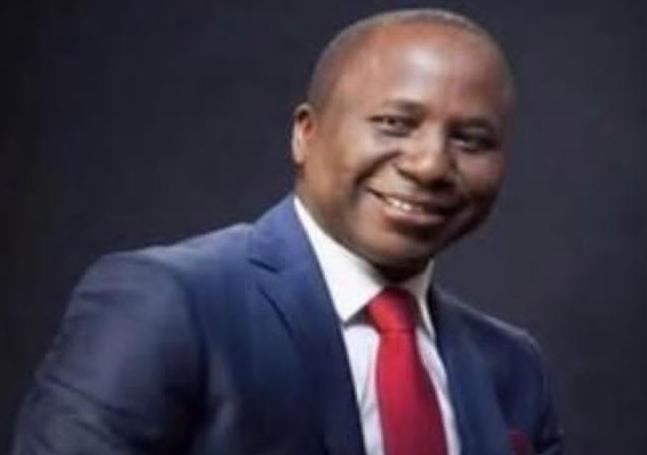
In a move that underscores the growing academic and cultural bridges between Africa and Europe, a distinguished Nigerian scholar and former legislator has been appointed to lead a key Polish institution dedicated to African affairs. The announcement, made by the University of Communication and Management (WSKiZ) in Poznań, Poland, marks a significant milestone in international educational collaboration, one that could reshape how African studies are approached in Eastern Europe.
The newly appointed director, Professor Stephen Sinikiem Azaiki, brings with him a wealth of experience in academia and public service, having previously served as a lawmaker in Nigeria’s National Assembly. His leadership at the Centre for Polish and African Affairs (CPAA) is expected to foster deeper research partnerships, student exchanges, and policy dialogues between the two continents.

But why does this appointment matter beyond the walls of a Polish university? For decades, African studies in Europe have been dominated by Western institutions, often shaping narratives and research agendas with limited input from African scholars. Azaiki’s appointment signals a shift—a recognition that African perspectives must take center stage in discussions about the continent’s future, its challenges, and its potential. It’s not just about filling a position; it’s about redefining who gets to speak for Africa on the global stage.
From Nigeria’s Parliament to Poland’s Lecture Halls
Professor Azaiki’s journey from the bustling corridors of Nigeria’s National Assembly to the serene campuses of Poznań is a story of intellectual migration and public service. Born in the heart of Nigeria’s Middle Belt, a region known for its cultural diversity and historical significance, Azaiki has spent decades navigating the intersections of law, policy, and education. His work in Nigeria’s legislature was marked by a commitment to youth empowerment and rural development, themes that now resonate in his new role.
The Centre for Polish and African Affairs, where he now serves as director, is more than just an academic department—it’s a hub for research, dialogue, and collaboration. Established to bridge gaps between Poland and Africa, the CPAA has become a vital platform for scholars, policymakers, and students from both continents. Under Azaiki’s leadership, the centre is poised to expand its reach, with plans to launch joint research projects, host international conferences, and develop exchange programs that bring African students to Poland and Polish students to Africa.
“This is not just a personal achievement,” Azaiki said in a statement released by the university. “It’s a testament to the growing importance of African voices in global academia. We are entering an era where African scholars are not just participants in international discussions but leaders shaping them.”

A New Era for African Studies in Eastern Europe
The appointment of an African scholar to lead a Polish institution focused on African affairs is a rarity. Historically, African studies in Europe have been concentrated in Western universities, where colonial legacies and institutional inertia have often dictated the narrative. Eastern Europe, with its distinct historical and political context, has lagged behind in this field—until now.
The CPAA’s mission aligns with a broader trend: the globalisation of African studies. Institutions across Europe and beyond are recognising the need to move beyond outdated stereotypes and engage with Africa on its own terms. Azaiki’s appointment is a step toward that goal, one that could inspire similar initiatives in other Eastern European countries. The centre’s work will likely include research on migration, economic development, and cultural exchange, all areas where African and Polish perspectives can enrich each other.
But the significance of this appointment extends beyond academia. It reflects a broader shift in how the world views Africa—not as a monolithic entity defined by poverty or conflict, but as a continent of diverse cultures, innovations, and intellectual traditions. By placing an African scholar at the helm of a Polish centre, WSKiZ is sending a clear message: Africa’s story is not just to be studied; it is to be led.
For students in Poland and across Africa, this could be a game-changer. Imagine Polish undergraduates studying African literature under an African professor, or African PhD candidates conducting fieldwork in Poland with the support of a dedicated research centre. The possibilities are endless—and they are only beginning to unfold.
Challenges and Opportunities Ahead
Of course, leading an institution like the CPAA won’t be without its challenges. Funding constraints, bureaucratic hurdles, and the sheer scale of the work ahead are all real concerns. But Azaiki’s background suggests he is no stranger to navigating complex systems. His time in Nigeria’s National Assembly, where he championed youth empowerment and rural development, demonstrates his ability to turn vision into action.
One of the centre’s immediate priorities will be to secure partnerships with African universities and research institutions. Collaborations with institutions in Nigeria, South Africa, Kenya, and beyond could provide the foundation for groundbreaking research. Imagine joint projects on climate change, digital innovation, or post-colonial studies—topics where African and Polish scholars can contribute equally valuable insights.
There’s also the question of public engagement. Azaiki’s leadership could help demystify Africa for Polish audiences, breaking down stereotypes and fostering genuine cultural exchange. The centre could organise film screenings, art exhibitions, and public lectures that showcase Africa’s rich heritage and contemporary dynamism. In a world where misinformation about Africa often spreads faster than facts, such initiatives are more important than ever.
“Knowledge is power, but only if it’s shared,” Azaiki noted in a recent interview. “Our goal is to make African studies accessible, relevant, and engaging—not just for academics, but for everyone.”
What This Means for Africa and the World
The ripple effects of Azaiki’s appointment could be felt far beyond Poznań. For African scholars, it’s a reminder that their expertise is in demand globally—a validation of decades of work in underfunded and underappreciated institutions. For Poland, it’s an opportunity to position itself as a leader in African studies, a field that is increasingly critical in a world shaped by migration, trade, and geopolitical shifts.
Globally, this move could encourage other institutions to rethink their approach to African studies. Why should African narratives be dictated by scholars from outside the continent? Why should African universities remain on the periphery of global academic discourse? Azaiki’s appointment challenges these norms, offering a model for how international collaboration can—and should—work.
There’s also the symbolic weight of the appointment. In a year when global headlines are dominated by conflicts, economic crises, and political upheavals, Azaiki’s leadership at the CPAA is a quiet but powerful statement: Africa is not just a subject of study or a source of resources. It is a partner, a leader, and a voice that deserves to be heard.
Looking to the Future: A Shared Vision
What might the next few years look like under Azaiki’s leadership? The possibilities are as vast as the continent he represents. Here’s a glimpse of what could unfold:
- Expanding Research Networks: The CPAA could become a hub for joint research projects, bringing together scholars from Poland, Nigeria, and other African countries to tackle pressing issues like climate change, healthcare, and digital transformation.
- Student and Faculty Exchanges: New exchange programs could allow Polish students to study in Africa while African students gain access to Poland’s academic resources. These exchanges could include language immersion, internships, and fieldwork opportunities.
- Cultural Diplomacy: The centre could host festivals, film screenings, and art exhibitions that celebrate Africa’s diversity. Such initiatives would not only enrich Polish culture but also foster deeper people-to-people connections.
- Policy Dialogues: By convening policymakers, academics, and civil society leaders, the CPAA could become a think tank for African-Polish relations, offering evidence-based recommendations on trade, migration, and development.
- Digital Engagement: In an era where information spreads instantly, the CPAA could launch a digital platform to share research, host webinars, and connect scholars across continents. This would ensure that the centre’s work reaches a global audience.
The appointment of Professor Azaiki is more than a personnel change—it’s a turning point. It signals a future where African scholars are not just participants in global conversations but architects of them. It’s a future where institutions like the CPAA play a pivotal role in shaping narratives, fostering collaboration, and building bridges between continents.
As Azaiki steps into his new role, the world will be watching. Not just to see what he accomplishes, but to witness how this experiment in academic leadership could redefine the relationship between Africa and Europe. One thing is certain: the story of African studies in Eastern Europe is only just beginning.
For now, the focus is on the work ahead. But if this appointment is any indication, the Centre for Polish and African Affairs is poised to become a beacon of innovation, collaboration, and intellectual rigor—one that places African voices at its core. And that is a development worth watching.
The journey of Professor Stephen Sinikiem Azaiki, from the halls of Nigeria’s parliament to the lecture theatres of Poznań, is more than a personal triumph. It’s a testament to the power of education, the importance of representation, and the endless possibilities that arise when the world stops talking about Africa—and starts listening to it.
Copyright notice: Images and source material are credited to their respective owners/source (original source where available). If you are the copyright owner and want an image or content removed, please contact us at topix.news/contact-us; we will review and remove it promptly.

Topix News Desk is a digital editorial team focused on delivering clear, timely, and useful news coverage for readers worldwide. Our reporting highlights African news with global context, including politics, business, economy, technology, health, sports, entertainment, travel, and culture. We aim to publish accessible, well-structured, and informative articles that help readers understand the stories shaping Africa and the world.