
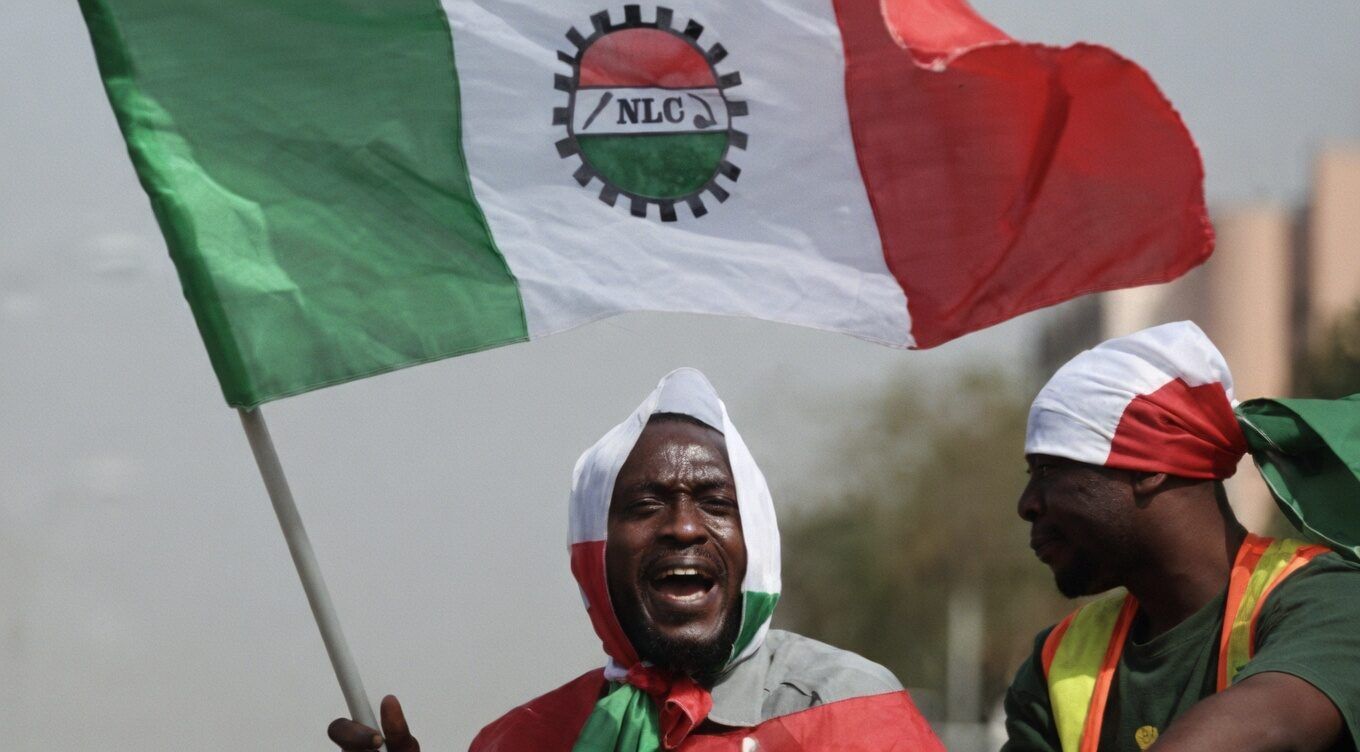
Across Nigeria’s bustling cities and quiet villages, a quiet revolution is unfolding—one that could redefine the future of the country’s workforce and the lives of its most vulnerable citizens. On a sweltering afternoon in Ibadan, the heart of Oyo State, the Nigerian Labour Congress (NLC), the Trade Union Congress (TUC), and the Trade Union Movement of Nigeria (TMN) will unveil the Labour Institute Nigeria, a groundbreaking institution poised to tackle some of the nation’s most pressing challenges. From eradicating child labour to shaping robust labour policies, this initiative arrives at a critical juncture, when Nigeria’s economic and social fabric hangs in the balance.
The stakes could not be higher. Nigeria, Africa’s most populous nation, grapples with deep-seated issues that extend far beyond its booming oil sector or its vibrant cultural exports. Behind the headlines of political turbulence and economic growth lies a shadow economy—one where children as young as five toil in hazardous conditions, where families survive on wages that barely cover a meal, and where the promise of a dignified life remains elusive for millions. The Labour Institute Nigeria isn’t just another policy announcement; it’s a lifeline, a bold declaration that the nation’s labour leaders are ready to confront these crises head-on.

Why This Institute Matters: A Fight Against Exploitation and Neglect
The Labour Institute Nigeria arrives at a time when Nigeria’s labour landscape is more fractured than ever. While the country’s GDP has grown, the benefits have not trickled down evenly. In the shadows of Lagos’ skyscrapers and Kano’s ancient markets, children as young as six are found working in brick kilns, quarries, and domestic service—jobs that rob them of their childhood, their education, and, often, their health. According to recent estimates, over 15 million Nigerian children are engaged in child labour, a statistic that places the nation among the worst globally for such exploitation.
But the Labour Institute isn’t just about numbers or policy jargon. It’s about real lives. Take the story of Aisha, a 12-year-old girl from a village near Ibadan, who was rescued last year from a local cocoa farm where she was working 12-hour days for a pittance. Her story is not unique. Across the country, thousands of children like Aisha are trapped in cycles of poverty and exploitation, their futures dimmed by forces beyond their control. The Labour Institute aims to break these cycles by providing education, vocational training, and advocacy for those who have been silenced for too long.
The institute’s launch coincides with a series of high-profile protests and rallies, including a candlelight vigil in Ibadan to draw attention to the plight of kidnapped children in the region. These events are not merely symbolic; they are a clarion call to the nation. The Labour Institute will serve as a hub for research, policy development, and community engagement, equipping labour leaders, policymakers, and grassroots activists with the tools they need to drive change. Its mission is twofold: to strengthen Nigeria’s labour policies and to ensure that no child is left behind in the pursuit of economic progress.

From Policy to Action: How the Institute Will Reshape Nigeria’s Workforce
The Labour Institute Nigeria is not an isolated effort. It is the culmination of years of advocacy by Nigeria’s labour unions, which have long fought for workers’ rights, fair wages, and safer working conditions. The NLC, TUC, and TMN have joined forces to create an institution that will not only train the next generation of labour leaders but also influence national policy. The institute’s curriculum will focus on three core pillars: policy development, leadership training, and community mobilization.
First, the institute will serve as a think tank for labour policy. Nigeria’s labour laws are outdated, often failing to protect workers in the informal sector, which employs over 80% of the workforce. The Labour Institute will collaborate with academics, economists, and policymakers to draft modern, enforceable laws that address the realities of Nigeria’s labour market. This includes protections for gig workers, fair wages for domestic staff, and stricter penalties for employers who exploit child labour.
Second, the institute will offer leadership training for union members and community activists. Nigeria’s labour unions have historically been powerful forces for change, but their effectiveness has been hampered by a lack of institutional support and training. The Labour Institute will provide workshops on negotiation, advocacy, and organizational management, ensuring that union leaders are equipped to negotiate with employers and government officials on equal footing. This training will extend beyond urban centers, reaching rural communities where labour rights are often ignored.
Third, the institute will prioritize community mobilization. Labour rights cannot be achieved in a vacuum. The Labour Institute will work with local organizations to educate communities about their rights, empower women and marginalized groups, and create networks of support for workers. This grassroots approach is critical in a country where many labour violations go unreported due to fear, ignorance, or corruption.
The institute’s work will not be confined to policy papers or training sessions. It will also serve as a watchdog, monitoring labour conditions across the country and holding both public and private sector employers accountable. This proactive stance is essential in a nation where enforcement of labour laws is often lax, and where workers’ rights are frequently sacrificed for economic growth.

The Candlelight Vigil: A Moment of Unity and Defiance
No launch would be complete without a call to action, and the Labour Institute’s unveiling will be accompanied by a candlelight vigil in Ibadan. The event, organized in partnership with local NGOs and community leaders, will honour the victims of child abduction and labour exploitation while demanding justice for those still trapped in these cycles. The vigil is a stark reminder that behind every statistic is a human story—one of loss, resilience, and hope for a better future.
The vigil will also serve as a platform for survivors of child labour and abduction to share their stories. These narratives are powerful tools for advocacy, shattering the anonymity of exploitation and forcing policymakers to confront the human cost of inaction. For many attendees, the event will be a rare moment of solidarity, a chance to stand together against the forces that seek to keep Nigeria’s most vulnerable citizens in the shadows.
The Labour Institute’s leaders have made it clear: this is not just about raising awareness. It’s about creating a movement. The vigil is the first step in a broader campaign to pressure the government to prioritize labour rights and child protection. It’s a message to Nigeria’s leaders that the time for empty promises is over—that the people demand action, not just words.
Challenges Ahead: Can the Institute Deliver on Its Promise?
While the Labour Institute Nigeria represents a monumental step forward, its success is not guaranteed. Nigeria’s labour landscape is fraught with challenges, from political interference to economic instability. The institute will need to navigate these obstacles carefully, ensuring that its work remains independent and focused on its core mission.
One of the biggest hurdles will be funding. While the NLC, TUC, and TMN have committed to supporting the institute, sustainable financing will be critical. The institute will need to attract grants, partnerships with international organizations, and donations from private sector allies who believe in its mission. Without adequate resources, the institute risks becoming another underfunded initiative lost in the bureaucracy of Nigeria’s public sector.
Another challenge will be gaining the trust of the communities it aims to serve. Many Nigerians, especially in rural areas, are skeptical of government-led initiatives, having been let down by past promises. The Labour Institute will need to demonstrate tangible results quickly—whether through successful policy changes, rescued children, or improved working conditions—to build credibility and momentum.
Finally, the institute will face resistance from powerful interests. Employers who rely on child labour or underpaid workers will not welcome stricter regulations. Political leaders may see the institute as a threat to their influence. Overcoming this resistance will require strategic alliances, public pressure, and unwavering commitment to the institute’s principles.
Yet, despite these challenges, the Labour Institute Nigeria offers a glimmer of hope. It is a testament to the power of collective action, a reminder that change is possible when communities, unions, and leaders come together. The institute’s success will depend not just on its leaders, but on the support of everyday Nigerians who refuse to accept the status quo.
What’s Next for Nigeria’s Labour Movement?
The unveiling of the Labour Institute Nigeria is more than a single event—it’s the beginning of a new chapter for the country’s labour movement. In the coming months, the institute will roll out its programs, from policy research to community workshops, and begin to measure its impact. The early signs are promising, with labour leaders already calling for a national summit on child labour and a review of Nigeria’s labour laws.
For Aisha and thousands like her, the Labour Institute represents a lifeline. For Nigeria’s labour unions, it is a tool for reclaiming their role as champions of workers’ rights. And for the nation as a whole, it is a chance to confront its most pressing challenges with courage and conviction.
The road ahead will not be easy. But if the Labour Institute Nigeria succeeds, it could set a precedent not just for Nigeria, but for the entire continent. It could prove that when labour leaders, policymakers, and communities unite, they can rewrite the rules of the game—one where dignity, fairness, and justice are not just ideals, but realities.
The time for action is now. The Labour Institute Nigeria is ready to lead the charge.
Key Takeaways: What You Need to Know About the Labour Institute Nigeria
- Mission: To combat child labour, strengthen labour policies, and empower workers across Nigeria through education, advocacy, and research.
- Founding Partners: Nigerian Labour Congress (NLC), Trade Union Congress (TUC), and Trade Union Movement of Nigeria (TMN).
- Core Focus Areas:
- Policy development for modern labour laws.
- Leadership training for union members and activists.
- Community mobilization to raise awareness and enforce rights.
- Upcoming Events: Candlelight vigil in Ibadan to highlight child abduction and labour exploitation, followed by a national summit on labour reform.
- Challenges: Funding, community trust, and resistance from powerful interests.
- Impact: A potential model for labour reform across Africa, offering a blueprint for other nations grappling with similar issues.
A Call to Arms: How You Can Support the Labour Institute’s Mission
The Labour Institute Nigeria cannot succeed alone. Its impact will depend on the support of individuals, organizations, and communities who believe in its mission. Here’s how you can get involved:
- Spread the Word: Share the institute’s initiatives on social media, using hashtags like #LabourInstituteNG and #EndChildLabourInNigeria to amplify its reach.
- Donate: Contribute to the institute’s funding efforts through its partner organizations or crowdfunding campaigns.
- Advocate: Contact your local representatives or labour unions to express support for the institute’s goals and demand policy changes.
- Volunteer: Offer your skills—whether in policy research, community outreach, or digital advocacy—to help the institute achieve its objectives.
- Stay Informed: Follow the Labour Institute’s progress through its official channels and attend its events to show your solidarity.
The Labour Institute Nigeria is more than an institution—it’s a movement. And movements are only as strong as the people who believe in them. By standing with the institute, you’re not just supporting a cause; you’re helping to shape the future of Nigeria’s workforce and the lives of its most vulnerable citizens.
Copyright notice: Images and source material are credited to their respective owners/source (original source where available). If you are the copyright owner and want an image or content removed, please contact us at topix.news/contact-us; we will review and remove it promptly.

Topix News Desk is a digital editorial team focused on delivering clear, timely, and useful news coverage for readers worldwide. Our reporting highlights African news with global context, including politics, business, economy, technology, health, sports, entertainment, travel, and culture. We aim to publish accessible, well-structured, and informative articles that help readers understand the stories shaping Africa and the world.