

The shadows of Oyo State’s hinterlands have grown darker. Beneath the flickering glow of streetlights in Ibadan’s sleepy neighborhoods, whispers slither through the night—not of distant thunder, but of a more sinister kind of storm. For months, kidnapping syndicates have tightened their grip on the region, snatching students from school buses and farmers from their fields with chilling precision. Now, a senior political figure has thrown down a gauntlet, demanding answers that could unravel a web of influence stretching from Abuja to the state’s dusty roads.
On a Tuesday when the sun hung heavy over Lagos, Atiku Abubakar’s media aide, Paul Ibe, made a startling call to action. Speaking to journalists outside the former vice-president’s Wuse office, Ibe urged Nigeria’s security agencies to interrogate activist-turned-fugitive Sunday Igboho over explosive allegations that certain politicians are bankrolling the kidnapping epidemic in Oyo. The claim isn’t just another political grenade tossed into the fray—it’s a direct accusation that, if proven, could expose the rot within Nigeria’s fragile security architecture.

The timing of Ibe’s statement is no coincidence. Just days earlier, Igboho had surfaced in a viral video, pointing fingers at unnamed political godfathers he claimed were orchestrating the abductions to destabilize the state ahead of next year’s elections. His words carried the weight of a man who has spent years in the trenches of Nigeria’s ethnic and political conflicts. But this time, the stakes are higher. If Igboho’s allegations hold water, they could expose a conspiracy that implicates not just local thugs, but figures with the power to shape Nigeria’s future.
Oyo’s Kidnapping Crisis: A State Under Siege
Oyo State, once a bastion of relative calm in Nigeria’s turbulent southwest, has become a battleground. In the past six months alone, over 40 schoolchildren have been abducted from their buses, with ransom demands soaring into the millions. The most brazen attack occurred in May, when gunmen stormed a school bus near Ogbomoso, snatching 12 students. The victims were released after three days—but not before their families emptied their savings to secure their freedom. The trauma lingers. Parents now whisper about “ghost buses,” phantom vehicles that prowl the highways, waiting for the next prey.
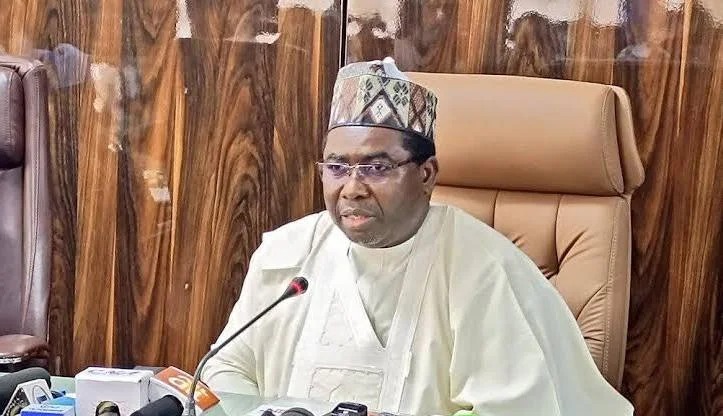
Security analysts warn that the kidnapping surge is no random crime wave. It’s a calculated strategy, they say, designed to cripple the state’s economy and erode public trust in government. “This isn’t just about money anymore,” explained a retired police commissioner who requested anonymity. “It’s about power. If these syndicates are being funded by politicians, then we’re looking at a situation where elections could be decided by bullets, not ballots.”
The state government, led by Governor Seyi Makinde, has scrambled to respond. A new anti-kidnapping squad, equipped with drones and rapid-response vehicles, was deployed last month. Yet the abductions continue. Critics argue that without addressing the root causes—corruption, unemployment, and the porous borders that allow criminals to move freely—the state’s efforts are like trying to douse a wildfire with a spray bottle.
Sunday Igboho: From Activist to Accused?
Sunday Adeyemo, popularly known as Sunday Igboho, cut his teeth as a Yoruba separatist agitator, clashing with authorities over the perceived marginalization of the southwest. His fiery rhetoric and confrontations with security forces earned him both admirers and enemies. But his latest claims have shifted the narrative entirely. In a series of videos posted online, Igboho alleged that a cabal of politicians in Oyo State is bankrolling kidnapping rings to destabilize the region and justify a heavy-handed military crackdown—one that could conveniently silence opposition voices ahead of the 2027 elections.
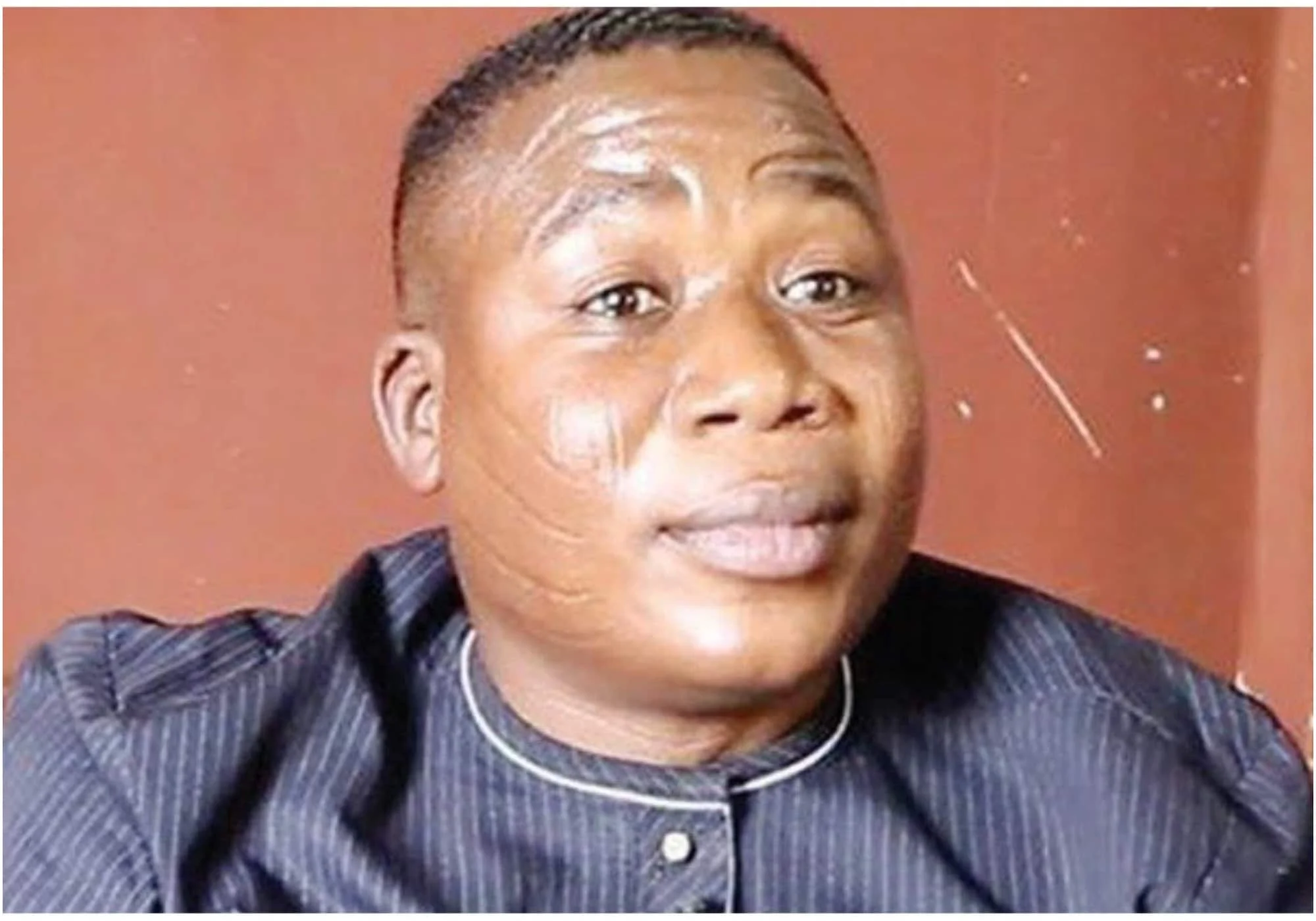
Igboho’s accusations are not without precedent. In 2021, he was arrested in Benin Republic on charges of terrorism and illegal possession of firearms, though he was later released without trial. His supporters argue that his current claims are a natural extension of his long-standing fight against injustice. Skeptics, however, dismiss his allegations as another attempt to grandstand for attention. “Igboho has a history of making bold statements that often lack evidence,” said a political analyst based in Ibadan. “But if even half of what he’s saying is true, then Nigeria has a far bigger problem than we realize.”
The Department of State Services (DSS) has yet to respond publicly to Ibe’s call for Igboho’s interrogation. But insiders suggest that the agency is already investigating the activist’s claims, including his recent travels to neighboring Benin Republic—a hotspot for kidnapping syndicates and arms trafficking. If the DSS finds credible evidence linking Igboho to the kidnapping rings, it could mark a turning point in Nigeria’s fight against organized crime.
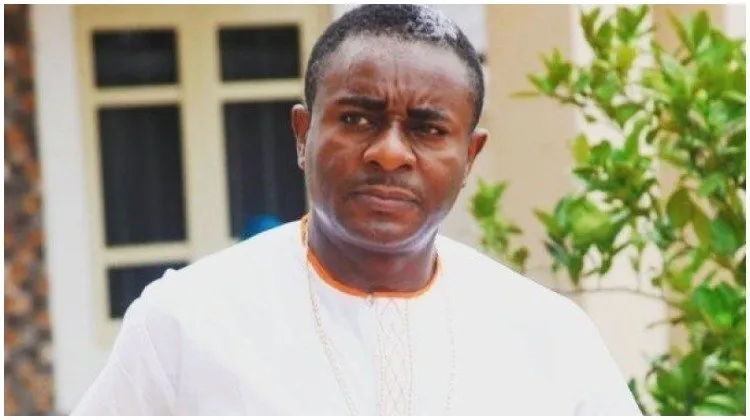
Politicians in the Crosshairs: Who’s Pulling the Strings?
The allegations against Igboho are just the tip of the iceberg. Security sources in Abuja and Ibadan have hinted at a far more sinister network—one that involves high-ranking politicians, traditional rulers, and even security personnel. According to multiple reports reviewed by this publication, some kidnapping gangs operate with impunity because they have powerful backers who shield them from prosecution.
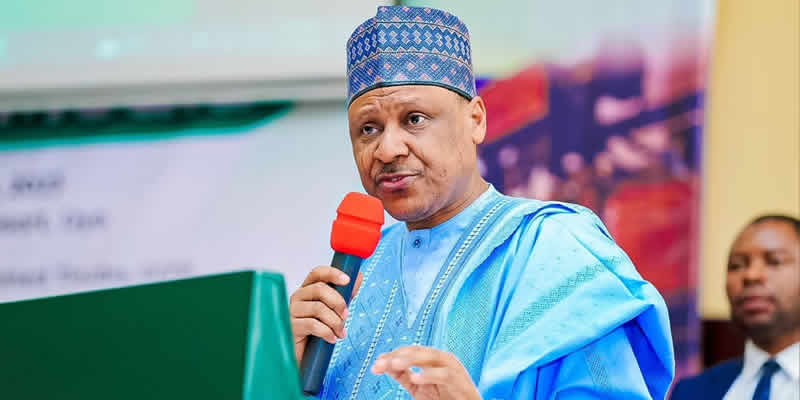
One such case involves a former federal lawmaker from Oyo State, who was named in a leaked intelligence report as a key financier of a kidnapping syndicate operating in Ibarapa. The report, which was never made public, alleged that the politician used proceeds from the kidnappings to fund his re-election campaign. When asked for comment, the lawmaker’s aide dismissed the allegations as “fabricated by political opponents.”
The web of alleged complicity extends beyond Oyo. In neighboring Osun State, a similar pattern has emerged, with kidnappers targeting motorists on the Ife-Ibadan expressway. Security experts warn that if unchecked, these syndicates could morph into full-blown terrorist organizations, with the ability to challenge the state’s authority.
“What we’re seeing is a collapse of the social contract,” said a retired army general. “When citizens can’t trust their leaders to protect them, they turn to self-help. And that’s when things get really dangerous.”
Can Nigeria Break the Cycle?
The road to dismantling Nigeria’s kidnapping industry is fraught with obstacles. For starters, the country’s security agencies are stretched thin, battling insurgents in the northeast, bandits in the northwest, and separatist agitators in the southeast. Adding kidnapping rings to the mix is like asking a firefighter to put out a wildfire while already battling a hurricane.
Yet, there are glimmers of hope. In Ekiti State, Governor Biodun Oyebanji has taken a zero-tolerance approach to kidnapping, deploying a mix of community policing and intelligence-driven operations. The result? A 70% drop in abductions within six months. “We realized that the old methods weren’t working,” Oyebanji told reporters. “So we went back to basics—listening to the community, empowering local vigilantes, and ensuring that no stone is left unturned.”
But Oyo State’s challenges are unique. Its porous borders with Kwara and Kogi states provide kidnappers with easy escape routes. Its dense forests offer perfect hideouts. And its political landscape is a minefield of competing interests, where alliances shift like desert sands. To make matters worse, some security personnel have been accused of turning a blind eye—or worse, colluding with the criminals—for a cut of the ransom money.
Experts say the solution must be multi-pronged:
- Intelligence-driven operations: Nigeria’s security agencies must move beyond reactive policing and invest in human intelligence, particularly in rural communities where kidnapping rings thrive.
- Economic empowerment: The government must create jobs and economic opportunities in vulnerable communities to reduce the allure of crime.
- Political accountability: Allegations of political sponsorship for kidnapping rings must be thoroughly investigated, with culprits facing the full weight of the law.
- Community engagement: Traditional rulers, religious leaders, and local vigilantes must be empowered to play a more active role in security efforts.
“Nigeria cannot afford to normalize kidnapping,” said a human rights activist. “If we don’t act now, we risk becoming a failed state where the rule of law is replaced by the law of the jungle.”

A Nation on the Edge
The clock is ticking. With each passing day, the kidnapping crisis in Oyo State inches closer to a breaking point. The question is no longer whether Nigeria’s security agencies can dismantle the syndicates—but whether they have the political will to do so. Atiku’s aide has thrown down the gauntlet. The DSS must now decide: Will they investigate Igboho’s claims, or will they continue to chase shadows while the real monsters lurk in the dark?
For the families of the kidnapped, for the students who dread their daily commute, and for the farmers who fear working their own land, the answer cannot come soon enough. Nigeria’s future hangs in the balance—and the time for action is now.
Copyright notice: Images and source material are credited to their respective owners/source (original source where available). If you are the copyright owner and want an image or content removed, please contact us at topix.news/contact-us; we will review and remove it promptly.

Topix News Desk is a digital editorial team focused on delivering clear, timely, and useful news coverage for readers worldwide. Our reporting highlights African news with global context, including politics, business, economy, technology, health, sports, entertainment, travel, and culture. We aim to publish accessible, well-structured, and informative articles that help readers understand the stories shaping Africa and the world.