
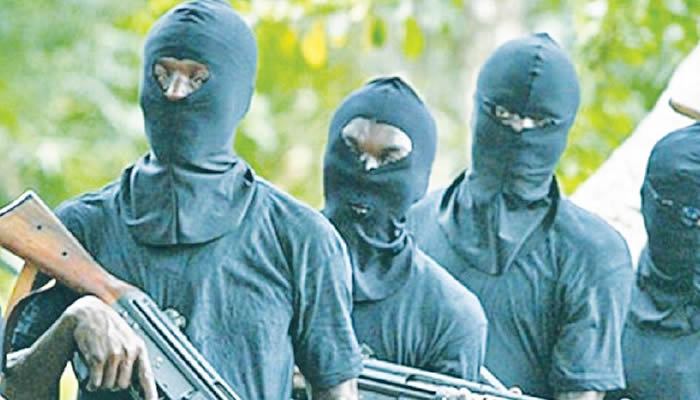
The first light of dawn had barely broken over the Sahel savanna when the quiet of a Nigerian Army base in Borno state shattered into chaos. What began as a routine pre-dawn patrol ended in a hail of gunfire, screams, and the acrid tang of gunpowder. By the time the dust settled, eight people lay dead—five soldiers and three civilian defense volunteers—while the attackers slipped back into the shadows from which they came. This was no isolated incident, but the latest in a relentless cycle of violence that has kept Nigeria’s northeast on edge for over a decade.
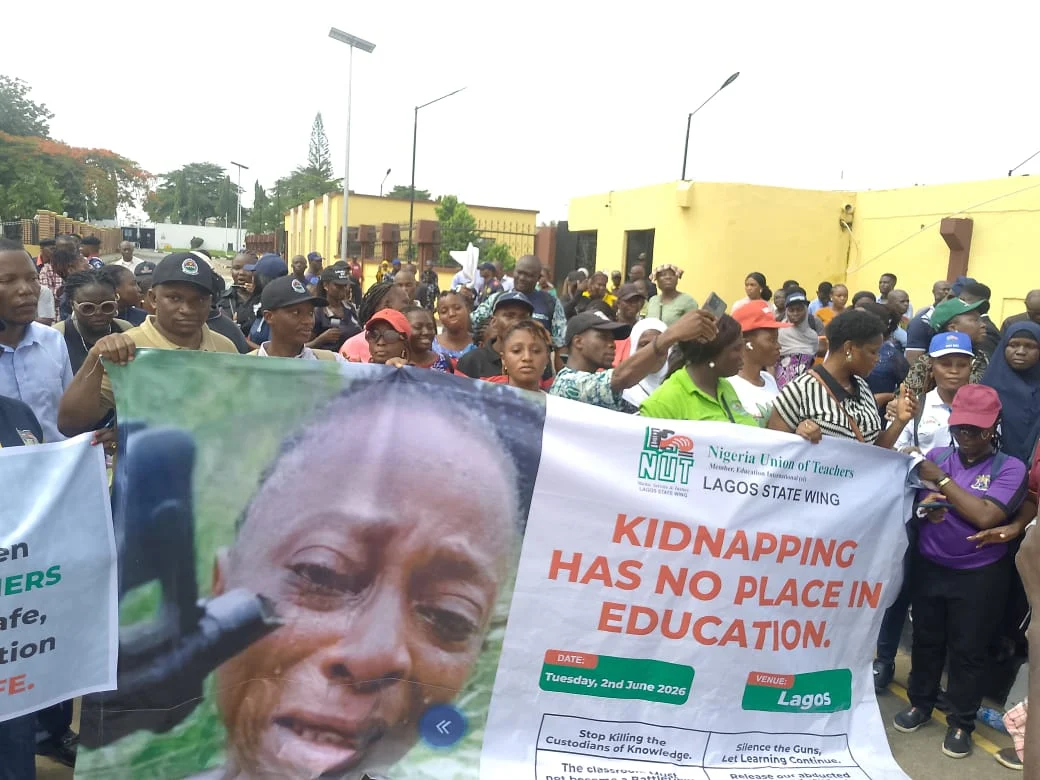
The attack unfolded in the early hours of Thursday, June 5, 2026, when armed assailants breached the perimeter of the base located near the town of Bama. Witnesses described the scene as one of controlled pandemonium: soldiers scrambling for cover, civilians scrambling to assist the wounded, and the distant crackle of small arms fire echoing across the flat terrain. Local defense groups, known as the Civilian Joint Task Force (CJTF), were among the first responders, only to find themselves caught in the crossfire. Three of their members were among the fatalities, their sacrifice underscoring the high cost of community-led security efforts in a region where the state’s reach remains fragile.
The attackers, widely believed to be affiliated with Boko Haram, employed a mix of guerrilla tactics and coordinated assaults. According to military sources, the assailants used improvised explosive devices (IEDs) to breach defensive perimeters before launching a sustained gun battle that lasted several hours. The Nigerian Army, in a statement released later that day, confirmed the casualties but did not provide details on the attackers’ casualties or the extent of property damage. Security analysts suggest the attack was not merely opportunistic but a calculated strike designed to demoralize both the military and the civilian population.
Borno’s Enduring Shadow of Terror
Borno state has long been the epicenter of Nigeria’s fight against insurgency. Since Boko Haram’s emergence in 2009, the region has borne the brunt of a conflict that has claimed tens of thousands of lives and displaced over two million people. The group’s ideology—rooted in a violent rejection of Western education and governance—has morphed over the years, splintering into factions with varying degrees of brutality. Yet, despite military offensives and regional cooperation, the insurgency persists, adapting to countermeasures with alarming resilience.

The latest attack is a stark reminder that the group’s operational capacity remains intact. In recent months, Boko Haram has intensified its campaign of violence, targeting not only military installations but also civilian communities, markets, and schools. The use of IEDs, suicide bombings, and ambushes has become a signature of their modus operandi, designed to inflict maximum psychological and physical damage. The attack on the Borno army base follows a pattern seen in other high-profile strikes, including the 2024 raid on a military convoy in Gwoza, which left 12 soldiers dead, and the 2025 bombing of a displaced persons camp in Rann, killing 50 civilians.
The civilian toll of this conflict cannot be overstated. In Borno alone, nearly 1.5 million people remain displaced, living in overcrowded camps with limited access to food, water, and healthcare. The United Nations estimates that over 350,000 children in the region suffer from acute malnutrition, a silent crisis exacerbated by the ongoing violence. The international community has repeatedly called for increased humanitarian aid and sustainable peacebuilding efforts, but the path to stability remains fraught with challenges.

Military Response and Regional Implications
In the aftermath of the attack, Nigeria’s military leadership convened an emergency meeting to assess the situation and formulate a response. General Ibrahim Attahiru, Chief of Army Staff, issued a statement condemning the attack and reaffirming the military’s commitment to protecting civilians. “We will not be cowed by the actions of these criminals,” Attahiru declared. “Our operations will continue with renewed vigor, and we will pursue these terrorists wherever they hide.”

However, the military’s response faces significant hurdles. The vast, sparsely populated terrain of Borno and neighboring states provides ample cover for insurgents, while porous borders with Cameroon, Chad, and Niger allow for easy movement and resupply. Regional cooperation, though improved, remains inconsistent, with some countries prioritizing their own security concerns over collective action. The Multinational Joint Task Force (MNJTF), a regional military alliance comprising troops from Nigeria, Cameroon, Chad, Niger, and Benin, has made progress in degrading Boko Haram’s capabilities, but the group’s decentralized structure and ideological resilience make it a persistent threat.

The attack also raises questions about the effectiveness of Nigeria’s counterinsurgency strategy. Critics argue that the military’s heavy reliance on kinetic operations—large-scale offensives and airstrikes—has failed to address the root causes of the insurgency, including poverty, unemployment, and weak governance. Community leaders in Borno have long advocated for a more holistic approach, one that combines military pressure with economic development, education, and reconciliation efforts. “The military can win battles, but without addressing the grievances that fuel this conflict, the war will never end,” said a local elder from Maiduguri, speaking on condition of anonymity.
Humanitarian Crisis Deepens
The human cost of the Borno attack extends far beyond the immediate casualties. In the days following the assault, aid organizations reported a surge in displaced persons seeking shelter in already overstretched camps. The International Committee of the Red Cross (ICRC) warned that the attack could disrupt critical aid deliveries, further straining an already fragile humanitarian system. “Every attack like this pushes us further away from our goal of providing sustainable support to those in need,” said an ICRC spokesperson.
The Nigerian government has pledged to step up security measures, including the deployment of additional troops and the establishment of new forward operating bases. However, the logistical challenges of operating in such a vast and inhospitable region cannot be underestimated. The military’s ability to protect civilians is further complicated by the presence of other armed groups, including the Islamic State’s West Africa Province (ISWAP), a splinter faction of Boko Haram that has gained prominence in recent years. ISWAP’s tactics—characterized by targeted assassinations, kidnappings, and the use of drones—have added a new layer of complexity to the conflict.
The humanitarian crisis is not confined to Borno. Across the Lake Chad Basin, which includes parts of Nigeria, Cameroon, Chad, and Niger, over 11 million people are in need of urgent assistance. The United Nations Office for the Coordination of Humanitarian Affairs (OCHA) estimates that $1.1 billion is required to address the most critical needs, but funding gaps persist. “We are at a critical juncture,” said a senior OCHA official. “Without sustained support, the situation will only deteriorate further.”
What Lies Ahead for Nigeria’s Northeast
As Nigeria grapples with the fallout from the Borno attack, the question on everyone’s mind is: what comes next? The military has vowed to intensify its operations, but history suggests that a purely military solution is unlikely to yield lasting peace. The government’s National Counter-Terrorism Strategy, launched in 2023, emphasizes a multi-pronged approach, including deradicalization programs, community engagement, and economic empowerment. However, implementation has been slow, and progress uneven.
For the people of Borno, the road to recovery is long and uncertain. The attack has left families shattered, livelihoods destroyed, and trust in institutions eroded. Yet, amid the despair, there are glimmers of resilience. Local initiatives, such as women-led peacebuilding groups and youth vocational training programs, are slowly gaining traction. These efforts, though small, offer a beacon of hope in a region that has known too much darkness.
The international community also has a role to play. Western governments, including the United States and the United Kingdom, have provided military and logistical support to Nigeria’s counterinsurgency efforts. However, there is a growing recognition that more must be done to address the underlying drivers of the conflict. Diplomats and analysts argue that a comprehensive peace process—one that includes disarmament, reintegration, and reconciliation—is essential to breaking the cycle of violence.
As the sun sets over Borno, the shadows lengthen, and the people of the region are left to wonder: when will peace finally come? For now, the only certainty is that the fight against terror is far from over. But in the face of such adversity, the spirit of resilience endures—a testament to the unyielding will of a people determined to reclaim their future.
Copyright notice: Images and source material are credited to their respective owners/source (original source where available). If you are the copyright owner and want an image or content removed, please contact us at topix.news/contact-us; we will review and remove it promptly.

Topix News Desk is a digital editorial team focused on delivering clear, timely, and useful news coverage for readers worldwide. Our reporting highlights African news with global context, including politics, business, economy, technology, health, sports, entertainment, travel, and culture. We aim to publish accessible, well-structured, and informative articles that help readers understand the stories shaping Africa and the world.