
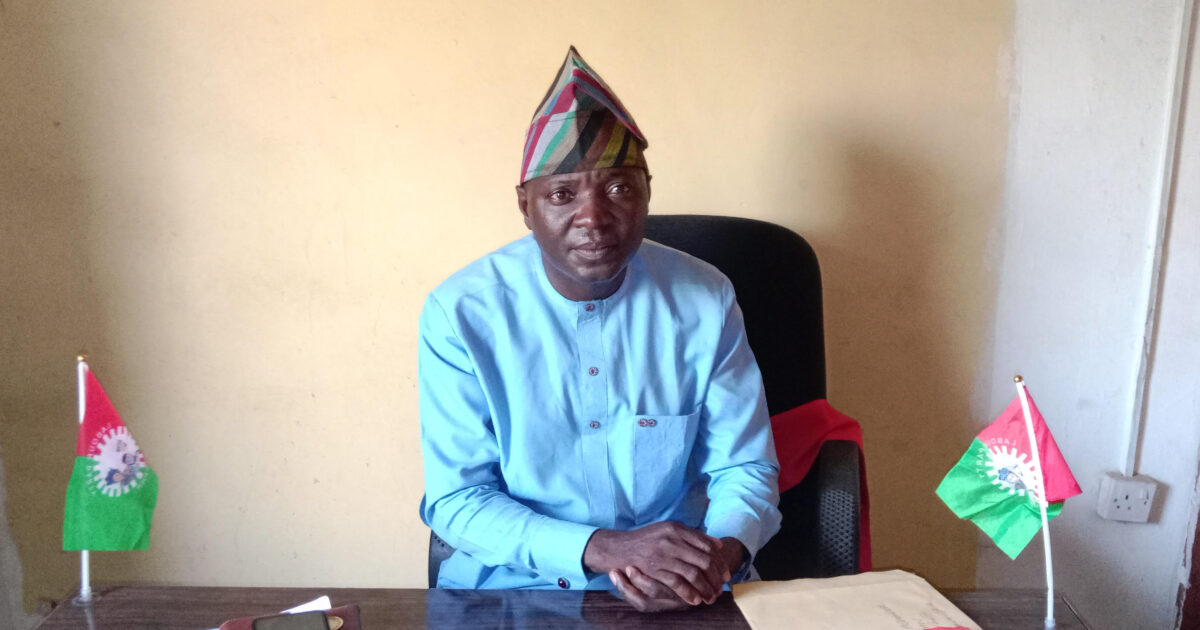
In the volatile landscape of Nigerian politics, where factionalism often erupts into violent confrontations, a fresh crisis has emerged in Nasarawa State. Alexander Ombugu, the embattled factional chairman of the Labour Party (LP) in the state, has publicly accused unnamed political actors of orchestrating a campaign of intimidation against him, including direct threats to his life. The allegations, which come in the wake of a bitterly contested party primary, have sent shockwaves through the region’s political circles and raised urgent questions about the safety of opposition leaders in Nigeria’s fractious democracy.
The crisis unfolded against the backdrop of a deeply divided LP, where internal schisms over leadership and ideological direction have paralyzed the party’s ability to present a united front ahead of the 2027 general elections. Ombugu’s supporters claim the threats are a direct response to his refusal to bow to pressure from rival factions seeking to consolidate control over the party’s Nasarawa chapter. Critics, however, argue that the allegations may be a calculated move to undermine his credibility and derail his political ambitions.

From Primaries to Peril: The Roots of the Conflict
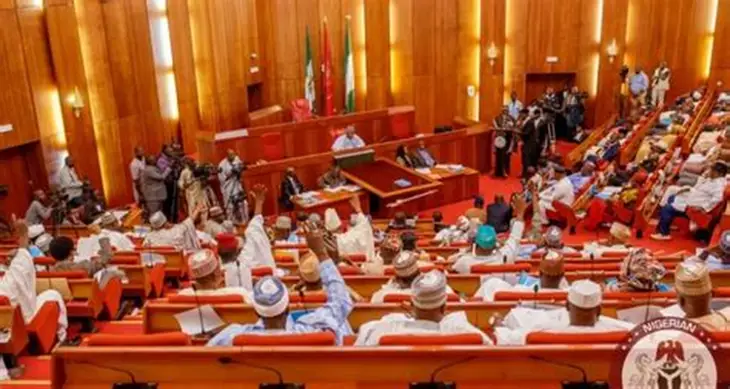
The simmering tensions within Nasarawa’s LP reached boiling point during the party’s recent primary elections, where multiple aspirants vied for the ticket to contest key positions in the state. Ombugu, a former civil servant turned politician, emerged as the factional leader backed by a coalition of grassroots supporters and local power brokers. His victory, however, was immediately contested by a rival group led by former allies who accused him of electoral malpractice and exclusionary tactics.
Sources close to the situation described a chaotic primary process marked by allegations of voter intimidation, ballot snatching, and the deployment of thugs by both sides. In one incident, a polling unit in Lafia, the state capital, was temporarily shut down after clashes broke out between LP loyalists and supporters of a rival candidate. The police, already stretched thin by rising insecurity across the region, struggled to restore order, leaving the primary results in limbo and deepening the rift within the party.
‘This is not just about who leads the LP in Nasarawa,’ said a political analyst who requested anonymity. ‘It’s about the future of democracy in a state where political violence has become almost routine. When party primaries are decided by force rather than ballots, it sends a dangerous signal to the entire country.’
Life on the Edge: Ombugu’s Fight for Survival
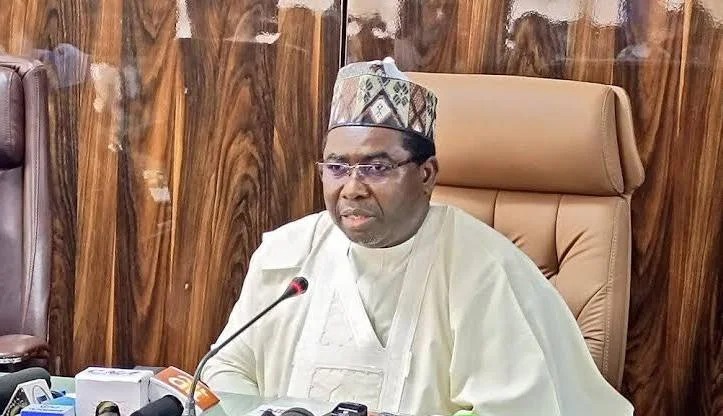
In a dramatic press conference held in Lafia, Ombugu recounted a series of incidents he claims were designed to silence him. According to his account, unidentified individuals have followed him in broad daylight, made threatening phone calls, and even stationed armed men outside his residence. ‘I wake up every day not knowing if I will return home,’ Ombugu told reporters, his voice trembling with emotion. ‘These people want me dead because I refuse to be a puppet.’
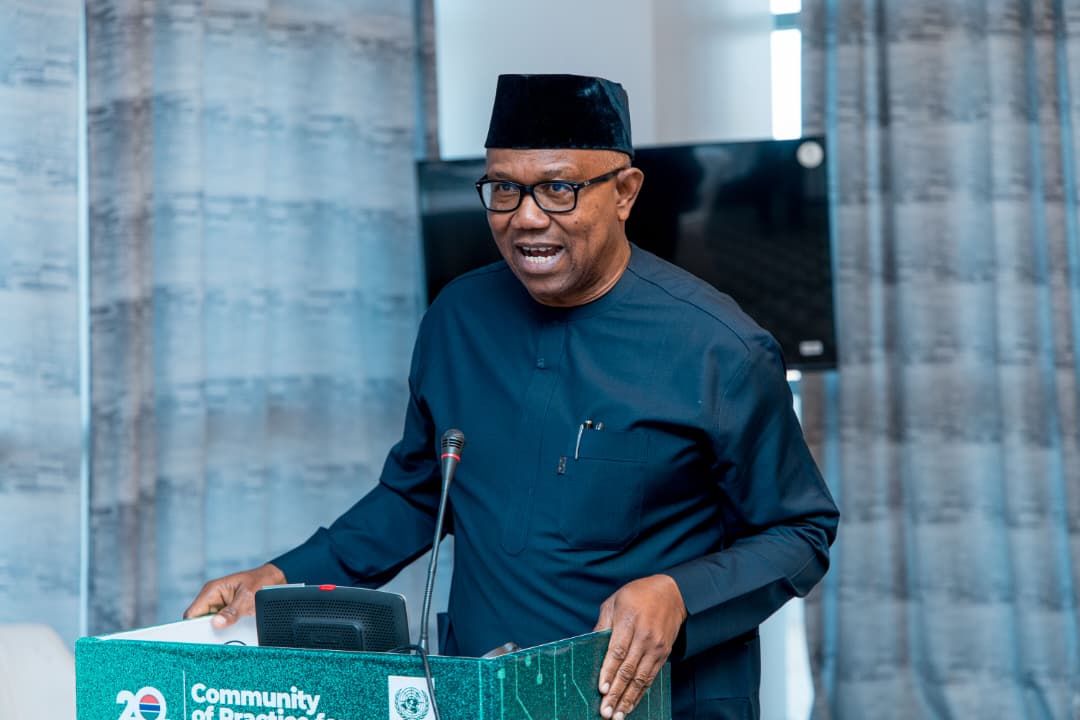
The police have yet to confirm the authenticity of Ombugu’s claims, but the state’s Commissioner of Police, Mohammed Aliyu, acknowledged receiving a formal complaint and pledged to investigate. ‘We take all threats to life seriously,’ Aliyu stated. ‘Our officers have been instructed to provide adequate protection to Mr. Ombugu while we unravel the facts behind these allegations.’
However, human rights activists in Nasarawa remain skeptical. ‘Police protection is a temporary fix,’ said Fatima Ibrahim, a coordinator for the Civil Rights Initiative in Lafia. ‘What Nigeria needs is a systemic overhaul of its electoral processes to prevent such crises from recurring. Until then, politicians will continue to weaponize fear.’
The Wider Implications: Nigeria’s Democracy Under Strain
The Nasarawa LP crisis is not an isolated incident. Across Nigeria, opposition parties have increasingly become battlegrounds for internal power struggles, often spilling over into violence. In recent months, similar disputes have erupted in Rivers State, where the People’s Democratic Party (PDP) is locked in a bitter feud, and in Kano, where the All Progressives Congress (APC) faces a rebellion from aggrieved members.
Analysts warn that the unchecked factionalism within political parties poses a grave threat to Nigeria’s democratic stability. ‘When parties cannot resolve their internal conflicts peacefully, it undermines public trust in the entire electoral system,’ said Professor Adebayo Olukoshi, a political science expert at the University of Ibadan. ‘The government must intervene to ensure that these disputes are settled through legal and constitutional means, not through intimidation and violence.’
Ombugu’s case has also reignited debates about the role of security agencies in protecting political figures. Critics argue that the police, already criticized for their slow response to banditry and kidnapping across northern Nigeria, are ill-equipped to handle the complexities of political violence. ‘The police are stretched too thin,’ said a retired senior officer who prefers to remain unnamed. ‘They lack the intelligence and manpower to provide round-the-clock protection to every politician who claims to be under threat. This is a recipe for disaster.’
What’s Next for Nasarawa’s LP?
As the standoff in Nasarawa intensifies, the Labour Party faces a critical juncture. Will Ombugu’s faction be able to rally enough support to consolidate its position, or will the party fracture beyond repair? The answer may hinge on the outcome of an upcoming meeting of the party’s national leadership, where a decision on the Nasarawa chapter’s legitimacy is expected to be made.
Meanwhile, Ombugu has called for an independent investigation into the threats against him, demanding that the Inspector General of Police take direct oversight of the case. ‘I am not asking for special treatment,’ he said. ‘I am asking for justice. If the police cannot guarantee my safety, then who can?’
The crisis in Nasarawa also raises uncomfortable questions about the future of Nigeria’s opposition. In a political landscape dominated by the ruling APC and the main opposition PDP, smaller parties like the LP have struggled to gain traction. Yet, their survival is crucial for a healthy democracy. ‘Opposition parties are the lifeblood of any democratic system,’ said a political commentator. ‘When they are weakened by infighting and violence, it is the entire nation that suffers.’
Lessons from History: Can Nigeria Break the Cycle?
The history of Nigerian politics is littered with examples of political violence and factionalism. From the assassination of Chief M.K.O. Abiola in 1998 to the recurring clashes in the Niger Delta, the country has repeatedly paid a heavy price for its inability to resolve internal conflicts peacefully. The Nasarawa LP crisis is a stark reminder that these challenges are far from over.
For Ombugu, the stakes could not be higher. His survival may well determine the trajectory of his political career, but it also holds broader implications for the integrity of Nigeria’s electoral process. As the 2027 elections loom on the horizon, the need for reform has never been more urgent. Political parties must be held accountable for their internal processes, and security agencies must be equipped to protect those who dare to challenge the status quo.
‘Nigeria’s democracy is at a crossroads,’ said Ombugu. ‘We can either continue down this path of violence and intimidation, or we can choose a different route—one where ideas matter more than guns, and where the will of the people is respected above all else.’
For now, the world watches as Nasarawa’s political drama unfolds. Will Ombugu’s pleas for protection be heeded, or will the shadows of fear continue to loom over Nigeria’s opposition politics? One thing is certain: the outcome of this crisis will reverberate far beyond the borders of Nasarawa State, shaping the future of Nigeria’s democracy for years to come.
Copyright notice: Images and source material are credited to their respective owners/source (original source where available). If you are the copyright owner and want an image or content removed, please contact us at topix.news/contact-us; we will review and remove it promptly.

Topix News Desk is a digital editorial team focused on delivering clear, timely, and useful news coverage for readers worldwide. Our reporting highlights African news with global context, including politics, business, economy, technology, health, sports, entertainment, travel, and culture. We aim to publish accessible, well-structured, and informative articles that help readers understand the stories shaping Africa and the world.