
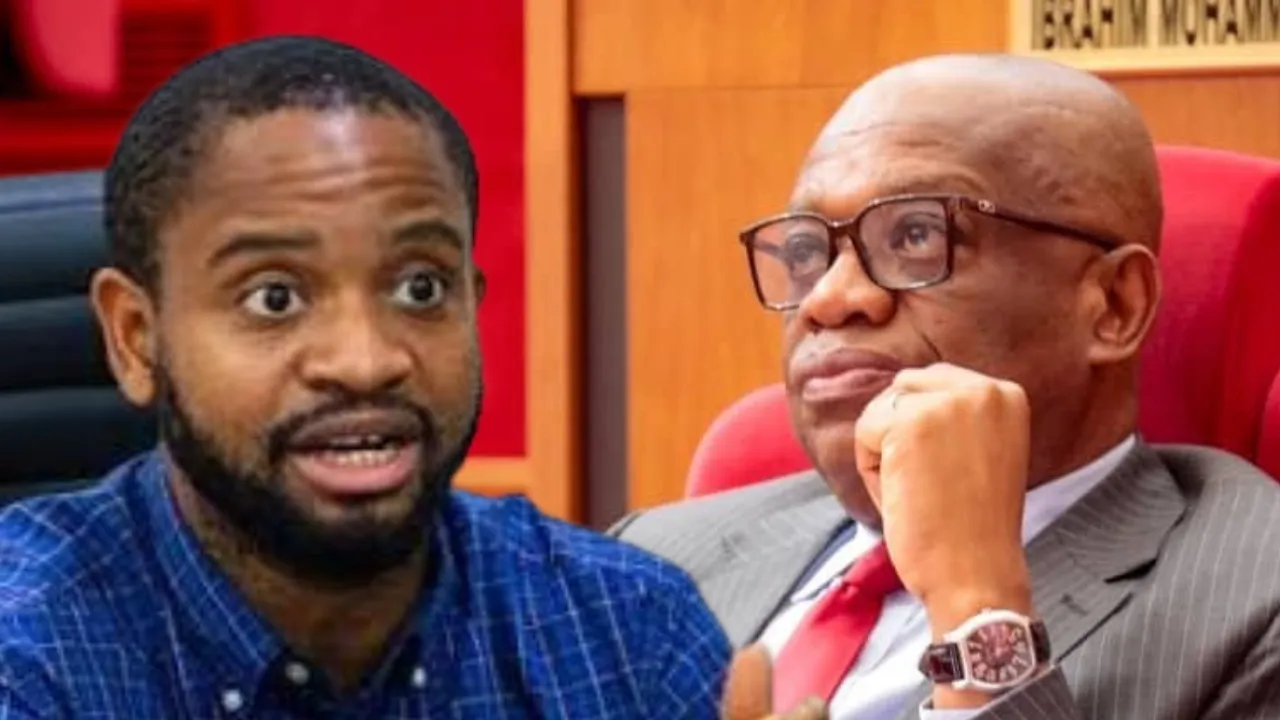
In a sharp rebuke to Nigeria’s energy sector governance, a Senate committee has demanded urgent clarification from the managing director of the State Energy Development Company (SEDC) over the inability to trace the expenditure of over N4 billion in public funds.
The committee’s directive, delivered during a high-stakes session in Abuja, marks a critical moment in Nigeria’s ongoing struggle to curb financial mismanagement within state-owned enterprises. Without a clear breakdown of how the funds were allocated, senators have given the SEDC a one-week ultimatum to return with comprehensive documentation—or face further legislative action.

Where Did the N4bn Go? Senators Demand Answers
The inquiry, which dominated Tuesday’s legislative proceedings, exposed glaring gaps in accountability within one of Nigeria’s most vital economic sectors. Committee chairman Senator Ibrahim Abdullahi, flanked by colleagues from both ruling and opposition parties, questioned why the SEDC could not provide a detailed account of the expenditure, despite multiple requests over the past fiscal year.
“This is not just about missing funds—it’s about the erosion of public trust,” Abdullahi stated, his voice cutting through the chamber’s tense silence. “When a state-owned entity cannot justify how billions are spent, it raises serious questions about transparency and the rule of law.” The senator’s remarks underscored a broader frustration among lawmakers over the lack of financial discipline in Nigeria’s energy sector, where mismanagement has long been a persistent issue.
The SEDC, a key player in Nigeria’s energy infrastructure, has faced repeated scrutiny over its financial practices. Critics argue that the company’s opacity not only undermines governance but also deters foreign investment—a critical need for Africa’s largest economy as it grapples with fluctuating oil revenues and infrastructure deficits.
A Pattern of Financial Opacity in Nigeria’s Energy Sector
This isn’t the first time Nigeria’s energy sector has been rocked by allegations of financial impropriety. Over the past decade, state-owned oil and gas companies have repeatedly been cited for poor financial reporting, with billions of naira disappearing into bureaucratic black holes. The latest SEDC case, however, has intensified calls for systemic reform.
Industry analysts point to a culture of weak oversight, where state-owned enterprises operate with minimal scrutiny until a scandal erupts. “Nigeria’s energy sector cannot thrive in the shadows,” said economic policy expert Dr. Amina Okoro. “If state institutions cannot account for public funds, how can we expect private investors to trust our systems?”
The Senate’s intervention comes at a time when Nigeria is under pressure to demonstrate fiscal responsibility to international creditors and development partners. With the country’s debt profile climbing and inflation eroding purchasing power, every naira must be accounted for—or risk further economic instability.
What’s at Stake for Nigeria’s Economy?
The unaccounted N4 billion is more than a line item in a budget—it represents a missed opportunity for Nigeria to invest in critical sectors like healthcare, education, and renewable energy. Instead, the funds appear to have evaporated into a labyrinth of unchecked expenditures, leaving citizens to question where their money is going.
For a nation where over 40% of the population lives below the poverty line, financial accountability is not a luxury—it’s a necessity. The Senate’s probe could set a precedent for how Nigeria handles financial mismanagement in state-owned entities, potentially paving the way for stricter oversight measures.
“This is about more than just numbers on a balance sheet,” said Lagos-based economist Chinedu Nwosu. “It’s about whether Nigeria can build a future where public funds are used for the public good, not squandered in the shadows.”
The SEDC’s Response—and the Road Ahead
While the SEDC has not publicly detailed its defense, insiders suggest the company may cite bureaucratic delays or administrative bottlenecks as reasons for the lack of documentation. However, senators have made it clear that excuses will not suffice. The managing director has been ordered to appear before the committee next Tuesday with a full audit trail of the N4 billion expenditure—or face potential sanctions.
The outcome of this inquiry could reshape Nigeria’s energy sector governance. If the SEDC fails to comply, the Senate may recommend stronger legislative measures, including the establishment of an independent financial oversight body for state-owned enterprises. Such a move would align Nigeria with global best practices in transparency and accountability.
Meanwhile, civil society groups are watching closely. Organizations like the Socio-Economic Rights and Accountability Project (SERAP) have long advocated for stronger anti-corruption measures in Nigeria’s public sector. “This case is a litmus test for Nigeria’s commitment to fighting corruption,” said SERAP’s executive director. “If the Senate fails to hold the SEDC accountable, it will send a dangerous message to corrupt officials across the country.”
Lessons for Africa’s Governance Challenges
Nigeria’s struggle with financial accountability is not unique in Africa. Across the continent, state-owned enterprises have been plagued by mismanagement, often fueled by weak institutions and political interference. The SEDC case, however, offers a critical lesson: transparency is not optional—it is the foundation of trust between governments and their people.
For other African nations grappling with similar challenges, Nigeria’s Senate probe could serve as a model for demanding accountability. “Africa’s development depends on good governance,” said Ghanaian economist Kwame Adjei. “When public funds are mismanaged, it’s the citizens who pay the price—in lost opportunities, in crumbling infrastructure, and in eroded trust.”
The Senate’s actions this week could either reinforce Nigeria’s commitment to reform or deepen the perception of systemic dysfunction. Either way, the stakes could not be higher—for Nigeria, for Africa, and for the millions who depend on responsible governance.
What Happens Next? A Timeline of Accountability
- June 10, 2026: Senate committee summons SEDC managing director to explain unaccounted N4 billion.
- June 17, 2026: Deadline for SEDC to submit comprehensive documentation to the committee.
- June 24, 2026: Senate reviews SEDC’s submission; potential sanctions if documentation remains inadequate.
- July 2026: Possible legislative reforms to strengthen oversight of state-owned enterprises.
The coming weeks will reveal whether Nigeria’s Senate can turn this crisis into an opportunity for reform—or if the cycle of opacity will continue unchecked.
Conclusion: The Fight for Financial Integrity in Africa
As the Senate’s probe into the SEDC’s missing funds unfolds, one thing is clear: Africa’s economic future hinges on financial integrity. Whether in Nigeria, Ghana, or beyond, the demand for transparency is growing louder—and governments that fail to meet this expectation risk losing the trust of their people.
The N4 billion that vanished from Nigeria’s ledgers is more than a financial discrepancy. It is a symbol of a deeper struggle—one where accountability must prevail over opacity, and where public funds serve the people, not the powerful. The Senate’s actions this week will determine whether Nigeria can rise to this challenge—or if the shadows of mismanagement will continue to obscure its path forward.
Copyright notice: Images and source material are credited to their respective owners/source (original source where available). If you are the copyright owner and want an image or content removed, please contact us at topix.news/contact-us; we will review and remove it promptly.

Topix News Desk is a digital editorial team focused on delivering clear, timely, and useful news coverage for readers worldwide. Our reporting highlights African news with global context, including politics, business, economy, technology, health, sports, entertainment, travel, and culture. We aim to publish accessible, well-structured, and informative articles that help readers understand the stories shaping Africa and the world.