
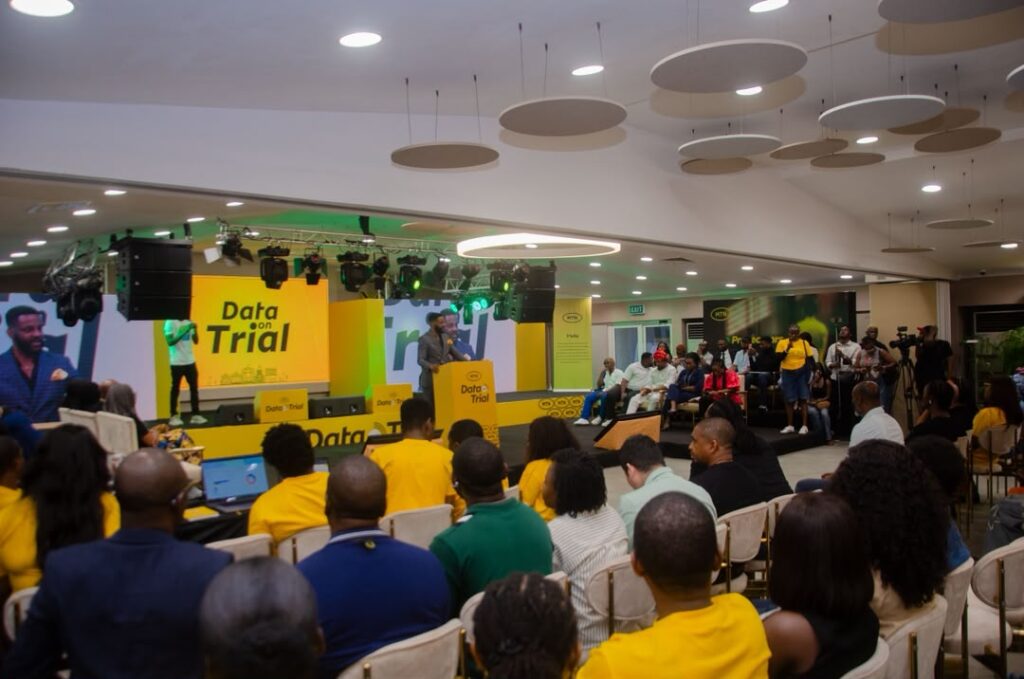
In an era where mobile connectivity defines economic participation, Nigeria’s telecom sector faces its most rigorous public scrutiny yet. The recent independent infrastructure audit of the country’s largest network has exposed glaring inconsistencies in billing practices and network reliability, sparking a national conversation about consumer rights and corporate responsibility. This isn’t just another regulatory check—it’s a wake-up call for an industry that powers Africa’s largest economy.
Why This Audit Matters More Than Just Numbers
The audit wasn’t commissioned by regulators or shareholders. It was demanded by Nigerian consumers, exhausted by years of opaque billing, sudden data drains, and patchy service in critical economic hubs. For the first time, an independent team scrutinized the network’s infrastructure—towers, cables, and data centers—under a microscope, comparing real-world performance against advertised promises. The results? A mixed bag of compliance and concern.
Some findings were reassuring. The audit confirmed that the network meets national standards for call quality and basic connectivity in major cities like Lagos and Abuja. But when researchers drilled deeper, discrepancies emerged. In rural areas, where mobile money and digital banking are lifelines, signal drops were alarmingly frequent. Consumers reported data bundles vanishing mid-stream, with no clear explanation—just automated deductions that left many questioning the integrity of the billing system.

What makes this audit different is its transparency. Unlike past reviews shrouded in corporate secrecy, this one invited public participation. Thousands of Nigerians submitted anonymized billing records and network performance logs, creating a dataset that regulators and the telecom giant had to address head-on. The process itself became a lesson in accountability, proving that when consumers demand answers, institutions can no longer hide behind jargon and fine print.
The Hidden Costs of Unreliable Networks
Beyond the frustration of dropped calls, the audit highlighted a far graver issue: the economic toll of subpar infrastructure. Nigeria’s digital economy is projected to contribute $88 billion to GDP by 2025, according to McKinsey. Yet, if businesses and individuals can’t rely on consistent connectivity, that growth is at risk. Small traders in Onitsha’s bustling markets, for example, depend on mobile transactions for daily sales. A single network outage can mean lost revenue—sometimes hundreds of thousands of naira in a single day.
The audit also uncovered disparities in how different customer segments are treated. Postpaid subscribers, often corporate clients, received more detailed billing statements and faster resolution for complaints. Prepaid users, who make up the majority of the network’s 40 million customers, were left navigating a maze of confusing tariffs and hidden charges. This isn’t just bad customer service—it’s a structural imbalance that undermines trust in the entire sector.
Industry analysts argue that these gaps aren’t unique to Nigeria. Across Africa, telecom giants have prioritized urban expansion over rural reliability, leaving millions disconnected from the digital economy. But Nigeria’s audit sets a precedent. By forcing a public reckoning, it has given regulators and competitors a blueprint for change—or risk falling behind in a market where consumer patience is wearing thin.
Transparency vs. Corporate Secrecy: The Battle for Consumer Trust
The telecom company at the center of the audit has defended its practices, citing investments in 5G rollout and fiber-optic expansion. Yet, the audit’s findings suggest that technical upgrades alone won’t fix systemic issues. Consumers want clarity. They want to know why their data bundles shrink without usage, why bills fluctuate wildly, and why complaints often go unanswered for weeks.
This demand for transparency isn’t just Nigerian. In Kenya, the Communications Authority has faced similar backlash over billing disputes, leading to stricter oversight. In South Africa, regulators have mandated quarterly reports on network performance, forcing companies to confront their shortcomings publicly. The lesson is clear: in today’s digital age, opacity is a liability. Companies that fail to address consumer concerns risk not just fines, but reputational damage that can take years to repair.
For the telecom giant in question, the audit presents an opportunity. By publishing detailed corrective action plans and engaging directly with affected customers, it could rebuild trust. But hesitation could prove costly. Already, social media is ablaze with calls for boycotts and regulatory intervention. The longer the company delays meaningful change, the harder it will be to regain the confidence of a public that has grown weary of empty promises.
What’s Next for Nigeria’s Telecom Sector?
The audit’s recommendations are a mixed bag of immediate fixes and long-term reforms. Short-term, the network must overhaul its billing systems to ensure real-time transparency. Customers should receive instant notifications for data usage and deductions, with clear explanations for any anomalies. Medium-term, the company is urged to invest in rural infrastructure, prioritizing areas where economic activity is stifled by poor connectivity. Long-term, the audit calls for stronger industry-wide standards on transparency and consumer protection, enforced by independent bodies with teeth.
Regulators are taking note. The Nigerian Communications Commission has hinted at stricter penalties for companies that fail to comply with consumer protection laws. Meanwhile, smaller operators are seizing the moment, positioning themselves as more consumer-friendly alternatives. This could reshape Nigeria’s telecom landscape, forcing even the largest players to compete on trust as much as coverage.
The audit also raises broader questions about Africa’s digital future. As countries across the continent race to digitize economies, the reliability of telecom infrastructure will determine who thrives and who falls behind. Nigeria’s experience serves as a cautionary tale—and a roadmap. For other African nations, the message is clear: invest in independent oversight, prioritize consumer rights, and build networks that serve everyone, not just the privileged few.
Africa’s Telecom Revolution: Can Trust Be Rebuilt?
This audit isn’t just about one company or one country. It’s a microcosm of a larger struggle across Africa: the fight to ensure that technological progress doesn’t come at the expense of the people it’s supposed to serve. Consumers are no longer willing to accept vague assurances or corporate spin. They want data they can trust, bills they can understand, and networks that work when they need them most.
The telecom giant now stands at a crossroads. It can double down on opacity, risking regulatory wrath and consumer backlash. Or it can embrace the audit’s findings as a catalyst for change, setting a new standard for transparency in Africa’s telecom sector. The choice will shape not just its own future, but the broader narrative of Africa’s digital transformation.
One thing is certain: the era of unchecked corporate power in Africa’s telecom industry is over. The question is whether companies will adapt—or be left behind in the dust of a continent that refuses to settle for less.
- Key Takeaways from the Audit:
- Urban connectivity meets standards, but rural areas lag behind.
- Billing discrepancies disproportionately affect prepaid customers.
- Transparency in billing and network performance is now a consumer demand, not an option.
- Regulators are tightening oversight, with stricter penalties looming.
- Smaller operators could gain ground by prioritizing consumer trust.
Nigeria’s telecom audit is more than a compliance exercise—it’s a turning point for an industry that powers the continent’s economy. The question now is whether companies will listen to the public’s demands or face the consequences of ignoring them.
Copyright notice: Images and source material are credited to their respective owners/source (original source where available). If you are the copyright owner and want an image or content removed, please contact us at topix.news/contact-us; we will review and remove it promptly.

Topix News Desk is a digital editorial team focused on delivering clear, timely, and useful news coverage for readers worldwide. Our reporting highlights African news with global context, including politics, business, economy, technology, health, sports, entertainment, travel, and culture. We aim to publish accessible, well-structured, and informative articles that help readers understand the stories shaping Africa and the world.