
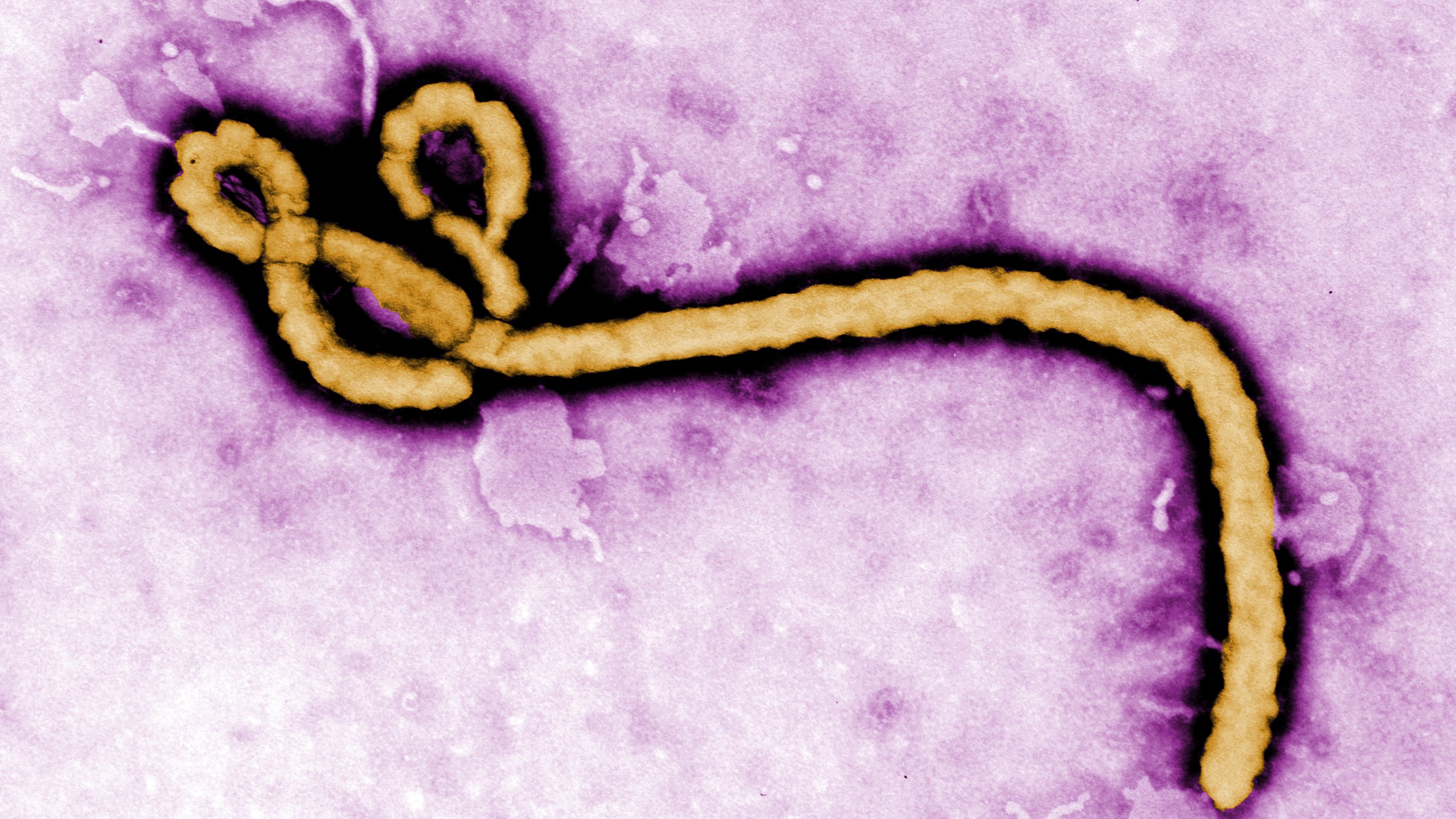
In a rare medical triumph, a US surgeon who contracted Ebola while working in the Democratic Republic of Congo has been discharged from Berlin’s Charité hospital after 17 days of intensive care. The recovery, confirmed by the hospital on Saturday, offers a glimmer of hope in a region where the virus has repeatedly flared up with devastating consequences.
Health officials in Germany confirmed the man’s discharge, though they declined to disclose further details about his condition or identity. The Charité hospital, one of Europe’s largest medical centers, stated that his recovery marks a significant milestone in the global fight against Ebola.
Ebola, a hemorrhagic fever with a historically high fatality rate, has plagued Central Africa for decades. The virus spreads through direct contact with bodily fluids, often in regions where healthcare infrastructure is fragile and mistrust of medical workers runs deep. This latest case underscores the persistent risks faced by healthcare professionals operating in high-risk zones.

The surgeon’s exposure likely occurred during his work in the DRC, where Ebola outbreaks have surged in recent years. The country has battled multiple epidemics since the virus was first identified in 1976, with the most recent flare-ups claiming hundreds of lives. International aid organizations, including Doctors Without Borders, have warned that underfunded healthcare systems and community resistance continue to hamper containment efforts.
Germany’s Charité hospital, renowned for its expertise in infectious diseases, has been at the forefront of treating Ebola patients evacuated from Africa. The facility’s success in this case highlights the critical role of specialized medical care in combating the virus. However, experts caution that such recoveries remain exceptions rather than the norm, given the virus’s unpredictable nature.
Public health officials emphasize that the surgeon’s recovery does not signal the end of Ebola’s threat. The virus’s ability to mutate and resurface in new forms keeps epidemiologists on high alert. In 2025, the DRC reported one of its deadliest outbreaks, with over 2,000 cases and a fatality rate exceeding 60%. The World Health Organization has repeatedly called for sustained funding and coordinated international responses to prevent future catastrophes.
Meanwhile, Nigeria’s health authorities have intensified surveillance at its borders, particularly in light of the surgeon’s case. While Nigeria has not reported a major Ebola outbreak since 2014, the country remains vigilant due to its porous borders and high population density. The Nigerian Centre for Disease Control has urged travelers from Ebola-affected regions to report any symptoms immediately.
In Africa, where Ebola has left deep scars, the news of the surgeon’s recovery has sparked cautious optimism. Communities that have lost loved ones to the virus now cling to stories of survival as a reminder that progress, though slow, is possible. Yet, the road to eradicating Ebola remains long and fraught with challenges.
Ebola’s Global Reach: A Persistent Threat
Ebola’s ability to cross borders has made it a global health concern. The virus, which originated in Central Africa, has since spread to Europe and the Americas through international travel and medical evacuations. The surgeon’s case is a stark reminder that even the most remote outbreaks can have far-reaching consequences.
In 2014, the world witnessed the deadliest Ebola epidemic in history, which claimed over 11,000 lives across West Africa. The outbreak exposed critical weaknesses in global health systems and prompted calls for stronger international cooperation. Since then, the WHO has worked to improve early detection and response strategies, but gaps persist.
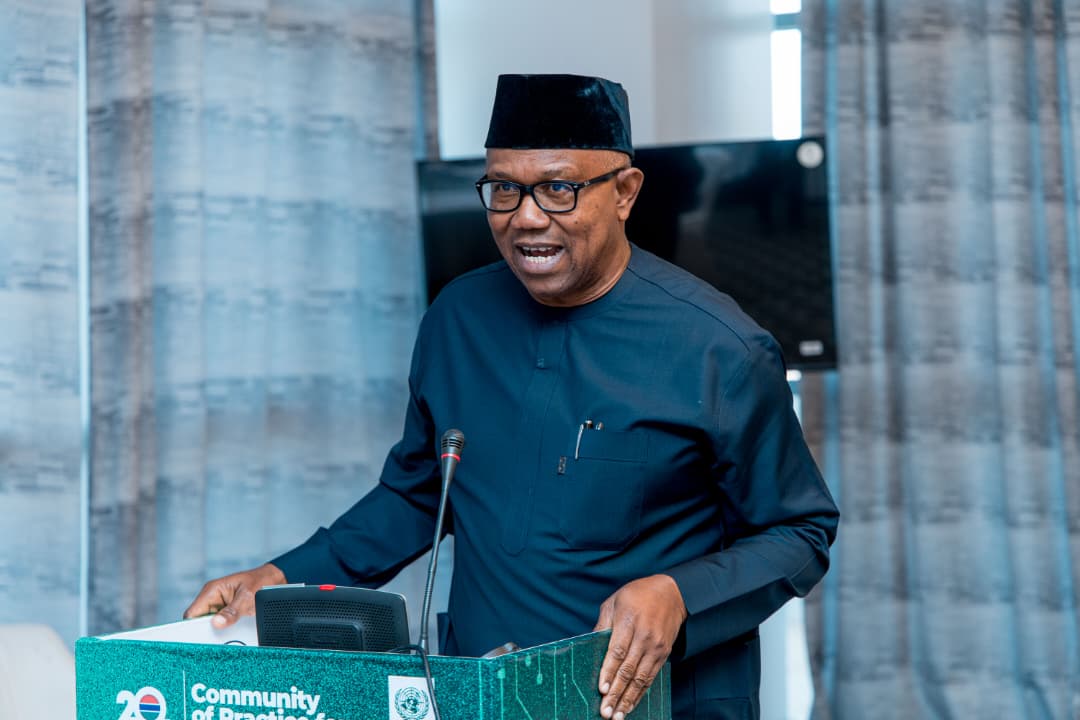
African nations, particularly those in the Congo Basin, have borne the brunt of Ebola’s devastation. The virus’s resurgence in the DRC has been fueled by armed conflict, displacement, and community mistrust. Health workers have been targeted, and medical facilities have been destroyed, further complicating containment efforts. The international community has pledged support, but funding gaps and logistical hurdles continue to hinder progress.

Germany’s role in treating Ebola patients reflects the country’s commitment to global health security. The Charité hospital’s success in this case is a testament to the importance of specialized medical care in managing infectious diseases. However, experts warn that such treatments are not a substitute for prevention and early intervention in outbreak zones.
Lessons from the Surgeon’s Recovery
The surgeon’s recovery offers several key takeaways for public health officials and aid organizations. First, it highlights the critical importance of rapid medical evacuation for healthcare workers exposed to high-risk pathogens. Second, it underscores the need for continued investment in specialized treatment centers capable of handling Ebola and other deadly viruses.
Public health experts also point to the role of advanced medical technologies in improving survival rates. Experimental treatments, such as monoclonal antibodies and antiviral drugs, have shown promise in clinical trials. However, access to these therapies remains limited in many African countries due to cost and logistical barriers.
The surgeon’s case also raises questions about the long-term risks faced by healthcare workers in conflict zones. Many doctors and nurses in the DRC operate under extreme conditions, with limited protective equipment and inadequate support. The international community must prioritize the safety and well-being of these frontline workers to prevent further tragedies.
Nigeria’s Preparedness in the Face of Ebola
Nigeria’s health authorities have taken proactive steps to prevent Ebola from gaining a foothold in the country. The Nigerian Centre for Disease Control (NCDC) has established rapid response teams and enhanced surveillance at major entry points, including airports and land borders. These measures are designed to detect and contain any potential outbreaks before they escalate.
The NCDC has also conducted training sessions for healthcare workers on Ebola recognition and response. Public awareness campaigns have been launched to educate communities about the virus’s symptoms and transmission routes. Despite these efforts, the risk of an outbreak remains a constant concern.
In 2014, Nigeria successfully contained an Ebola outbreak that originated from a Liberian traveler. The country’s swift response, led by the NCDC, prevented the virus from spreading widely. This experience has reinforced Nigeria’s reputation as a leader in public health preparedness in Africa. However, the threat of Ebola resurgence looms large, particularly in light of the surgeon’s recent recovery in Germany.
Health officials in Nigeria have urged the public to remain vigilant and report any suspicious symptoms immediately. They have also called for increased funding for research into Ebola treatments and vaccines. The global community must support these efforts to ensure that Africa is not left vulnerable to future outbreaks.
Looking Ahead: Can Ebola Be Eradicated?
The question of whether Ebola can be eradicated remains a subject of intense debate among epidemiologists. While progress has been made in developing vaccines and treatments, the virus’s ability to persist in animal reservoirs and mutate over time complicates eradication efforts. The recent recovery of the US surgeon offers a glimmer of hope, but the road to eliminating Ebola is long and uncertain.
Public health experts emphasize the need for a multi-pronged approach to tackling Ebola. This includes strengthening healthcare systems in affected regions, improving early detection and response mechanisms, and addressing the underlying social and economic factors that contribute to outbreaks. International cooperation and sustained funding are critical to achieving these goals.
The surgeon’s recovery is a reminder that progress is possible, even in the face of a deadly virus. However, the fight against Ebola is far from over. As the world continues to grapple with the virus’s resurgence, the lessons learned from this case must guide future efforts to protect lives and prevent further suffering.

For now, the global health community watches closely as the surgeon begins his recovery journey. His story serves as a testament to the resilience of those who risk their lives to save others, even in the most dangerous circumstances. As Nigeria and other African nations remain on high alert, the hope is that such recoveries will become more common, and Ebola’s grip on the continent will weaken over time.
Copyright notice: Images and source material are credited to their respective owners/source (original source where available). If you are the copyright owner and want an image or content removed, please contact us at topix.news/contact-us; we will review and remove it promptly.

Topix News Desk is a digital editorial team focused on delivering clear, timely, and useful news coverage for readers worldwide. Our reporting highlights African news with global context, including politics, business, economy, technology, health, sports, entertainment, travel, and culture. We aim to publish accessible, well-structured, and informative articles that help readers understand the stories shaping Africa and the world.