
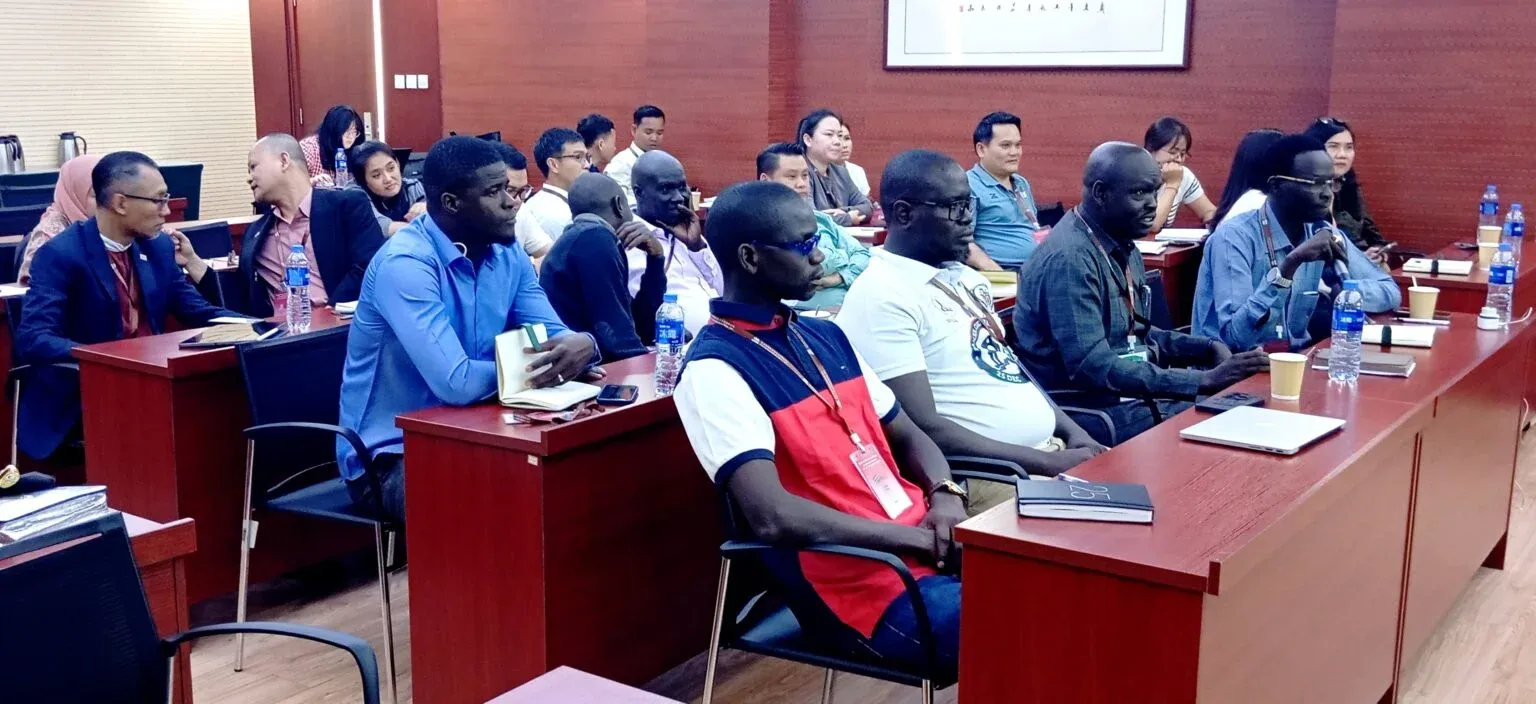
In the heart of Beijing, where ancient traditions meet modern ambition, a rare moment of unity unfolded this week as African diplomats gathered to confront a growing crisis: the rise of xenophobic violence targeting their citizens in foreign lands. The gathering, part of the ongoing Ethnic Policy and Practice Seminar, became a platform for voices that refuse to be silenced by fear or division.

The delegates, representing nations from Morocco to South Africa, did not mince words. “We must recognize that these borders we’ve inherited are not natural—they are lines drawn by history, not by humanity,” declared one speaker, his voice steady but laced with urgency. The statement resonated deeply, not just as a rebuke of recent attacks but as a call to reimagine what it means to be African in a world that often sees the continent through fractured lenses.
From Beijing to the Streets: The Human Cost of Xenophobia
Xenophobic violence is not a new phenomenon, but its recent surge in parts of Asia and Europe has sent shockwaves through African communities worldwide. In cities like Guangzhou, Johannesburg, and Paris, African migrants have reported increased harassment, physical assaults, and systemic discrimination. The timing of the Beijing seminar—held against a backdrop of escalating global tensions—was no coincidence. It was a deliberate act of defiance, a refusal to let fear dictate the narrative about African migration and identity.
The delegates did not shy away from the harsh realities. One diplomat from West Africa recounted stories of African students in China facing eviction from their homes simply because of their nationality. Another shared accounts of African traders in Europe being denied service in shops, their presence treated as an intrusion rather than a contribution. These are not isolated incidents; they are symptoms of a broader sickness in how the world perceives—and often misperceives—Africa and its people.
Artificial Borders, Real Suffering: The Psychological Toll
Beyond the physical violence, the psychological toll of xenophobia is devastating. For many African migrants, the constant fear of rejection or attack creates a life of instability. Children born abroad to African parents often struggle with identity crises, caught between two worlds that refuse to fully accept them. “We are told we do not belong, yet we contribute to the economies of these countries,” lamented a delegate from East Africa. “We build their cities, teach in their schools, and heal in their hospitals—yet we are treated as outsiders.”
The seminar in Beijing served as a rare space where these voices could be heard without interruption. For hours, delegates shared personal stories of resilience and resistance, painting a picture of a community that refuses to be defined by the prejudices of others. Their message was clear: xenophobia is not just an attack on individuals—it is an attack on the very idea of Africa as a united, vibrant continent.
The Role of Governments: Between Rhetoric and Action
While the Beijing gathering was a powerful display of solidarity, the question remains: what comes next? African governments have historically struggled to present a united front on issues of migration and diaspora rights. Some nations prioritize bilateral relations with host countries, often at the expense of their citizens abroad. Others have taken bold steps to protect their nationals, but these efforts are often fragmented and inconsistent.
A delegate from Southern Africa pointed out the irony: “We celebrate our diversity at home, yet when our people face discrimination abroad, we are slow to act. Where is the coordination? Where is the accountability?” The frustration was palpable. The seminar highlighted the need for a continental strategy—one that goes beyond statements of condemnation and includes tangible support for African migrants, from legal aid to public awareness campaigns.
The African Union, though often criticized for its slow pace, has taken steps in recent years to address the issue. In 2025, it launched the African Diaspora Engagement Strategy, aimed at strengthening ties with Africans living abroad and advocating for their rights. However, implementation remains a challenge, with many countries still grappling with how to balance sovereignty with the needs of their diaspora communities.
Global Solidarity: Can the World Do Better?
The Beijing seminar was not just about African voices—it was a call for global solidarity. The delegates made it clear that the fight against xenophobia is not theirs alone. Host countries, too, must confront the systemic biases that fuel such violence. In China, for example, the government has taken steps to address discrimination, including public campaigns promoting multiculturalism. Yet, critics argue that these efforts are often superficial, failing to address the root causes of prejudice.
Europe, too, has seen a troubling rise in anti-African sentiment, particularly in countries like Italy and France, where far-right movements have gained traction. The delegates urged host nations to move beyond performative gestures and implement real change—through education, policy reform, and community engagement. “We are not asking for charity,” said a delegate from North Africa. “We are asking for dignity. For the simple right to exist without fear.”
The seminar also highlighted the role of media in shaping perceptions. Negative stereotypes about Africa and Africans are perpetuated daily in global news cycles, often reducing complex issues to sensationalized headlines. The delegates called for a shift in narrative—one that celebrates African contributions rather than framing migration as a problem to be solved.
Lessons from History: Africa’s Resilience in the Face of Adversity
Africa has a long history of resilience in the face of adversity. From the transatlantic slave trade to colonialism, the continent has endured centuries of exploitation and oppression. Yet, through it all, African people have thrived, building communities, economies, and cultures that span the globe. The current wave of xenophobia is just another chapter in this story—a chapter that demands a response rooted in unity and strength.
The Beijing seminar was a reminder that Africa’s greatest asset is its people. Whether in the bustling markets of Lagos, the tech hubs of Nairobi, or the universities of Beijing, Africans are making their mark. The challenge now is to ensure that this mark is not erased by the shadows of prejudice.
The delegates left the seminar with a renewed sense of purpose. They did not pretend that the road ahead would be easy, but they were determined to keep pushing forward. As one delegate from Central Africa put it: “We are not just fighting for our rights—we are fighting for the soul of Africa. And that is a battle we cannot afford to lose.”
A United Front: The Path Forward for African Diplomacy
The Beijing gathering was more than a moment of solidarity—it was a blueprint for action. The delegates outlined a series of steps to address xenophobia, both at home and abroad:
- Strengthening continental coordination: African nations must work together to create a unified response to xenophobia, including shared legal frameworks and emergency support systems for victims.
- Empowering the diaspora: Governments should invest in programs that support African migrants, from language training to entrepreneurship initiatives, ensuring they have the tools to thrive in their host countries.
- Engaging host nations: African diplomats must continue to advocate for policy changes in countries where xenophobia is rampant, pushing for anti-discrimination laws and public awareness campaigns.
- Changing the narrative: Media outlets, both African and international, must commit to fair and accurate representation of African migrants, highlighting their contributions rather than their struggles.
The road ahead is long, but the message from Beijing was clear: Africa will not be divided. The delegates returned to their home countries with a renewed sense of purpose, ready to turn words into action. For the millions of Africans living abroad, this seminar was a lifeline—a reminder that they are not alone in their fight for dignity and respect.
The world watched as these leaders stood together, their voices rising in unison against the tide of hatred. It was a powerful moment, one that transcended borders and languages. In a time when division seems to dominate global discourse, the African delegates in Beijing offered a different vision—one of unity, resilience, and unshakable hope.
As the sun set over the Chinese capital, the delegates dispersed, their resolve stronger than ever. They carried with them not just the weight of their responsibilities, but the knowledge that their fight was far from over. Yet, in their hearts, they knew one thing for certain: Africa would endure. And so would its people.
Copyright notice: Images and source material are credited to their respective owners/source (original source where available). If you are the copyright owner and want an image or content removed, please contact us at topix.news/contact-us; we will review and remove it promptly.

Topix News Desk is a digital editorial team focused on delivering clear, timely, and useful news coverage for readers worldwide. Our reporting highlights African news with global context, including politics, business, economy, technology, health, sports, entertainment, travel, and culture. We aim to publish accessible, well-structured, and informative articles that help readers understand the stories shaping Africa and the world.